-

Is hornwort an algae, and can it survive if simply thrown into water?
Hornwort is not an algae in the traditional sense, but a perennial robust submerged herbaceous plant of the genus Myriophyllum in the family Haloragaceae. Although its name contains "algae", it is actually an aquatic plant and differs significantly from algae in biological classification. Algae are mainly a group of lower plants that can carry out photosynthesis and have no differentiation of roots, stems and leaves
-

What to do when green algae grows on hydroponic plants, and what causes worms to appear
While enjoying the convenience and beauty that hydroponics brings, many flower enthusiasts have also run into a headache-inducing problem: green algae growing in the hydroponic container. Green algae not only affect the appearance but may also have an adverse effect on plant growth. So, how should we solve this problem? The growth of green algae is often related to light
-
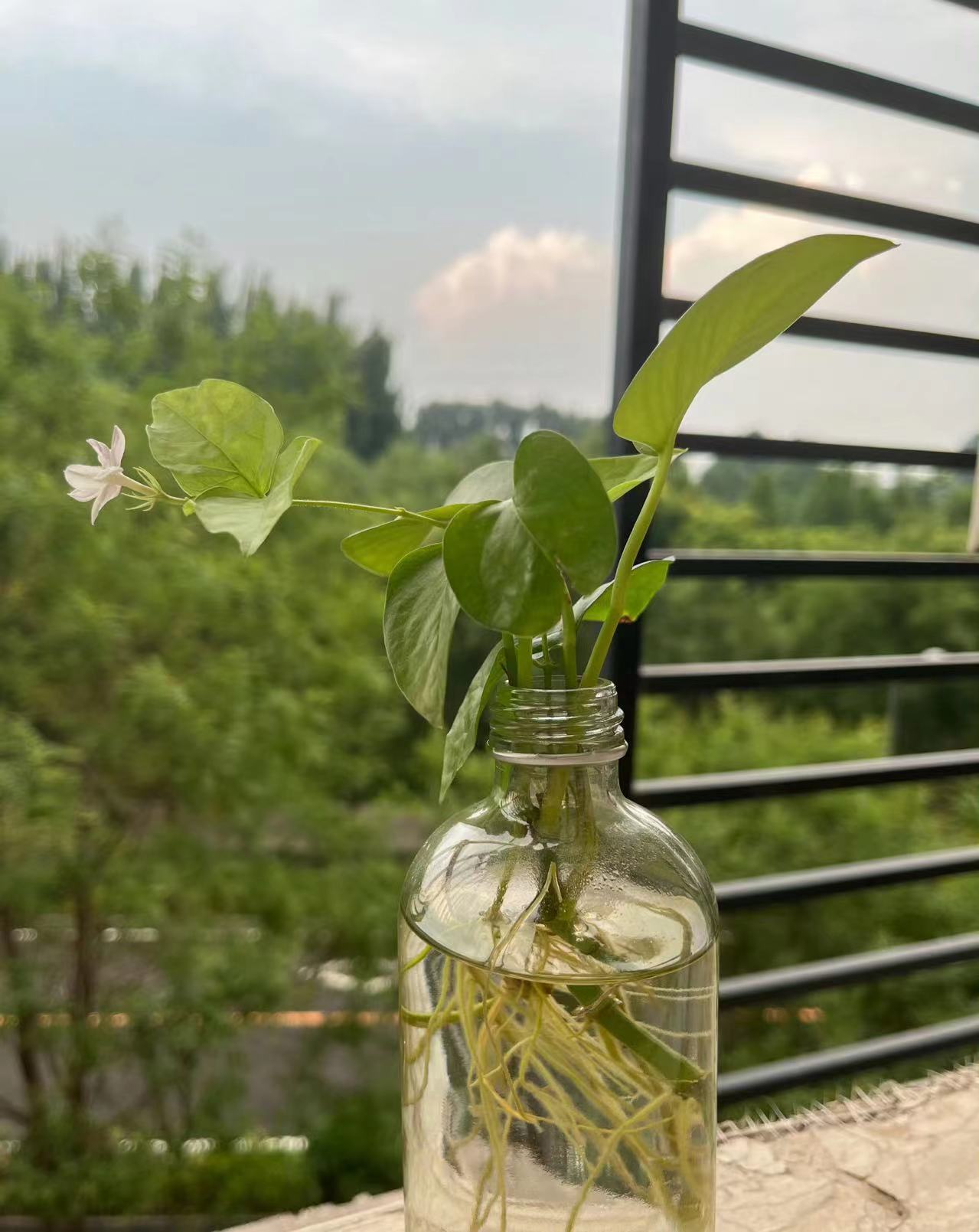
What should we do if green algae grow on hydroponic plants?
While enjoying the convenience and beauty brought by hydroponics, many flower lovers also encounter a headache problem - green algae grow in hydroponic
-

What are the seed selection methods and main values of Myriophyllum?
Myriophyllum, also called whorled water milfoil, is a perennial robust submerged herb in the family Haloragaceae and the genus Myriophyllum. In China, there are commonly 4-5 species of Myriophyllum, such as Myriophyllum humile, Myriophyllum spicatum, Myriophyllum verticillatum, and Myriophyllum triphyllum. Myriophyllum can remove
-
What Causes Algae Die-off in Ponds? Detailed Explanation of Causes and Prevention Methods
Friends in aquaculture all know that once algae die-off occurs in a culture pond, the fish and shrimp in the water are in danger. If it cannot be handled properly in time, it can easily cause rapid deterioration of water quality and mass death of fish and shrimp, causing great economic losses to farmers! Pond algae die-off
-
These signs appear in aquaculture ponds before algae die-off
The signs before algae die-off are that a layer of yellow floating or oil-film-like dead algae appears in the pond, the water viscosity increases, foam is abundant and large, and it does not dissipate easily for a long time; some foam even appears rather dirty earthy yellow. It generally occurs mostly in spring, and in the pond a large
-
How to Deal with Blue-Green Algae in Aquaculture Water? These Methods Are Very Practical
Anyone who has done pond aquaculture has more or less encountered the situation of excessive blue-green algae reproduction. A large bloom of blue-green algae not only leads to eutrophication of the water body, but also causes the water to become foul and eventually turn into a "dead pond." So what are the methods for treating blue-green algae in aquaculture water? 1
-
How do you grow hornwort so it grows best?
Hornwort belongs to the algae plants, grows for many years in the still water of small lakes, has a certain medicinal value, hornwort can be used as feed for pigs, fish and poultry, and also has certain harms, but hornwort is very difficult to cultivate, so let us take a look below at how hornwort
-
Where does nori come from? A look at the latest distribution of the main producing areas
Nori is the collective name for a variety of alternating algae in the red algae family Bangiaceae, including Porphyra haitanensis, Pyropia yezoensis, and Porphyra purpurea. It contains pigments such as chlorophyll, carotene, lutein, phycoerythrin, and phycocyanin. Differences in their proportions give different species of nori
-
What foods should kelp, a marine algae plant, not be eaten with, how long does it take to cook until tender, and what benefits does it have?
The hot summer always makes people lose their appetite. At this time, eating a plate of sour and spicy refreshing cold kelp salad instantly opens up your taste buds. Kelp is rich in nutritional value, and eating kelp regularly is good for the body. So what should kelp not be eaten with? How long does it take to
条件筛选