-
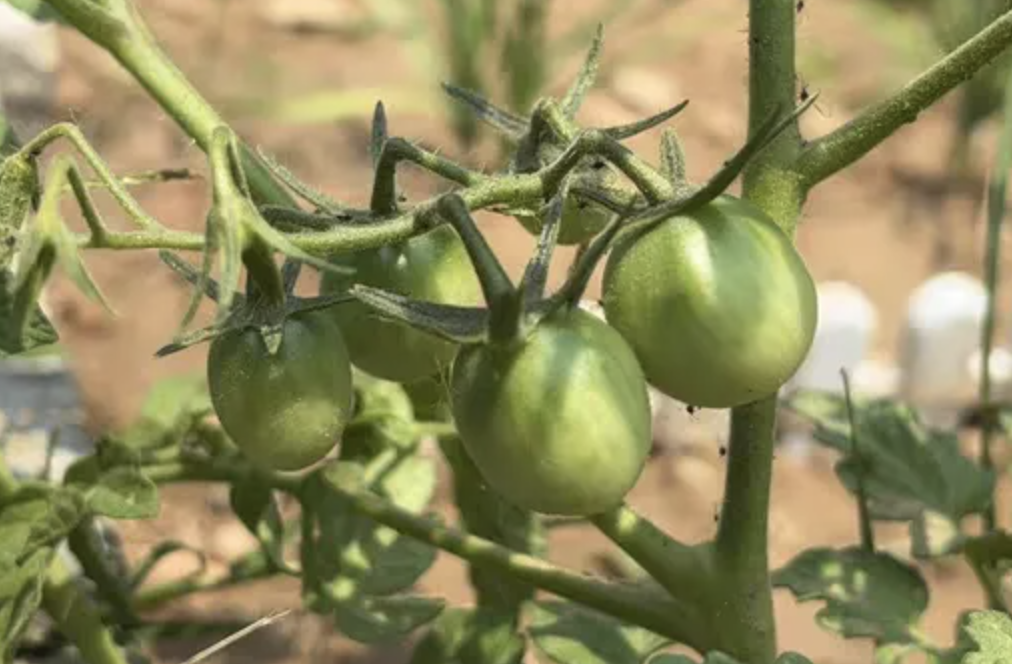
Why do tomato seedlings gradually wilt after being planted, and what can you do about it?
If your tomato seedlings look droopy with soft leaves and weak stems, don’t panic. By identifying the cause and applying the right remedy, you can bring them
-
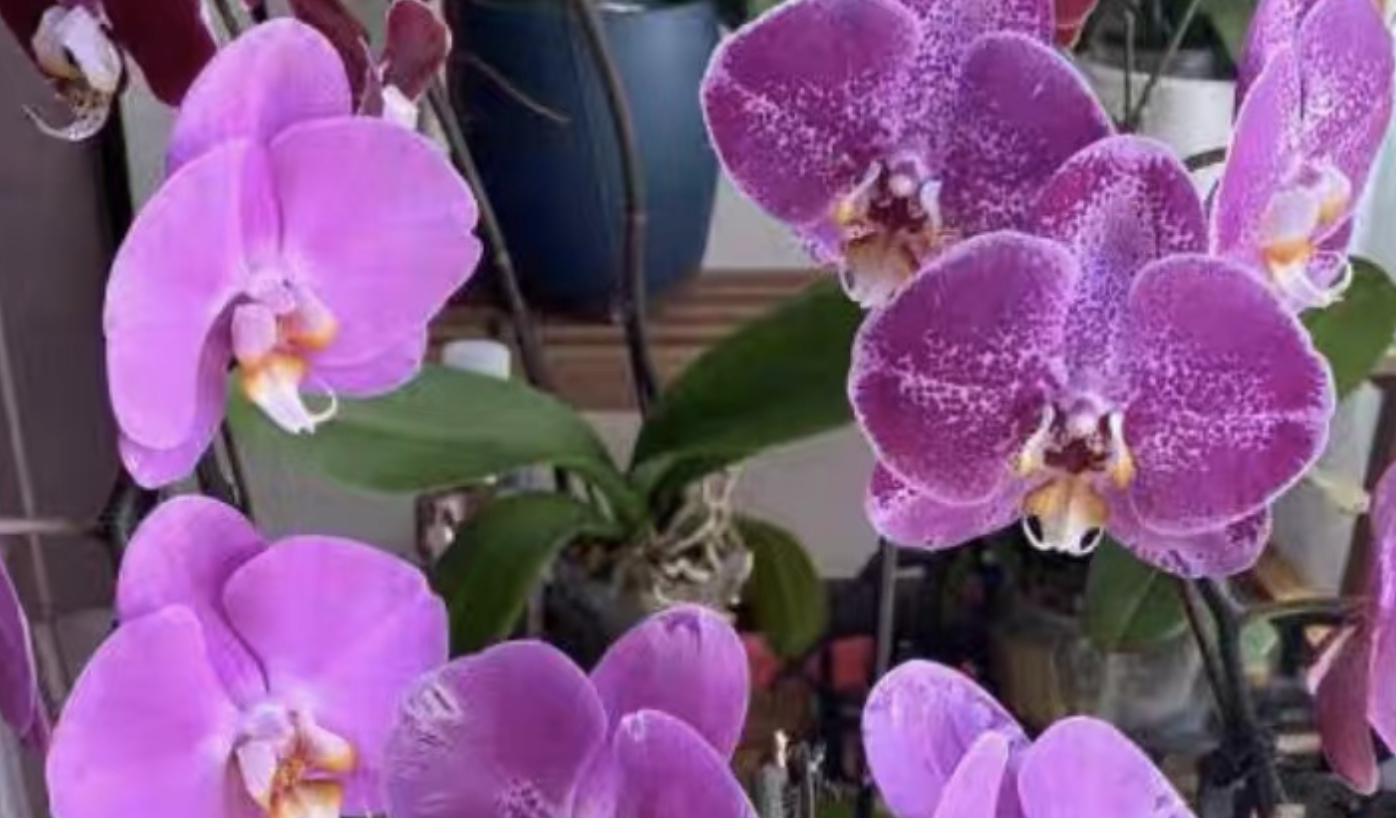
How should flowers be cared for after the beginning of autumn? Which plants require pruning to encourage blooming?
In Guangdong, even though autumn has officially begun, daytime temperatures can still reach around 32°C. For Phalaenopsis orchids, care should still follow
-
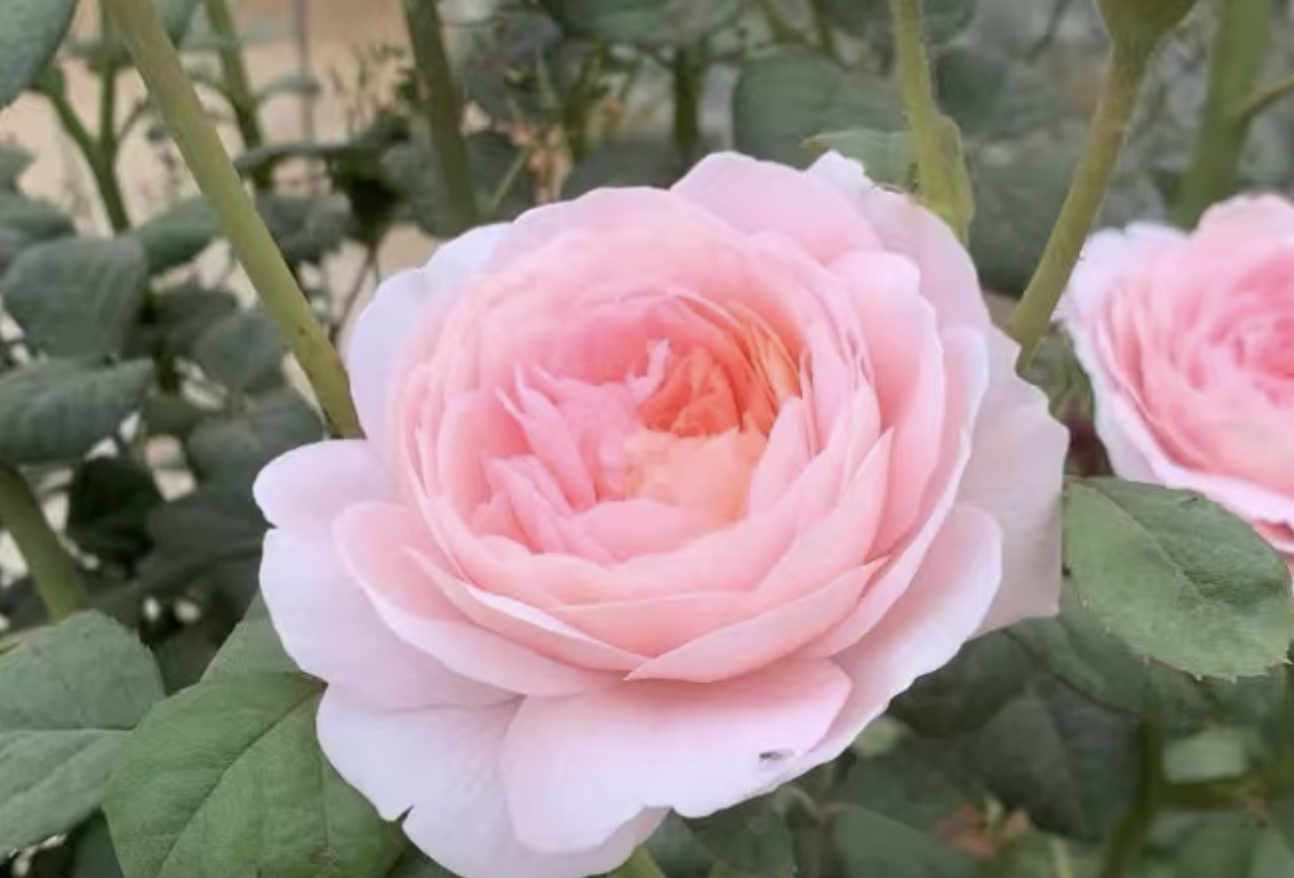
How should flowers be cared for after the beginning of autumn? Which plants require pruning of branches and leaves to encourage blooming?
As autumn arrives and temperatures drop compared to the heat of June and July, it’s the perfect time to give your plants a “haircut.” Proper pruning at this
-
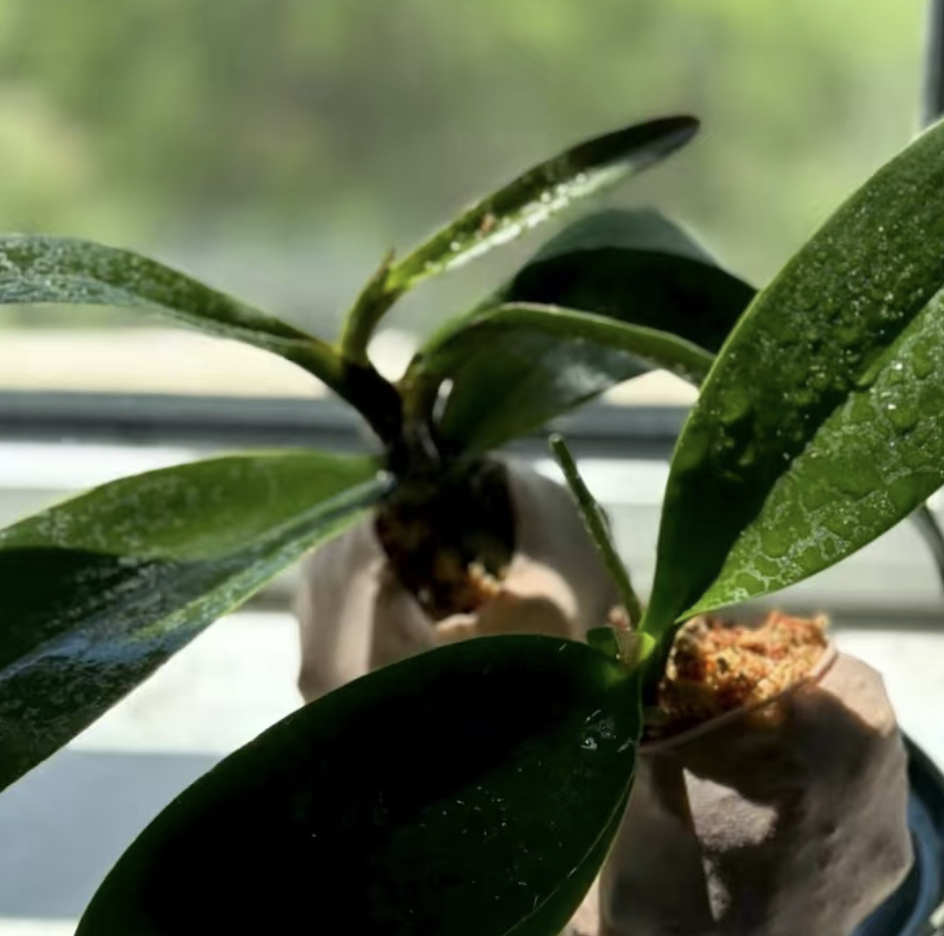
What are the best practices for growing Phalaenopsis orchids? And how should you care for them after trimming the flower spike?
Flowers bloom and fade, and caring for Phalaenopsis orchids after they finish flowering is especially important. For beginners, knowing how to manage the plant
-
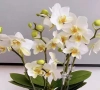
After upgrading the cup of young Phalaenopsis seedlings, learn step by step how to grow strong seedlings, identify roots, and care for them all in one go
When growing young Phalaenopsis seedlings, many flower enthusiasts always think "young seedlings don't need an urgent cup change," and end up stifling the seedlings! Just like this 1.7-inch tissue-cultured seedling at the base, after only 4 months of growing, the roots are already densely emerging and look about to drill out from the bottom of the cup - at this point, it must be upgraded in time, switched to a 2.5-inch cup, to give the young seedling enough
-
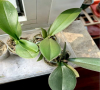
What experience is there in caring for Phalaenopsis orchids? How to care for and manage them after cutting the spike
Flowers bloom and fade, and post-bloom care of Phalaenopsis orchids becomes the top priority. For beginners, what care points should we master after cutting the spike? After cutting the spike of a Phalaenopsis orchid, you need to do a good job with light, watering, temperature, fertilizing and other steps. In detail, light is the plant's "source of energy," and what orchids like is that bright
-
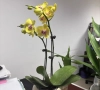
How to Protect the Buds of a Phalaenopsis Orchid After It Stops Blooming So It Blooms a Second Time
When a Phalaenopsis orchid is in bloom, it looks elegant and grand, but after the flowers fade, many growers do not know how to care for it. In fact, as long as you do these 4 steps well - pruning, light, temperature, and water and fertilizer - you can both protect healthy buds to encourage a second bloom and store up enough nutrients for the next flowering season, so that when it blooms again it has more flowers and more vivid colors! 1. Pruning spent flowers: first observe the condition of the flower stalk
-
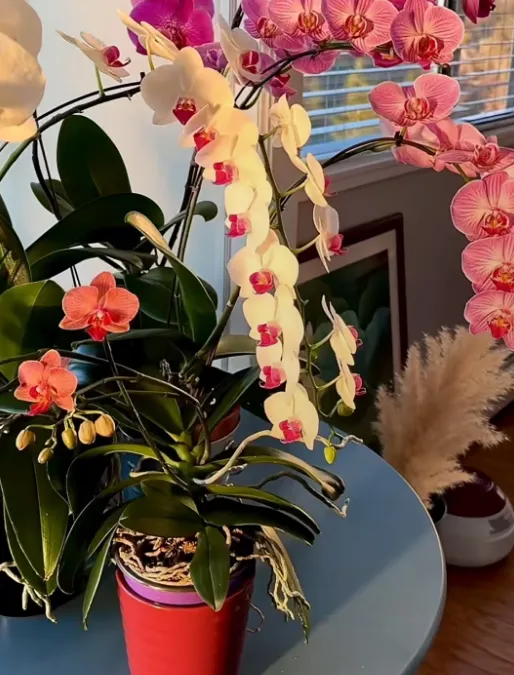
How to Protect the Buds of Phalaenopsis After the Flowers Fade
# 英文翻译 Phalaenopsis exudes elegance and grandeur when in bloom, yet many flower enthusiasts are unsure how to care for it after the flowers fade. In fact, by
-

What green plants should you place after whole-house custom cabinetry? These absorb formaldehyde fast, and even beginners can grow them
Friends who have just finished whole-house custom cabinetry are surely anxious: "There is a bit of a smell at home, what green plants can I place to absorb formaldehyde faster?" To be honest, green plants are not a "cure-all" for absorbing formaldehyde and cannot replace ventilation and professional formaldehyde removal, but choosing the right varieties for your home can both help purify the air and add a bit of life, making it more comfortable to live in. Today
-

Are aerial roots of Phalaenopsis still useful after being cut off?
Several plump white "little whiskers" have popped out from outside the Phalaenopsis pot. I looked it up and found out they are aerial roots. So can these things actually be cut? If they are accidentally broken off, are they still useful? The aerial roots of Phalaenopsis "can be cut, but it is not necessary to cut them, and you definitely should not cut them carelessly." You first need to understand what these aerial roots are for - Phalaenopsis in the wild originally grows on trees, not rooted in soil. These aerial roots are its "hands" and "nose": on one hand, they can grip the bark to anchor itself; on the other hand, they can directly absorb water and oxygen from the air, and even help with photosynthesis. So if the aerial roots are not damaged and are still green and plump, keeping them is only beneficial to the orchid, and there is no need to cut them at all.
条件筛选