-
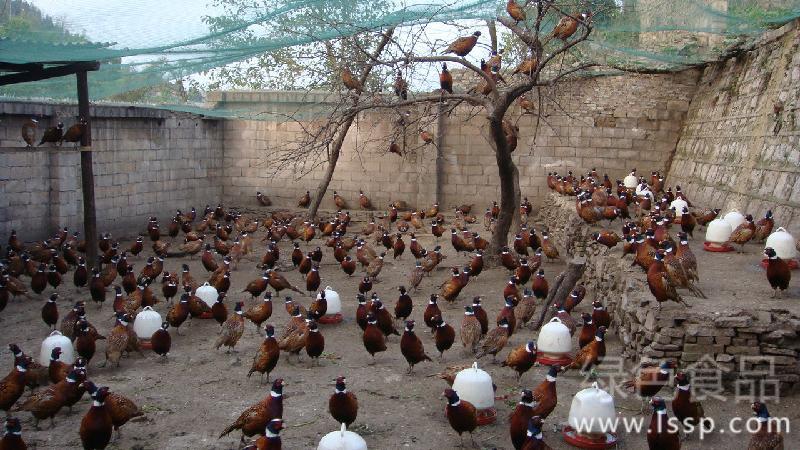
How to artificially fatten pheasants to advance their market time
How to artificially fatten pheasants to advance their market time
-

What to Do When a Ewe Has Insufficient Milk? Take Preventive Measures in Advance
Preventive Measures for Insufficient Milk in Ewes
-

What should you pay attention to when raising chickens under trees? These points need to be understood in advance
Points to note when raising chickens under trees
-

What are the precautions for hare farming? Learn them in advance to avoid detours
Precautions for hare farming
-

Several common misunderstandings about raising ducks in rural areas that duck farmers should avoid in advance
Several major misunderstandings about raising ducks in rural areas
-

What are the precautions for raising cattle? These key points should be understood in advance
What needs attention when raising cattle
-

Three things to avoid when feeding vegetables to rabbits; rabbit keepers need to know this in advance
First, avoid using vegetables that have been piled up and turned yellow. Feeding rabbits with vegetables that have been piled up and turned yellow will cause nitrite poisoning in rabbits, and in severe cases can lead to death. Therefore, when feeding rabbits with vegetables, always make sure they are fresh, and do not feed too much at a time; it is best to feed them together with other feed. Second, avoid cruciferous vegetables. Cruciferous vegetables contain sinigrin, which can produce some toxins that promote thyroid enlargement and severely damage the rabbit's liver and kidneys. Third, avoid vegetables damaged by pests. Feeding rabbits with vegetables infested by aphids, cabbage caterpillars, and the like
-
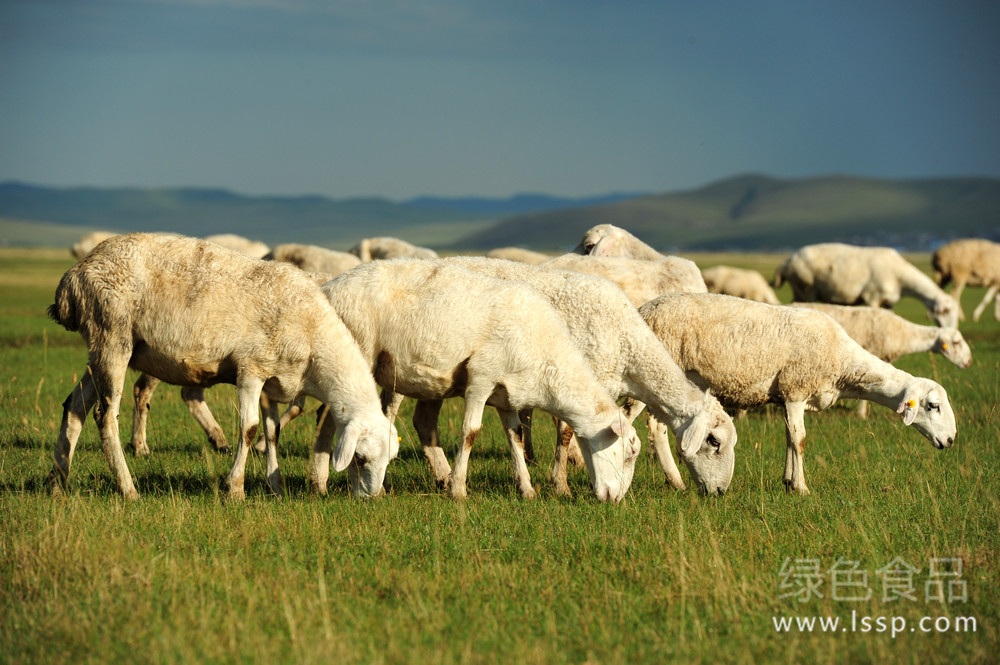
Sheep "craving green grass" disease occurs frequently in spring, sheep farmers must prevent it in advance
"Craving green grass" is also a disease; beware of sheep "craving green grass" disease in spring
-
What are the common diseases of geese? Goose farmers should know them in advance
1 Infectious diseases 1.1 Gosling plague is an acute septicemic infectious disease of goslings. Affected geese are depressed, have complete loss of appetite, severe diarrhea, and sometimes show neurological symptoms. This disease mainly affects goslings aged 4 to 20 days. In the early stage of illness, appetite decreases, the bird is listless, the neck is drawn in, the feathers are fluffy, it stays apart from the flock, and walking is difficult; then appetite is completely lost, severe diarrhea occurs, and thin droppings mixed with bubbles or watery yellow-white or yellow-green feces are passed; nasal secretions increase, the head is shaken, fluid is flung from the corners of the mouth, and the beak and webs become cyanotic. Prevention is mainly disinfection
-
Things to note when raising piglets in spring and summer, farmers should grasp them in advance
First, pay attention to temperature changes. In spring and summer, temperatures vary greatly, there is a lot of rain, and humidity is relatively high. Pigs prefer a dry environment, have little fat tissue, and piglets are prone to feeling cold. Therefore, the temperature inside the shed and the dry environment of the pen should be maintained. Second, pay attention to increasing protein feed. Especially for piglets that have undergone long-distance transport, due to stimulation such as wind-cold and the bumping of vehicles and boats, some piglets develop dysentery and diarrhea, reduced appetite, and weight loss. In addition to doing a good job of keeping the pen dry and warm, nutrition should also be supplemented in a timely manner.
条件筛选