-

How to prevent and control pests and diseases on desert rose? Ventilation and dryness are the key to prevention
The desert rose does not suffer from many pests and diseases, but when they strike the damage is severe. This article introduces the symptoms and pesticide treatment methods for scale insects, leaf-rolling caterpillars, soft rot and leaf spot, and teaches you to prevent them scientifically with a ventilated, dry environment and sensible watering and fertilising, so you can grow healthy, flowering plants.
-
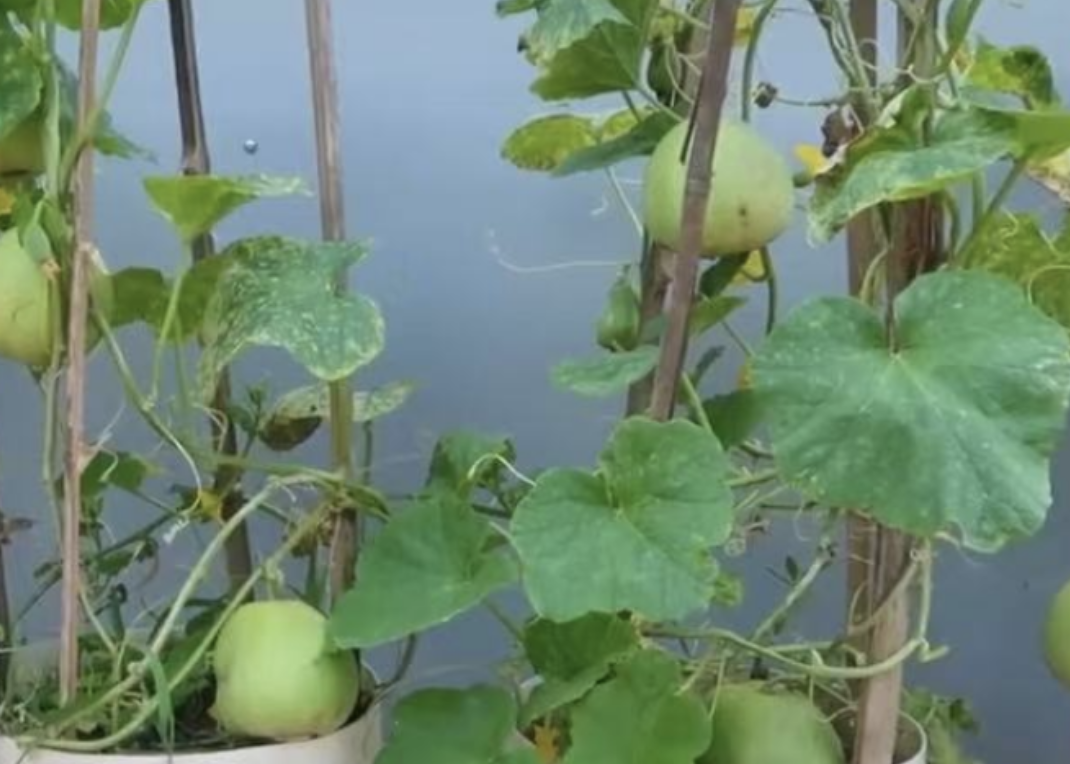
I casually threw melon seeds into the flowerpot, and a few months later, it was full of fruit
A netizen casually threw melon seeds into an old flowerpot on the balcony after eating melon in the summer. She didn’t think much of it, but a few months
-

Detailed steps for repotting and changing the soil of a Phalaenopsis orchid: what do you do when the roots are too long to fit into the pot?
"You can't repot a Phalaenopsis orchid well without a few tricks." This remark comes from a shop owner with years of experience, because having a professional repot it costs 25 yuan each time. Is this just the owner's smooth talk to make money, or is it really true if you try it? The editor can say responsibly that the answer is actually half and half.
-
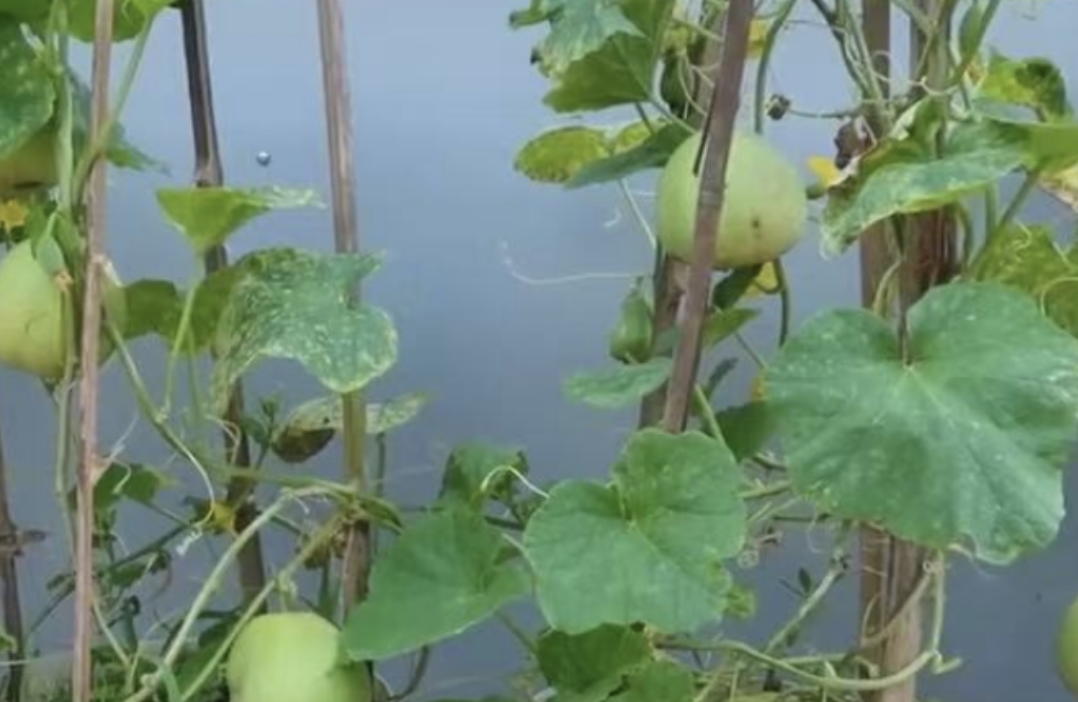
Casually threw melon seeds into the flower pot, and a few months later, it was full of fruit! Can't eat them all, there's just too many!
A netizen casually threw melon seeds into an old flower pot on their balcony after eating melon in the summer. They didn’t think much of it, but a few months
-
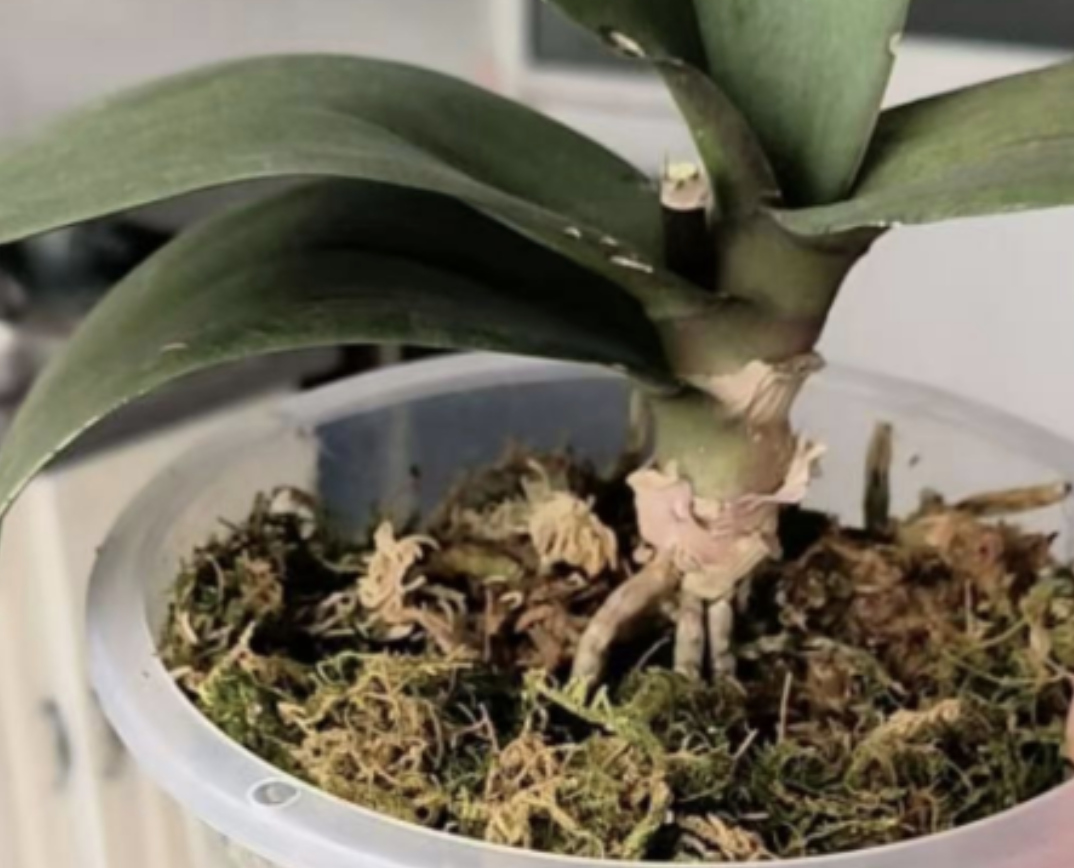
Is sphagnum moss the same as moss for growing orchids? Does it have any effect if moss grows inside the pot of an orchid?
"I’ve been carefully taking care of my orchid and just changed the sphagnum moss, but why has moss grown in just a few days? Is the moss going bad?" Sphagnum
-

What Happens If You Repot a Phalaenopsis Too Often? A Detailed Guide to the Best Repotting Time
As more people grow Phalaenopsis orchids, care problems have also increased, giving many people the false impression that Phalaenopsis orchids are hard to care for and sticking them with the label of "delicate plants." In fact, Phalaenopsis orchids are not hard to grow; people simply have not found the right care method. And the most common way they die is from excessive fussing, always repotting too frequently.
-
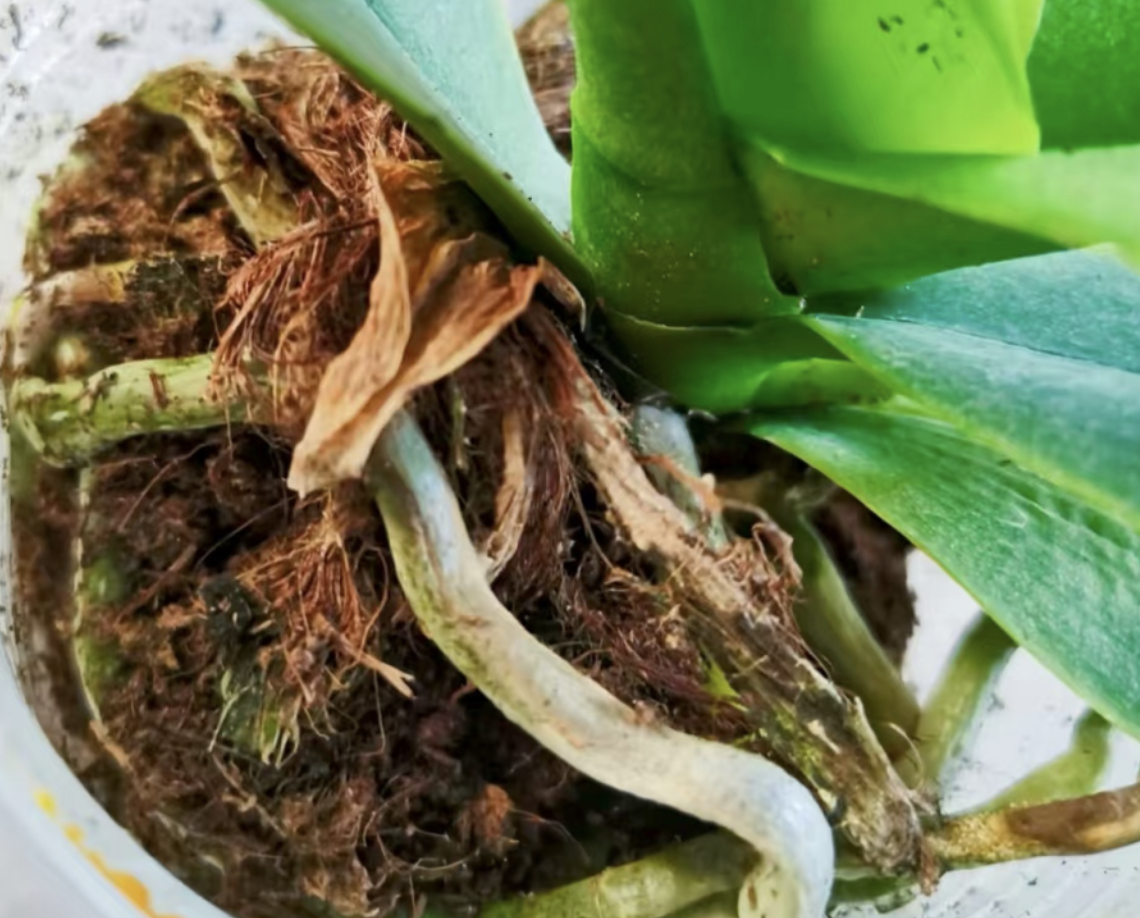
What are the techniques and methods for repotting Phalaenopsis orchids? What level of light intensity is suitable after repotting?
If you want to grow plants well, apart from daily watering, fertilizing, temperature control, and avoiding harsh sunlight, repotting is also an important step.
-

What is the golden ratio for Phalaenopsis potting mix? A detailed explanation of scientific mixing methods
Anyone who grows flowers and plants wants them to bloom abundantly, as this brings a sense of achievement to the grower and also brings the beautiful symbolism of flowers into the home. In recent years, the most purchased Phalaenopsis is the flower everyone most wants to see covered in blooms. How do you scientifically mix the "potting mix" in daily practice? For care, you want
-
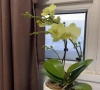
Why is there water vapor on the pot walls of a Phalaenopsis orchid, and is it a good sign?
Have you ever noticed, while growing a Phalaenopsis orchid, that the pot walls are covered in tiny water droplets, that they feel damp to the touch, or that the potting medium is even sticky? In fact, this is the orchid sending out a "distress" signal! Water vapor on the pot is mostly a sign of overwatering or an environment that is too humid, and if it is not dealt with in time, root rot comes easily. Today I will walk you through the fix step by step, so even beginners can handle it with ease.
-

What size pot for a large Phalaenopsis orchid, and how often to spray fertilizer?
Friends who grow Phalaenopsis orchids often run into this situation: the large plants at home keep growing sturdier and sturdier, but you don't know what size pot to repot them into; you want to spray a little fertilizer to supplement nutrients, but you can't quite pin down the spraying frequency. Generally speaking, a large Phalaenopsis orchid refers to a plant over 25 cm tall, with 4 - 5 mature leaves,
条件筛选