-
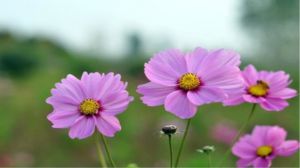
What is the difference between gesang flowers and cosmos flowers? A quick guide to tell them apart
Differences in the plants: gesang flowers are tough plants that love sunlight; cosmos plants are taller, reaching up to one to two meters at most, with spindle-shaped roots, and the plants are rather slender but not easy to break. Differences in the flowers: the former has solitary flowers, large in diameter, brilliantly colorful, and diverse in variety; the latter has fewer varieties compared with the former, with longer pedicels, and its flowering season is in summer.
-
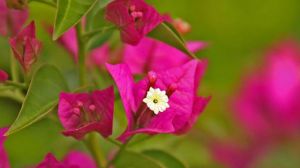
What is the difference between Bougainvillea glabra and Bougainvillea spectabilis
Leaf difference: the former has ovate or ovate-lanceolate leaves with acuminate or acute tips. The latter has ovate or elliptic leaves with relatively rounded, obtuse tips. Flower difference: the former is magenta or purple, being magenta or purple. The latter has inflorescences that are terminal or axillary, being dark red or pale purplish red.
-
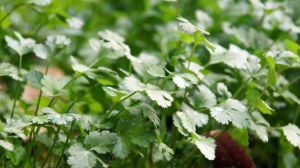
What Is the Difference Between Parsley and Cilantro? A Quick Guide to Telling Them Apart
Stem difference: Cilantro has cylindrical stems; parsley also has cylindrical stems. Leaf difference: Cilantro leaves are broadly ovate or fan-shaped and semi-divided; parsley leaves are pinnately compound and dark green. Flower difference: Cilantro flowers are white or slightly pale purple; parsley flowers are white or light green. Fruit difference: Cilantro fruit is spherical; parsley fruit is small, grayish brown or light brown.
-

What is the difference between Chinese rose and rugosa rose? A quick guide to tell them apart
The difference between Chinese rose and rugosa rose
-

What Is the Difference Between Glyphosate and Paraquat? A Detailed Comparison of the Two Herbicides
Glyphosate and paraquat have one major similarity and five major differences. The one major similarity: both glyphosate and paraquat are non-selective herbicidal herbicides and are highly effective against stubborn weeds. The first of the five differences: they kill weeds by different mechanisms. Glyphosate is a...
-
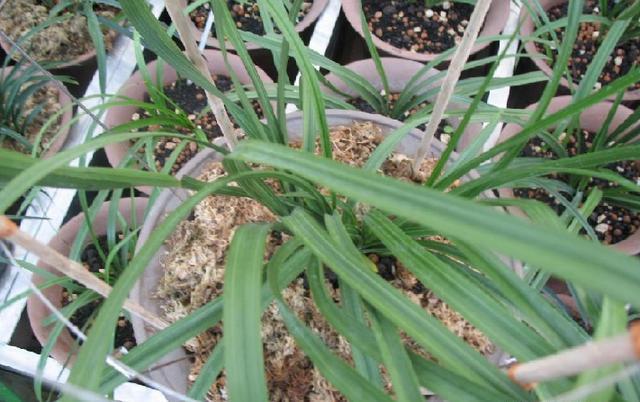
Orchid experts cleverly use temperature differences to get 3 new shoots a year; autumn shoots become large plants by winter
Growing orchids with temperature differences: Winter is the season with the most obvious day-night temperature difference. Orchid growers should seize the opportunity, cleverly use temperature differences to grow orchids well, and strive to grow orchids even better. In winter, outdoor temperatures in most parts of our country are generally below 10 degrees, and the vegetative...
-
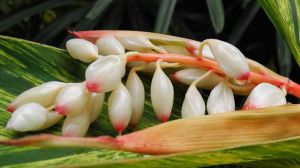
What is the difference between shell ginger and Amomum villosum? A quick guide to tell them apart
Leaves: the former has lanceolate leaves with a petiole about 1-1.5 cm long. The latter has lanceolate leaves in the middle and linear leaves at the top, with nearly no petiole. Flowers: the former has a panicle, white at the bottom and pink at the tip. The latter has a spike, with white petals and a yellow pointed tip in the center. Fruit: the former is ovoid, while the latter is elliptical.
-
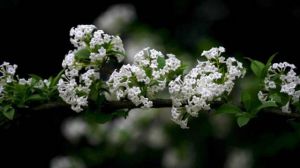
What is the difference between Viburnum farreri and lilac? A quick guide to tell them apart
Leaf difference: the former is papery, elliptical or rhombic-obovate, with triangular serrations. The latter is ovate to reniform, with a smooth surface and no serrations. Flower difference: the former is pink and turns white after opening, with 5 petals, while the latter is purple, with 4 petals.
-
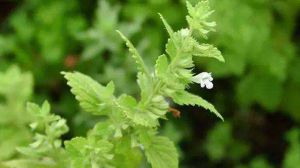
What is the difference between lemon balm and mint? A quick guide to telling them apart
Leaf differences: lemon balm leaves are ovate, with a blunt or acute tip and a rounded to nearly heart-shaped base, and they have relatively long soft hairs. Mint leaves are oblong-lanceolate, elliptic or ovate-lanceolate, and compared with lemon balm, their soft hairs are shorter. Flower differences: lemon balm has a creamy-white corolla, while mint has a pale purple one.
-
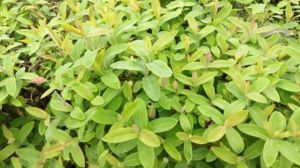
What is the difference between boxwood (Buxus bodinieri) and Chinese boxwood (Buxus sinica)?
Leaves: The former is thinly leathery, spoon-shaped, also obovate or narrowly ovate. The latter is leathery, oblong, broadly obovate, broadly elliptic or ovate-elliptic. Appearance: The former is a shrub, initially with short soft hairs that later fall off leaving it hairless. The latter has short soft hairs that do not fall off.
条件筛选