-
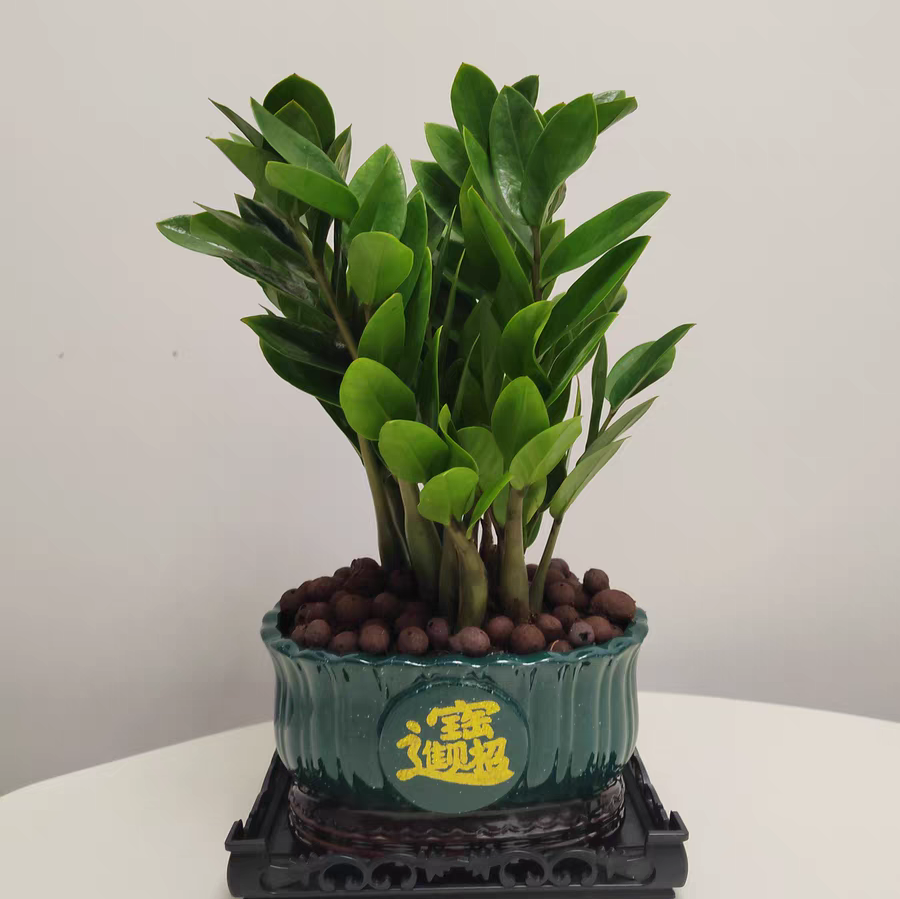
How to take good care of the Zamioculcas zamiifolia so that it can grow vigorously?
The Zamioculcas zamiifolia is an indoor green plant with high ornamental value. It has thick underground tubers. Its leaves are pinnate compound leaves, and
-
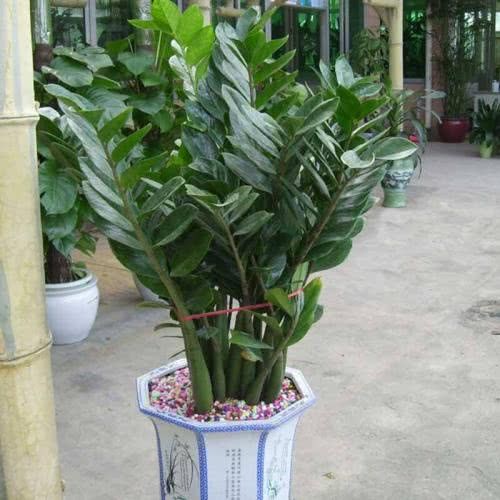
Don't rush to throw away a dying ZZ plant (Zamioculcas zamiifolia) - learn this trick and it will grow like crazy
Many plant lovers think that once spring arrives, everything is growing, and their ZZ plant should be no different, only to find that it has recently been in a very bad state, with yellowing leaves, leaf drop, root rot and so on, almost dying, and after looking at it for a while they really want to throw out the pot and plant together. When this happens...
-
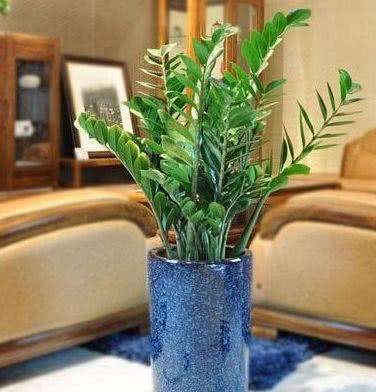
Zamioculcas zamiifolia (ZZ plant) loves autumn fertilizer: follow the experts to feed it for green leaves and strong stems
Hello everyone, if you want to keep receiving this column. Today we are sharing a topic about "Zamioculcas zamiifolia (ZZ plant)", and the title is: Zamioculcas zamiifolia | The ZZ plant loves autumn fertilizer; follow what the gardening experts do for green, lush leaves...
-
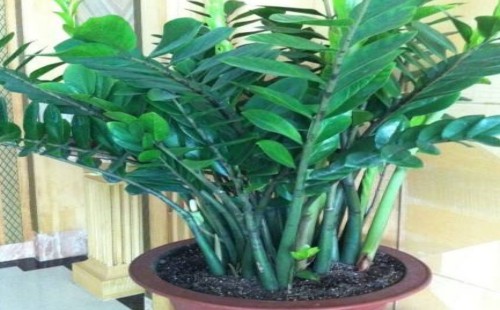
What bonsai are suitable for placing in the kitchen? Can a potted Money Tree (Zamioculcas zamiifolia) be placed on the balcony?
The balcony is a place in direct contact with nature, so it not only has ample light and smooth ventilation, but is also where air meets rain and dew the most and most fully. Moreover, from a feng shui perspective, the balcony is also a place for the home to gather qi.
-
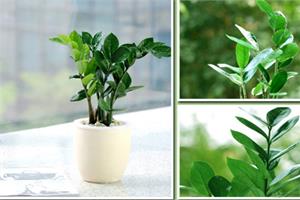
What to do when a Zamioculcas zamiifolia (money tree) has yellow leaves? Treat the problem according to the different shades of yellowing
What to do when a Zamioculcas zamiifolia (money tree) has yellow leaves: solve each case according to the shade of yellowing
-
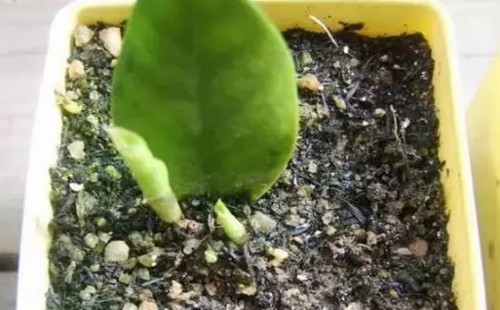
How to propagate a Money Tree (Zamioculcas zamiifolia) by leaf cuttings? Detailed method explained
The Money Tree is a plant widely grown in pots by the public and suitable for indoor display. Moreover, as a foliage plant, the Money Tree also helps purify indoor air and carries the auspicious meaning of bringing in wealth and treasure. And the Money Tree's propagation method is also relatively simple
-
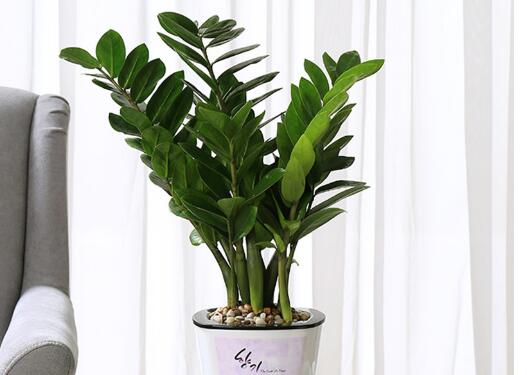
Zamioculcas zamiifolia is toxic but can be kept indoors
Zamioculcas zamiifolia is a perennial evergreen herbaceous plant with high ornamental value, so many people want to grow one at home, but many plants carry a certain level of toxicity, so we need to be clear about this before growing one. Is Zamioculcas zamiifolia toxic? Is Zamioculcas zamiifolia suitable for indoor growing
-
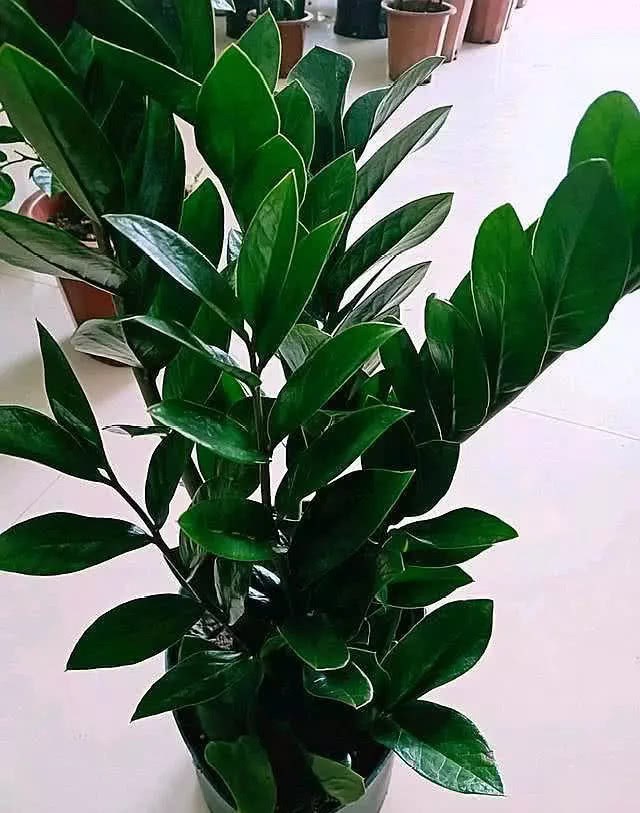
Pay attention to these points when growing a ZZ plant (Zamioculcas zamiifolia); its leaves will stay glossy green without turning yellow, and new shoots will keep emerging
How do you grow a ZZ plant well? Here I will first mention the two most important points. When growing a ZZ plant, you must never use a deep pot. You must never expose it to strong light. The reason most ZZ plants are not grown well is that they are planted in deep pots; deep pots are the key to the root rot and yellow leaves you get...
-
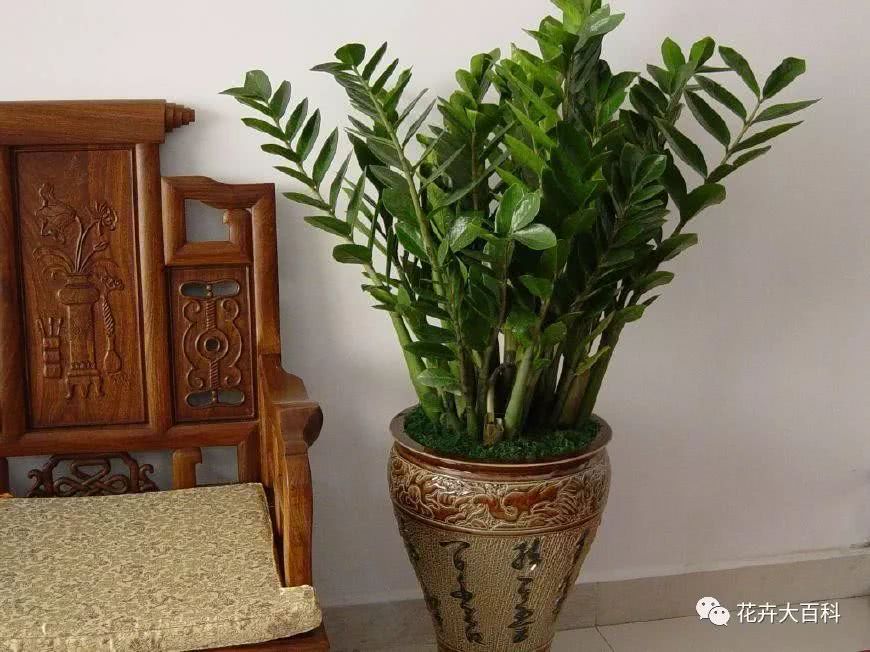
Don't panic if your Zamioculcas zamiifolia (money tree) leaves turn yellow - find the cause in 2 steps and solve it easily
The money tree is loved by many flower enthusiasts because of the meaning behind its name. The money tree is not only auspicious in name but also graceful in form, making it one of the more ideal green plants for growing as a household potted plant. Many friends find that as they care for it, the leaves wilt and turn yellow, and its leaves tu...
-
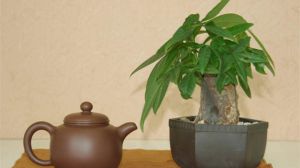
What is the difference between a money tree (Pachira aquatica) and a money plant (Zamioculcas zamiifolia)? A quick guide to telling them apart
Different families and genera: the money tree belongs to the family Malvaceae, genus Pachira, while the money plant belongs to the family Araceae, genus Zamioculcas. Different places of origin: the former comes from Central America, while the latter comes from East Africa. Different habits: the former prefers relatively moist growing conditions, while the latter prefers relatively dry growing conditions. Different forms: the leaves of the former are not opposite, while the leaves of the latter are opposite.
条件筛选