-
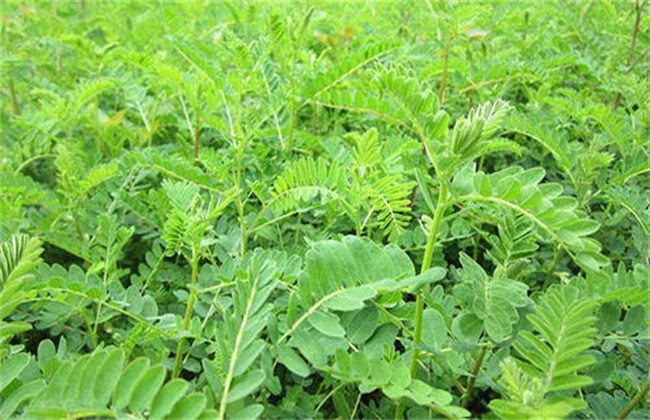
How to grow Astragalus? Mastering these planting key points is very important
Key points for growing Astragalus
-

What are the processing steps for Gastrodia elata? A clear explanation of every step at once
If Gastrodia elata is piled up for a long time after harvest, it will rot, so Gastrodia elata should be processed promptly after harvest. Its processing steps are as follows: 1. Grading. According to the size of Gastrodia elata, it can be divided into 3 grades. Those above 150 grams are first-grade products, 75-150 grams are second-grade products, and those below 75 grams and those damaged during digging are third-grade products. 2. Washing off soil. Wash the above 3 grades of Gastrodia elata separately with clean water. The washed Gastrodia elata must be processed the same day. If soaked in water overnight, the processed Gastrodia elata will be black, which will affect its medicinal use
-
Discovery of a Wild Self-Seeding Fertile Pinellia Plant and Analysis of Its Utilization Prospects
Since 1988, we have conducted surveys of wild Pinellia ternata variety resources in the Yimeng Mountain area and research on artificial cultivation techniques. During many years of investigation and study, we discovered a single Pinellia ternata plant that can self-pollinate and set seed under wild conditions. After artificial domestication and cultivation, one 1.5 g Pinellia tuber can produce 40 to 50 seeds in one year, thereby solving the problems of low natural seed-setting rate and the lack of five usable [varieties] in production, and opening a path for improving the propagation rate of Pinellia ternata. 1 Botanical characteristics: the plant is 10 cm tall
-
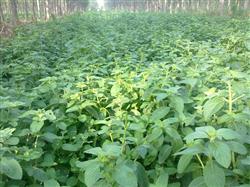
How do you manage mint in everyday growing?
How do you manage mint in everyday growing? Please explain the daily management methods. The daily management of mint growing mainly includes thinning and gap filling, hoeing and weeding, water and fertilizer management, and pinching, etc. The operation methods are described in detail below for reference: Thinning and gap filling. To obtain a high yield, a certain density of plants must be maintained in the field...
-
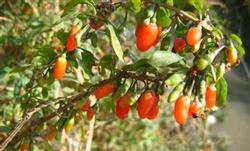
How to prevent and control wolfberry black fruit disease? These methods are very practical
Wolfberry black fruit disease damages the green fruit, flowers and buds of wolfberry, and also damages young shoots and leaves. From the early fruiting stage in early May to the late fruiting stage in mid-October, wolfberry can be infected by this disease. From May to June, when the daily average temperature is above 17°C, the relative humidity is around 60%, and there are 2~3 rainy days per ten-day period, the disease can occur in the field. From July to September, when the daily average temper...
条件筛选