-
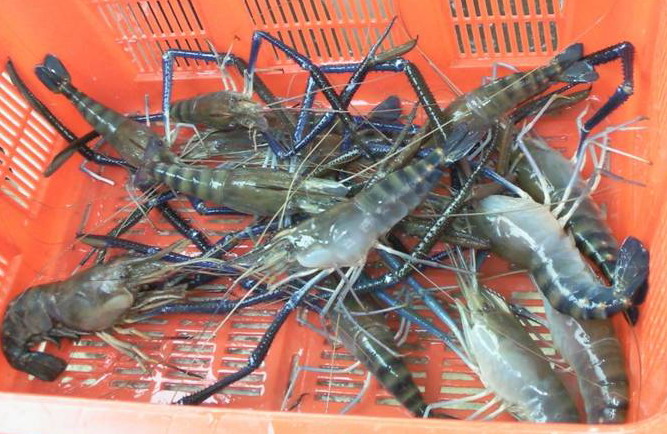
Raising two crops of shrimp a year, using resources to improve farming efficiency
Using resources to improve shrimp farming efficiency: a two-crop-per-year shrimp farming method
-

What precautions should be taken when using medication in meat pigeon farming?
Precautions for medication use in meat pigeon farming
-
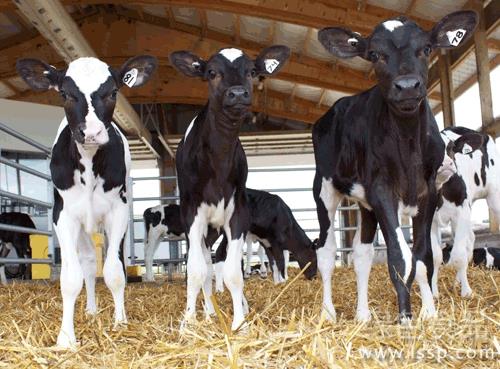
Calf omphalitis causing stunted growth, how to prevent and treat it
How to prevent and treat stunted growth in calves caused by umbilical inflammation, calf omphalitis
-

A Clever Treatment for Neonatal Rabbit Kits Refusing to Nurse
Neonatal rabbit kits refusing to nurse is caused by nutritional imbalance in the doe during late pregnancy. This condition develops 2 to 3 days after the kits are born, and within the same litter, some or all of the kits come down with it one after another. Affected kits show signs of not suckling, skin that is cool and dark, and a body that is soft and weak all over, finally dying in a comatose state. Treatment method: slip a 2 cm piece of bicycle valve-core latex tubing over the nozzle of a syringe, draw up 25% glucose solution, then insert the latex tubing into the mouth of the affected kit and slowly push the plunger, giving each kit 1 to 2 milliliters; for kits that can no longer swallow,
-
Cage Culture Technology for Silver Carp and Bighead Carp Fingerlings: Using Small and Medium-sized Reservoirs as Broodstock Bases
As the main drinking water source for Beijing, Miyun Reservoir plays a decisive role in the capital's economic development and social stability. In order to scientifically convert the nutrients and aquatic organisms in the water body of Miyun Reservoir, purify the water quality, and protect this basin of "water of life" for the capital, after the cancellation of cage fish farming, the Miyun County government increased the amount of fingerlings stocked, releasing 485,000 kg, nearly ten million individuals, of silver carp, bighead carp, bream, grass carp and other fingerlings into Miyun Reservoir each year, aiming to reduce the nutrient load of the water body through fishery production. However
-
A Detailed Guide to Selecting and Using Fishery Drugs: A Practical Guide for Farmers
When selecting fishery drugs, the "three certificates" must be complete (production license, production approval certificate, execution standard number), and there must be a product quality certificate. Legitimate fishery drug manufacturers have applied for registered trademarks; the trademark design, image, text, etc. are indicated on the packaging, labels, and instructions, and are marked with the words "registered trademark" or a registration mark. The quality of the inner and outer packaging materials of fishery drugs should be good. Generally, the packaging is marked with instructions for use, trade name, chemical name, drug composition, content, production approval number, manufacturer name, address, production batch number, production date, validity period, indications or functions and main treatments,
-
Nine precautions for using fishery drugs in summer
Summer is a period of high incidence of fish diseases, and also a peak period for the use of fishery drugs. The following points should draw everyone's attention: 1. When two drugs are mixed for use, they should first be dissolved separately in water before mixing. Copper sulfate, ferrous sulfate, potassium permanganate, etc. should all be dissolved in water in a wooden bucket or wooden basin. Powdered drugs such as bleaching powder and trichlorfon should first be mixed with a small amount of water into a paste, then diluted with water, so as to prevent caking that may be mistakenly eaten by fish. The following drugs cannot be mixed: bleaching powder and quicklime, copper sulfate and quicklime, trichlorfon and quicklime. 2. Appli
-
Common Diseases Causing Persistent High Fever in Pigs and Their Prevention and Treatment Methods
(1) Swine fever: The pig's body temperature rises to 40-42°C and does not subside persistently; appetite decreases or the pig stops eating, mental depression, shivering, lying prone and sleepy, huddling together or burrowing into straw; when standing and walking, the back is arched and the waist bent, limbs are weak, movement is slow, gait is unsteady and swaying, conjunctiva is red with purulent discharge, first constipation, then diarrhea; at the base of the ears, abdomen, inner sides of the limbs and other areas there are purplish-red bleeding spots that do not fade under finger pressure. Lesions: systemic lymph nodes are enlarged with peripheral hemorrhage, showing a red-and-white mottled marble-like appearance; the kidneys become pale with pinhead-sized bleeding spots on the surface; the spleen is enlarged and hemorrhagic, with the edge
-
A Highly Effective Method of Using Mirabilite to Treat Pig Eczema
Eczema is a skin disease that occurs frequently in pigs in autumn. Acute and chronic eczema has the main symptoms of erythema, papules, and itching on the skin, and a few cases are accompanied by pustules, exudate, erosion, and scabbing, and it is especially harmful to suckling piglets. Based on practical experience in production, treatment with mirabilite has a highly effective result. Method: according to the size of the pig and the area of the affected part, take 50-200 grams of mirabilite respectively, add 200-500 milliliters of cold boiled water, and after dissolving, apply and rub the affected part, 4-5 times a day, or use a clean towel to dip the liquid and wipe the affected area, for half an hour each day,
-
Prevent Allergic Reactions When Using Streptomycin in Pigs and Cattle
Some pigs and cattle develop allergic reactions after being given streptomycin. If rescue treatment is not timely or not appropriate, it can cause death, just like penicillin allergy. Therefore, streptomycin use in pigs and cattle must not be taken lightly; after administration, observe the animals carefully and be prepared for emergency treatment. Streptomycin allergy in pigs and cattle mostly occurs acutely. With the first dose, the allergic reaction develops somewhat slowly, with symptoms appearing in about 10-15 minutes; with the second dose, the allergic reaction develops more quickly, with symptoms appearing in about 5 minutes. The main symptoms are: pigs and cattle tremble all over
条件筛选