-

Is the Money Tree Toxic? Understanding Money Tree Toxicity for Peace of Mind When Growing
Is the Money Tree Toxic?
-

How to grow hyacinths? Understanding their ecological habits and growing environment requirements
Ecological habits of hyacinths. Hyacinths prefer a sunny and fairly moist environment, and require well-drained, fertile sandy loam. They are relatively cold-tolerant; in regions with fairly warm winters, they root in autumn, new shoots emerge in early spring, they bloom in March, the fruit ripens in late May, and the above-ground parts wither in early June and enter dormancy.
-

-

How Many Times a Year Does a Gardenia Bloom? Understanding Its Blooming Cycle in One Article
How many times a year does a gardenia bloom?
-

Is Ginger Lily Poisonous? Understanding Ginger Lily Toxicity in One Article
Is Ginger Lily Poisonous?
-
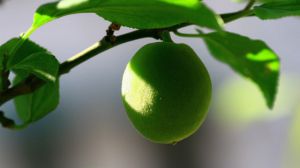
What are the benefits and effects of green plum? Understanding the benefits of green plum in one article
Promoting digestion: Green plum is rich in organic acids and cellulose, which can improve the motility of the stomach and intestines. Relieving fatigue: It can promote human metabolism and effectively relieve physical fatigue. Anti-inflammatory and antibacterial: Rich in various organic acids, it can effectively inhibit bacterial reproduction and improve the intestinal antibacterial ability. Beauty and skin care: It can promote skin metabolism and prevent melanin accumulation.
-
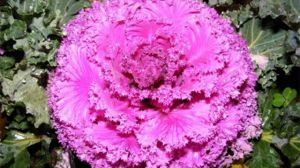
What Is the Difference Between Kale and Red Cabbage? Understanding the Differences Between the Two in One Article
Leaf differences: Kale leaves vary in color, are obovate, and have wavy wrinkles. Red cabbage leaves, however, are purple, with a little green near the veins, and are overall closer to round. Habit differences: Kale leaves do not gradually curl into a ball as they grow, but red cabbage leaves curl into a flattened ball as they grow.
-

What are the effects and benefits of Nymphoides peltata? Understanding its main value in one article
What are the uses of Nymphoides peltata
-

Where does the rice we eat every day come from? Understanding the origins of rice in one article
Rice (Oryza sativa) can be said to be one of the crops most familiar to us Chinese. Its culinary uses were already covered by Species Calendar two years ago, which you can see here. What we want to understand today is the question of rice's origin...
-

Is golden-edged Daphne odora toxic? Understanding its toxicity in one article
Is golden-edged Daphne odora toxic?
条件筛选