-
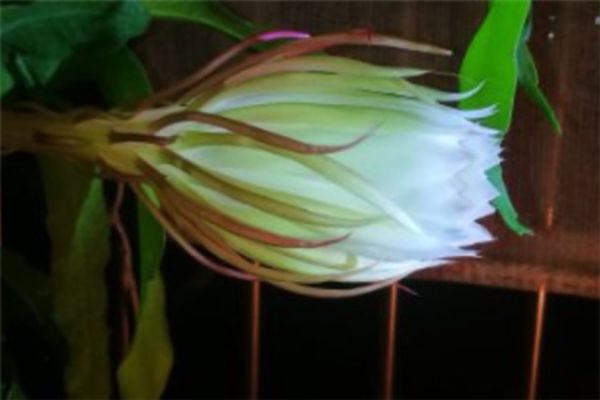
Is the epiphyllum the same as the night-blooming cereus? Understanding its habit of blooming at night
Is the epiphyllum the same as the night-blooming cereus, and does it bloom at night?
-
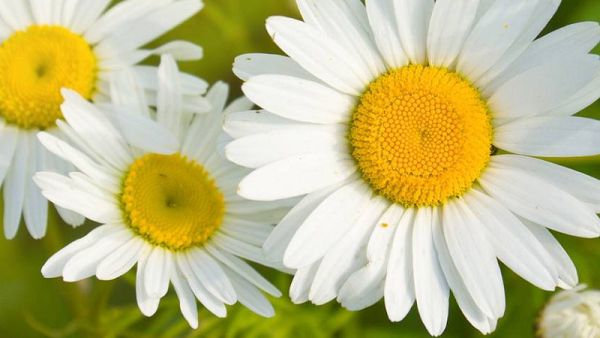
How Many Petals Does a Daisy Have? Understanding the Petal Count in One Article
How Many Petals Does a Daisy Have
-
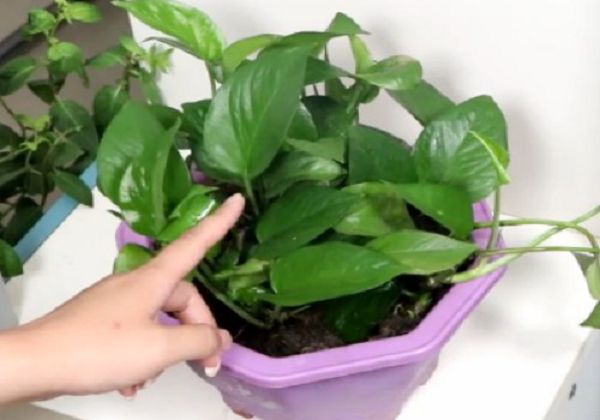
Does pothos prefer shade or sun? Understanding its light needs in one article
Does pothos prefer shade or sun
-

What classifications do tulips have? Understanding tulip variety classification in one article
There are many varieties of tulips, about ten thousand or more. Two main classification methods are introduced here: 1. Classification by flower shape variation. They can be divided into cup type: the corolla is cup-shaped, with representative varieties including Cottage tulip, Darwin tulip, and Darwin hybrid tulip; bowl type: the corolla is shallow dish-shaped and bell-shaped, with many small flowers, and the representative variety is water lily tulip; lily type: the petal tips are gradually pointed, and the corolla resembles a lily flower, with the representative variety being lily tulip; ball type: the corolla is spherical, and these are the double-flowered types among Cottage tulips and Darwin hybrid tulips. 2. Classification by early or late flowering.
-
A detailed guide to Dracaena reflexa cultivation techniques: understanding planting and care methods in one article
Dracaena reflexa, golden Dracaena reflexa, and yellow-edged Dracaena reflexa all belong to the D. retlera lineage. The plant can reach 9 m in height, and after growing tall the stems tend to bend and lean. The leaves are sword-shaped and lanceolate, sessile, leathery and glossy. Dracaena reflexa has entirely green leaves. Golden Dracaena reflexa has yellow longitudinal stripes in the leaves. Yellow-edged Dracaena reflexa has golden-yellow leaf margins. Such plants have strong shade tolerance, are suitable for pot cultivation, and are premium indoor plants. Cut stems and leaves can also root when grown in water, making them premium material for flower arranging. Propagation: seed sowing or cuttings can be used; for mass propagation, seed sowing can be used, from spring to
-
What are the morphological characteristics of eucalyptus? Understanding the appearance of eucalyptus in one article
Evergreen plants, with periodic shedding of old leaves within a year. Most species are tall trees, a few are small trees, and very few are shrub-like. Crown shapes include spire-shaped, multi-branched, and weeping forms. Simple leaves, entire margins, leathery, sometimes covered with a thin layer of wax. Leaves can be divided into juvenile leaves, intermediate leaves, and mature leaves...
-

What is the flower language of the asparagus fern? A guide to understanding its meaning and symbolism
What is the flower language of the asparagus fern?
-

Is the Money Tree Toxic? Understanding Money Tree Toxicity for Peace of Mind When Growing
Is the Money Tree Toxic?
-

-

How Many Times a Year Does a Gardenia Bloom? Understanding Its Blooming Cycle in One Article
How many times a year does a gardenia bloom?
条件筛选