-

Can Tuberous Sword Fern (Shi Huang Pi) Be Eaten? Benefits, Effects and Care Methods
Tuberous sword fern, leaves tufted, dark brown, slightly glossy, leaf blade linear-lanceolate or narrowly lanceolate, once pinnate, lanceolate, leaf margin with sparse shallow obtuse serrations. So can Tuberous Sword Fern (Shi Huang Pi) be eaten? What are the benefits and effects of Tuberous Sword Fern? How do you care for Tuberous Sword Fern? 1. Kidney
-
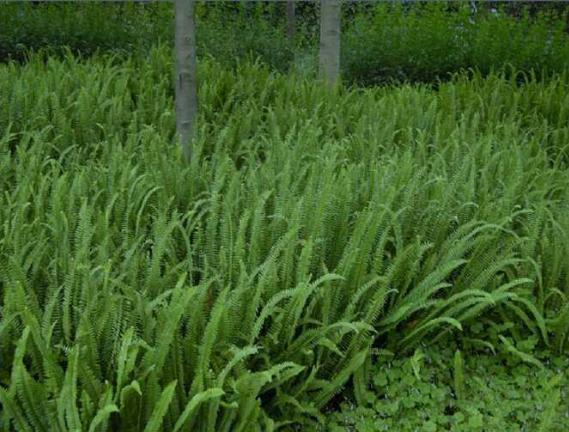
Can the Tuberous Sword Fern (Shi Huang Pi) Be Eaten? Benefits, Effects, and Care Methods
Tuberous sword fern leaves grow in clusters, dark brown, slightly glossy; the blade is linear-lanceolate or narrowly lanceolate, once-pinnate, lanceolate, with sparse shallow blunt serrations along the leaf margin. So can the tuberous sword fern (Shi Huang Pi) be eaten? What are the benefits and effects of the tuberous sword fern? How do you care for the tuberous sword fern? Can the tuberous sword fern (Shi Huang Pi) be eaten? Yes, it can be eaten.
-

Detailed Explanation of the Planting Methods and Techniques for the Tuberous Sword Fern
How to Plant the Tuberous Sword Fern
-
What are the fan fern and the tuberous sword fern? Get to know these two ferns
Scientific name: Nephrolepis auriculata. Common name: tuberous sword fern. Family and genus: Polypodiaceae, genus Neocheiropteris. Plant category: medium-sized terrestrial fern. Morphological features: plant height 60 cm. Rhizome thick and creeping horizontally, densely covered with scales, dark brown. Fronds distant, nearly papery, sparsely covered with small brown scales beneath. Stipe 30-45 cm long. Blade 25-30 cm long, fan-shaped. Veins reticulate, areoles dense with included branched veinlets. Spores
条件筛选