-

How to grow potted Camellia sasanqua? Keep these care tips in mind
Avoid keeping too many buds: The bud development period is extremely long, and some varieties even take "ten months of pregnancy." From bud formation to blooming, a large amount of nutrients is consumed. Without timely and thorough bud thinning, it is difficult to ensure sufficient nutrients for later bud development and flowering. Spray flower-strengthening agent during the bud stage
-
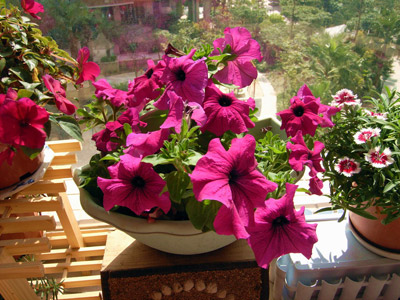
Methods and Tips for Moving Potted Flowers Indoors at the Right Time
In northern China, after the Cold Dew solar term, most flowers should be moved indoors for the winter one after another according to their cold resistance, to prevent cold and freezing damage. The specific time for moving them indoors depends on the flower species. For most flowers, do not rush to move them indoors as soon as the weather turns cold, because moving them in too early affects nutrient accumulation and is detrimental to growth and development the following year.
-

Cultivation methods and care tips for Achimenes
This plant has upright, hairy green or red stems, and the dark green leaves also have a hairy texture. The flowers are pink, purple, or yellow, with a hairy white flower throat. The flowering period is from June to October, and it is very suitable for growing in indoor flower boxes. Microclimate 1: warm, sunny. Size: Achimenes can grow up to 45 cm.
-
Why do spider plant leaf tips wither and turn black
Why do the leaf tips of potted spider plants (Chlorophytum comosum) turn black, dry up and shrivel? How can this be prevented? Looking at the blackening and withering of potted spider plant leaves from a cultivation perspective, there may be several reasons. First, dry air, overly intense sunlight and excessively high temperatures. This situation mainly occurs in summer and autumn, because spider plants like to grow in humid, semi-shaded environments; once the air is too dry and the sunlight is completely unobstructed, and if the temperature rises above 30°C, it is very easy to cause the leaf
-
What to Do When Spider Plant Leaf Tips Turn Brown and Dry? A Complete Guide to Prevention and Treatment
Spider plant (Chlorophytum comosum) has fresh green leaves shaped like orchid leaves, fresh and elegant, and is a common and beloved household foliage plant. It also has the unique effect of purifying indoor air, bringing people even greater benefits, which is one of the important reasons people like to grow it indoors. Spider plant is called the "air plant," and it truly lives up to the name: those stolons extending from the leaf axils, both firm and soft, hang down and outward from the rim of the pot, reaching several feet in length, with each stolon tip bearing new plantlets of various sizes, fresh green as if washed, gently swaying in the wind. If
-
Dendrobium Orchid Home Growing Tips and Daily Care Methods
Dendrobium orchids, along with Cattleya, Phalaenopsis and Vanda, are ranked as the four major tropical ornamental orchid groups, and are one of the largest genera in the Orchidaceae family, with 1500-1600 native species, of which about 60 are found in China. Dendrobiums are divided into two major categories, deciduous dendrobiums and evergreen dendrobiums, according to their biological characteristics and different ecological requirements. Deciduous dendrobiums send up flower spikes from the upper part of the pseudobulb each year, and after flowering new shoots grow from the base and develop into new pseudobulbs, with the leaves falling at the end of the growing period or in the spring of the following year. Evergreen dendrobiums
-
Recipe and cooking tips for pan-fried pomfret with salad dressing
Main ingredients: 1 white pomfret (12 liang, about 480 g), 2 tablespoons salad dressing, 4 tablespoons oil. Ingredients: Marinade: 1/2 teaspoon salt, 3/2 teaspoons sugar, 1 tablespoon each light soy sauce, wine and Worcestershire sauce, a pinch each of pepper and sesame oil. Method: 1. Wash and dry the pomfret, score crosswise lines on the fish, add the marinade and mix well, marinate for 1 hour. 2. Heat oil, pan-fry the pomfret until golden brown, then transfer to hot oil and deep-fry until crisp and fragrant, then plate. It can be garnished with lemon slices, cucumber slices and chopped cherries, and served with salad dressing
-
How to harvest garlic scapes? Remember these four tips
In recent years, many scape farmers have changed the old cultivation method of growing green garlic and digging up green garlic for market into the cultivation method of harvesting garlic scapes and digging up garlic bulbs for market. Among them, many farmers, because they do not know how to harvest garlic scapes scientifically, either end up with poor-quality garlic scapes and low yields, or with small garlic bulbs and heavy yield reductions, and cannot achieve the best results in increasing production and income. To ensure harvesting high-quality, high-yield garlic scapes while also getting a bumper harvest of garlic bulbs, I will introduce to everyone the four "secrets" of scientifically harvesting garlic scapes. 1. Choose the right harvest time when the "scape tip" curves nearly a full circle. Garlic scapes must be harvested at the right time. Harvesting too early will
-
How to Make Braised Bailing Mushrooms in Abalone Sauce and Cooking Tips
Ingredients: Authentic canned "Lingzhi Brand" Bailing mushrooms. Also prepare an appropriate amount of fresh broccoli for lining the plate. Seasonings: an appropriate amount of abalone sauce, Baowei'er beef juice, dark soy sauce, light soy sauce, salt, and German-made golden yellow powder (a food coloring brand). Other: Beat the egg whites with an egg beater into an egg batter, and evenly sprinkle an appropriate amount of salted egg yolk on top for decoration. Method: 1. After removing the Bailing mushrooms, take superior stock, add an appropriate amount of salt, and simmer the Bailing mushrooms over low heat until fully flavored, then set aside.
-
Tips for Harvesting Garlic Scapes: Mastering the Method Is Key
1. Timing of harvest. Garlic scapes must be harvested at the right time. Harvesting too early results in low scape yields because the scape has not fully emerged, and after harvest an "excess scape" section will still push out. Harvesting too late not only affects the fresh, tender quality of the scapes because they have become "over-mature," but also reduces garlic bulb yields. The most suitable harvest time is: when the scape has emerged and the "scape tip" has curved nearly a full circle. 2. Choose overcast days or after the sun slants westward on sunny days for harvesting. Harvesting garlic scapes easily leaves "wounds" on the stems and leaves of the garlic. If harvested under strong sunlight on a sunny day, the large transpiration rate and
条件筛选