-

Tibet Achieves a Double Harvest of Grain Baskets and Vegetable Baskets
The latest data from the Tibet Agriculture and Animal Husbandry Department shows: In 2015, Tibet's grain output exceeded 1 million tons for the first time, reaching 1.1078 million tons, and vegetable output reached 820,000 tons, both hitting record highs, achieving a double harvest of Tibet's grain baskets and vegetable baskets. After the bumper harvest, can farmers achieve increased production
-
Grassland agriculture development is steadily advancing
Storing grain in the land and storing grain in grass is an important way to adjust the structure and transform the mode of agriculture. However, as China's urbanization process continues to accelerate, people's dietary structure is also undergoing a shift - grain consumption is declining, and the consumption of animal-based foods is growing. This has driven the rapid development of the livestock industry
-
Tibet and Xinjiang specialty agriculture exhibition draws attention at the 18th China Agricultural Trade Fair
On the 27th, at the exhibition site of the 18th China (Langfang) Agricultural Products Trade Fair, the specialty agriculture exhibition areas of Tibet and Xinjiang's counterpart aid regions became a new highlight, attracting many people to stop and inquire. In Hall B of the Langfang International Convention and Exhibition Center, the agricultural products exhibition area of Ngari Prefecture, Tibet was
-
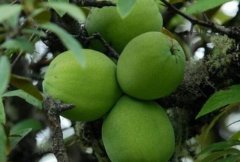
Introduction to the Origin, Uses, and Seed Sowing and Seedling Raising Methods of Tibetan Papaya
There is a unique papaya variety in our country, and that is the Tibetan papaya. This type of papaya is produced in Tibet, so it was named Tibetan papaya. Would you like to learn about it? Below we introduce it to you, and along the way also explain the seed sowing and seedling raising methods for papaya. Tibetan papaya
-
What is the difference between safflower and saffron? The differences between the two explained clearly at once
Saffron is another name for Crocus sativus; these two names refer to the same tonic, which can also be called fanhonghua, and both are plants of the genus Crocus in the family Iridaceae. But safflower and it are not the same substance; safflower is a plant of the family Asteraceae originating from Xinjiang, and its efficacy is far inferior to it
-
What is the difference between Tibetan poppy and greater celandine?
Both Tibetan poppy and greater celandine are plants in the Papaveraceae family, and both bear yellow flowers, so what exactly is the difference between Tibetan poppy and greater celandine? 1. Differences between Tibetan poppy and greater celandine. 1. Different classification: Tibetan poppy is a perennial herb in the Papaveraceae family, genus Dicranostigma, while greater celandine is a plant in the Papaveraceae family, genus Chelidonium.
-
How to Treat Diseases of the Green Pothos Flower? A Detailed Guide to Prevention and Control Methods
The green pothos flower is produced in the cold regions of Tibet. It is slightly cold in nature, and its growing period is only just over 40 days. It is a precious herb unique to Tibet. So how do you treat diseases of the green pothos flower? 1. How to Treat Diseases of the Green Pothos Flower First, you need to identify what disease it is, and then use the appropriate medicine for it. For example
-
After planting, in which month does the bottle gourd usually bloom?
The bottle gourd is also known as Gabei Zhebu (Tibetan name), bottle gourd shell, chou hulu, hu lu, pu lu. It can be eaten, used as medicine, and made into handicrafts. But do you know in which month the bottle gourd blooms? And what are the planting methods? In which month does the bottle gourd bloom? The bottle gourd generally blooms in summer, in June-July
-
A Detailed Guide to Prepartum Preparation and Precautions for Tibetan Mastiffs
The gestation period of a general dog is 58~65 days (average 63 days). When the female dog is close to 60 days pregnant, signs of labor will gradually appear: 1. The female dog begins to seem restless, constantly scratching the floor and bedding with her front paws, in a nesting and den-building motion. 2. Most female dogs will not eat within 24 hours before giving birth, or will only pick at a small amount of food they like; some will vomit slightly before giving birth.
-
How to prevent and treat miscarriage and difficult birth in Tibetan Mastiff breeding?
Miscarriage in female Tibetan Mastiffs is divided into 2 major categories: infectious and non-infectious. The former is seen in infections caused by Escherichia coli, Staphylococcus, fetal Vibrio, and Brucella abortus, as well as other disease infections. The latter is mostly seen with insufficient progesterone, insufficient corpus luteum formation, and miscarriage at 2~5 weeks of pregnancy
条件筛选