-

What should you pay attention to when growing Haworthia cooperi with the closed-lid method? Don't overlook these points
What to pay attention to when growing Haworthia cooperi with the closed-lid method
-
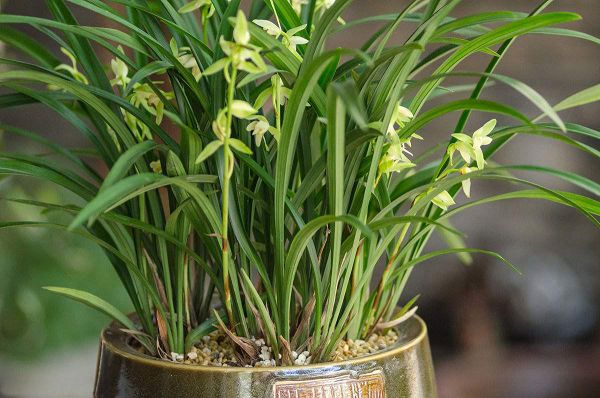
Pay attention to these points when growing flowers in early spring, and your home flowers will be full of life
Pay attention to a few points when growing flowers in early spring, and let your home plants be full of life
-
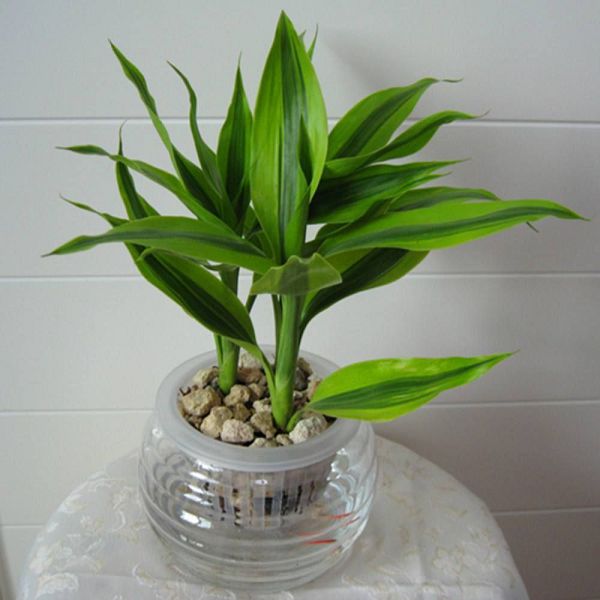
How to grow lucky bamboo so its leaves stay lush and green? Pay attention to these points
If you want to grow lucky bamboo well, pay attention to these points to keep its leaves lush and green
-

How to carry out tending and management of dawn redwood? Read this article to understand the key points
Tending should be carried out promptly after afforestation. Watering during April and May is the key to ensuring survival. When planting large saplings, special attention must be paid to drought resistance during the hot season. Weed and loosen the soil two to three times each year, with tending from May to June and from August to September having notable results. After 2 years, applying fertilizer once before spring bud break is very necessary. Generally, pruning is not necessary before the stand is established, but after the stand is established, pruning should be moderate. When the tree height is 6 to 10 m, the pruning height is one quarter to one third of the tree height; when the tree height is 10 to 15 m, the pruning height is one third to one half of the tree height.
-
Ten Key Points on Azalea Cultivation Techniques
1. Prefers shade and fears direct sun; strong direct light easily scorches it, but too much shade will also cause poor growth and make it hard for flower buds to form. 2. Prefers acidic soil, with a pH of around 6 being most suitable; in overly alkaline soil, the leaves will gradually turn yellow and wither from the bottom up, and the plant may even die. 3. A physiological iron deficiency affects chlorophyll synthesis, causing leaves to become smaller and yellow-white. 4. It can generally tolerate low temperatures below 10°C, but because the azalea's roots are shallow and fine, close to the surface soil, it cannot tolerate intense heat. 5. Because the root system is fine, its ability to absorb and supply water is poor, and it fears both drought and waterlogging, so it
-
A Detailed Guide to Post-Bloom Care Methods and Key Maintenance Points for Phalaenopsis Orchids
Post-bloom care for Phalaenopsis orchids is extremely important, as it has a direct impact on surviving the summer safely and blooming the following year. After years of practice, the author has summarized a set of post-bloom care methods, presented below: 1. Removing the flower spike: After all the flowers of the Phalaenopsis have faded, the flower spike should be promptly cut off from the base to reduce nutrient consumption. Some people keep the flower spike to let it bloom a second time; this method is highly inadvisable. This is because the probability of a second bloom is not high, and even if it does bloom, the quality is poor, with small flowers and few in number, and Phalaenopsis that bloom a second time have poor flowering quality the following year
-
Analysis of Taxus Planting Techniques and Extension Key Points
Taxus, also known as yew, is an evergreen coniferous plant of the genus Taxus in the family Taxaceae. It mainly grows and is distributed in North America, northern Europe, and China's Yunnan-Guizhou Plateau, Qinghai-Tibet Plateau, Greater Khingan Mountains, Taihang Mountain range, Qinling Mountain range, Funiu Mountain range and other regions. The main varieties include North American Media Taxus and Florida Taxus, as well as China's Yunnan Taxus, Northeast Taxus and southern Taxus, etc. I. Growing Conditions Taxus is a plant of the genus Taxus in the family Taxaceae. There are 11 species worldwide, all distributed in the Northern Hemisphere, and China
-
How to grow spider plants? Pay attention to these points to grow them well
Spider plants, with their fresh green leaves shaped like orchid blades and their clean, elegant look, are a popular and common foliage houseplant. They also have the unique benefit of purifying indoor air, bringing people even greater advantages, which is one of the important reasons people like to grow them indoors. Spider plants are called "air flowers," and they truly live up to the name: those stolons sent out from the leaf axils, both firm and soft, drape outward and downward from the rim of the pot, reaching several feet long, and at the end of each stem rise new plantlets large and small, fresh green as if washed, swaying
-

Detailed Explanation of Dragon Juniper Cultivation Techniques and Maintenance Management Points
Cultivation Techniques of Dragon Juniper
-

Detailed Explanation of Magnolia Tree Planting Techniques and Key Maintenance Points
Magnolia Tree Planting Techniques
条件筛选