-
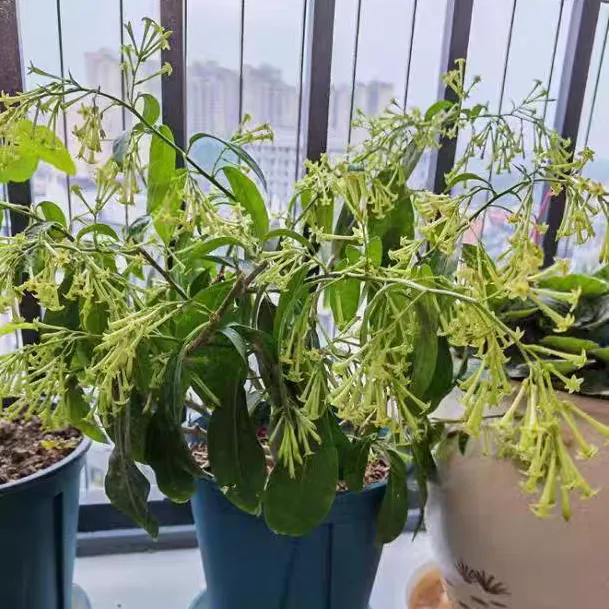
The Efficacy and Functions of Night - blooming Jasmine (Telosma cordata)
Today, I'd like to introduce you to a truly special flower - the night - blooming jasmine (Telosma cordata). The plants of the night - blooming jasmine are
-

How to Grow Night-blooming Jasmine (Telosma cordata) and Its Toxicity: Can It Repel Mosquitoes, Be Kept in the Bedroom, or Be Eaten?
Night-blooming jasmine, also known as night fragrant flower, night orchid fragrance, night clove, and thousand-mile fragrance, is a twining vine in the family Apocynaceae (subfamily Asclepiadoideae). Its flowering period is from May to August, and it rarely sets fruit. The flowers are cylindrical, yellow-green in color, and fragrant, with the scent becoming even stronger at night. So, what is the method for growing night-blooming jasmine?
-
How to grow night jasmine (Telosma cordata) for high yields? Growing tips shared
Night jasmine, also known as night jasmine and night fragrant flower, is a common flower in South China. It can not only be cooked as a vegetable, but can also be used medicinally, giving it high application value. So how do you grow night jasmine for high yields? 1. Site selection and land preparation Before sowing, choose a nursery site with good water and fertilizer conditions
-
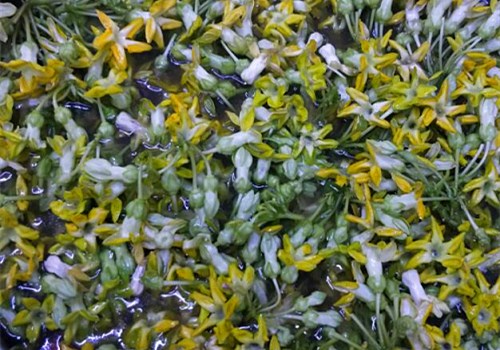
How to grow night-blooming jasmine (Telosma cordata) and its toxicity: can it repel mosquitoes, be kept in the bedroom, or be eaten?
Night-blooming jasmine, also known as night fragrant flower, night orchid fragrance, night clove and thousand-mile fragrance, is a twining vine in the family Apocynaceae (subfamily Asclepiadoideae). Its flowering period is from May to August, and it rarely produces fruit. The flowers are tubular and yellow-green, fragrant, with the scent becoming stronger at night. So, what is the method for growing night-blooming jasmine? Is it toxic? Can it repel mosquitoes or be placed in the bedroom?
条件筛选