-
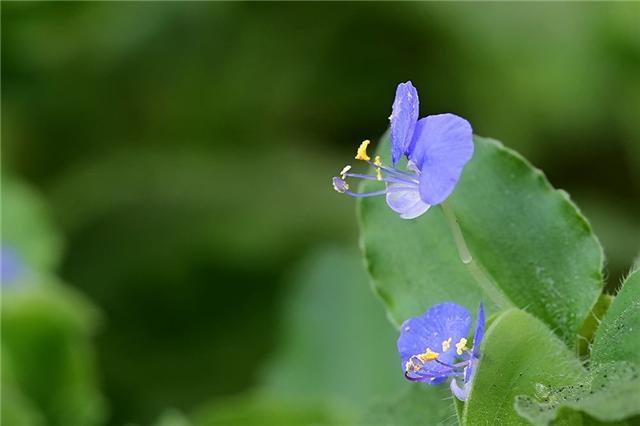
How do you tell the difference between Commelina paleata and Commelina communis? Mastering one trick is enough
Commelina paleata is also a plant in the Commelinaceae family, and it is generally seen in parks or along roadsides. Many flower lovers cannot tell Commelina paleata and Commelina communis apart, because these two grasses look too similar. If flower lovers want to clearly distinguish these two grasses, then I...
-
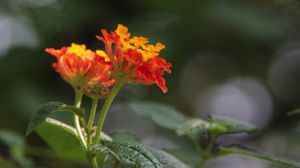
What is the difference between trailing lantana and common lantana? How to tell them apart
Appearance: The former grows about 0.7 to 1 m tall, with drooping branches. The latter is taller and larger, about 1 to 2 m tall, with both stems and branches four-angled. Leaves: The former has ovate leaves with an abruptly narrowed base, while the latter has leaves that are ovate to oblong, and the leaves are also broader and larger. Flowers: The former is pale purplish-red, while the latter is orange-yellow or yellow, turning deep red shortly after blooming.
-
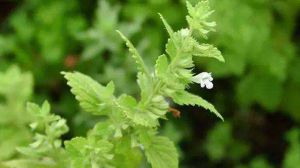
What is the difference between lemon balm and mint? A quick guide to telling them apart
Leaf differences: lemon balm leaves are ovate, with a blunt or acute tip and a rounded to nearly heart-shaped base, and they have relatively long soft hairs. Mint leaves are oblong-lanceolate, elliptic or ovate-lanceolate, and compared with lemon balm, their soft hairs are shorter. Flower differences: lemon balm has a creamy-white corolla, while mint has a pale purple one.
-
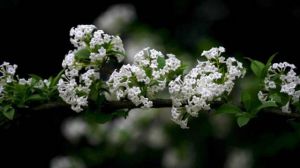
What is the difference between Viburnum farreri and lilac? A quick guide to tell them apart
Leaf difference: the former is papery, elliptical or rhombic-obovate, with triangular serrations. The latter is ovate to reniform, with a smooth surface and no serrations. Flower difference: the former is pink and turns white after opening, with 5 petals, while the latter is purple, with 4 petals.
-
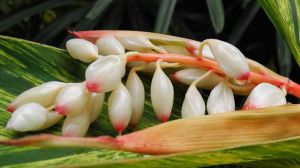
What is the difference between shell ginger and Amomum villosum? A quick guide to tell them apart
Leaves: the former has lanceolate leaves with a petiole about 1-1.5 cm long. The latter has lanceolate leaves in the middle and linear leaves at the top, with nearly no petiole. Flowers: the former has a panicle, white at the bottom and pink at the tip. The latter has a spike, with white petals and a yellow pointed tip in the center. Fruit: the former is ovoid, while the latter is elliptical.
-

The 8 biggest lies flower market owners often tell - have you encountered any of them?
Recently there has been a lot of discussion online about the biggest lies told by flower market owners. Many flower lovers have run into similar problems when buying flowers at the market, especially beginners, who don't know much about the plants themselves or the "unspoken rules of the flower market," and getting "fooled" by the owner really...
-
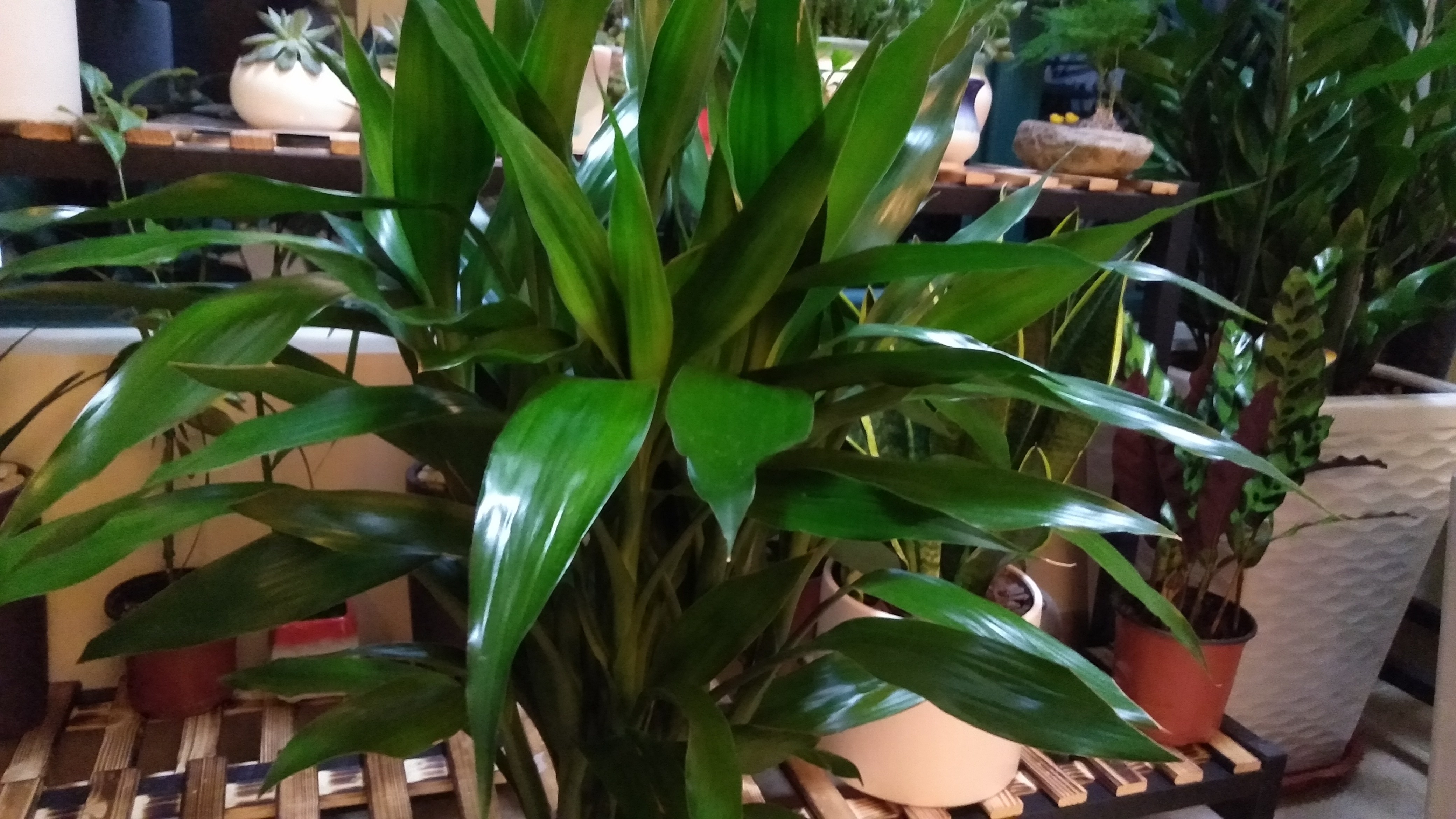
When is the fastest time for lucky bamboo to root in water? A plant expert tells you
Yesterday a fellow flower lover left a message for Chengcheng, asking whether it is suitable to root lucky bamboo in water now. Chengcheng tells everyone: the best time to root lucky bamboo in water is from April to September, because for water-rooted lucky bamboo, too low a temperature is not good for rooting, and during the April to September period...
-
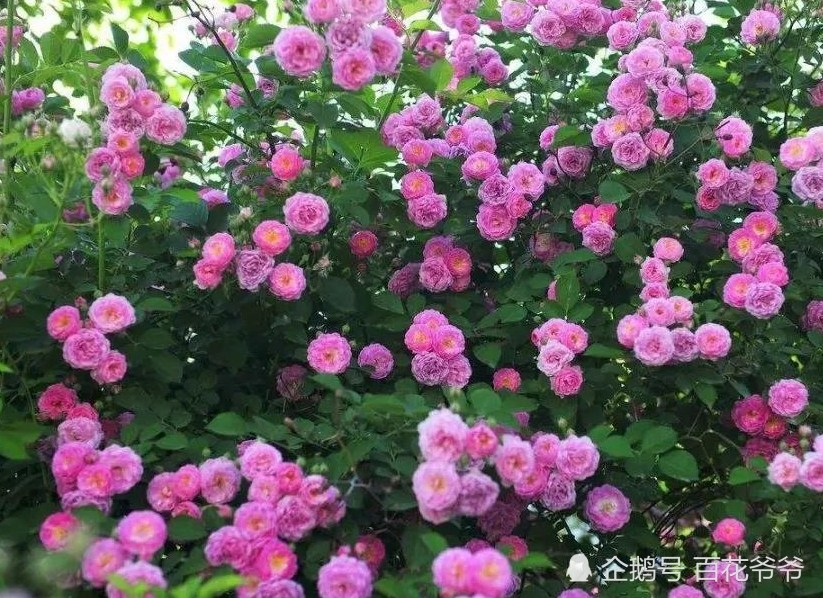
How to tell roses, Chinese roses, and wild roses apart? Three minutes to teach you to give the right flowers on Qixi
Today, the Chinese Valentine's Day has arrived, and many straight men are racking their brains over how to choose a gift for their girlfriends, while girlfriends are also looking forward to today's surprise. Roses are a must-have magic weapon for most couples in love. Today, Qiu Ma will share with everyone...
-

What is the difference between Chinese rose and rugosa rose? A quick guide to tell them apart
The difference between Chinese rose and rugosa rose
-

How to Tell Real Boxwood from Fake: A Few Tricks to Easily Identify Authenticity
Methods for Identifying Real and Fake Boxwood
条件筛选