-

Is Syzygium cumini an evergreen tree or a deciduous tree?
Is Syzygium cumini evergreen or deciduous? Syzygium cumini is an evergreen tree, reaching a height of 8-10 m. Its flowering and fruiting period runs from spring to summer. The fruit is edible. It has the characteristics of strong adaptability, a well-developed root system, a deep taproot, strong wind resistance, fire resistance, drought tolerance, rapid growth, strong sprouting ability, and strong water-holding capacity.
-
Is Syzygium hancei evergreen or deciduous? A look at the growth habits of Syzygium hancei
Syzygium hancei is a fairly ornamental plant, often planted along roadsides and also grown as a potted plant, so is Syzygium hancei evergreen or deciduous? 1. Is Syzygium hancei evergreen or deciduous? The scientific name of Syzygium hancei is Syzygium hancei, an evergreen shrub or evergreen tree
-
How to Grow and Care for Small-Leaf Syzygium buxifolium
From April to June, small-leaf Syzygium buxifolium should be placed in a spot with plenty of sunshine and rain, and the potting soil should always be kept moist; use loose potting soil or growing medium, and keep the potting soil pH at 5-6; repot and change the soil once every 3 to 4 years, preferably in early April; develop branches in moderation, and do not let the branches grow too long.
-
The latest methods for collecting stumps and sourcing material for Syzygium buxifolium bonsai
Syzygium buxifolium is a wild evergreen shrub of the mountainous regions of Jiangnan, and is rarely cultivated artificially. According to its ecological habits and biological characteristics, it can be propagated by sowing or cuttings. However, for making bonsai, wild plants or old stumps are mostly used. Collecting from the wild: in the mountains and hills of Jiangnan,
-
When is the best season to transplant Syzygium buxifolium?
The best time to transplant Syzygium buxifolium is in spring and autumn each year, because these two seasons are relatively warm. Before transplanting, prepare loose, breathable, well-draining, slightly acidic soil, then carefully take the Syzygium buxifolium out of the old potting soil, and after handling it, it can
-
Latest Precautions for Collecting Syzygium buxifolium Stumps in the Wild
There are many varieties of Syzygium buxifolium, reaching more than 20. Their classification is mainly determined by differences in leaf shape and leaf color, and differences in leaf arrangement. Syzygium buxifolium with different leaf shapes and leaf colors grow differently and also have somewhat different habits. After more than ten years of observation, those native to low-altitude areas
-
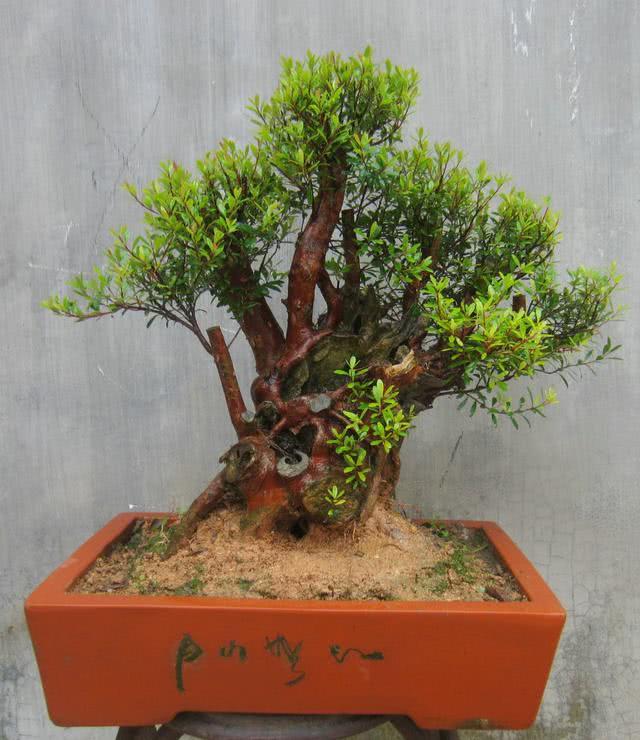
Syzygium buxifolium bonsai: crafting and care techniques, starting with choosing a good stump
Syzygium buxifolium can be divided into three types based on its leaves, but only the three-leaved whorled Syzygium buxifolium is suitable for bonsai. This plant is mostly found in the middle and upper reaches of the Yangtze River, and it is relatively easy to grow. Light is essential for it, and in dark, damp...
-
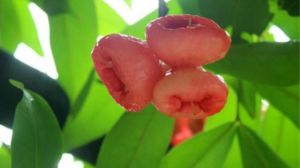
What is the difference between Syzygium cumini and Syzygium samarangense?
Leaf differences: Syzygium cumini leaves are leathery, broadly elliptic or narrowly elliptic, with rounded obtuse tips; Syzygium samarangense leaves are thinly leathery, elliptic or oblong, with obtuse or slightly pointed tips. Flower differences: Syzygium cumini has axillary paniculate inflorescences, white flowers, and 4 petals; Syzygium samarangense has terminal or axillary cymose inflorescences, with white flowers.
-
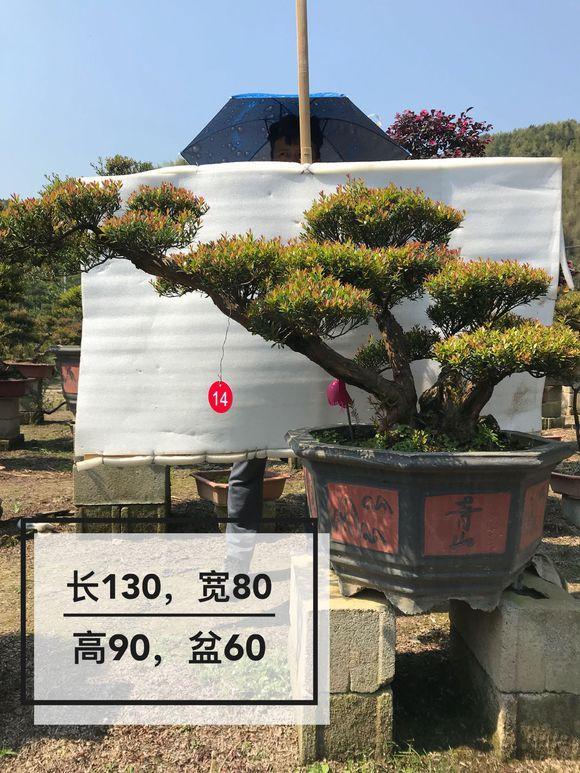
A batch of Syzygium buxifolium is changing color, and now is the perfect time to admire it
Do you like this article? Share it right away so more people can know! The content on this site is rich and profound, and our editors select popular daily news and update it at any time. Click "Be the first to receive the latest news" to browse! Please continue...
-
Characteristics of Small-leaved Syzygium and an Introduction to Its Planting and Care Methods
Shrub or small tree, 0.5-5 m tall; leaves opposite, leathery, 1-3 cm long, 1-2 cm wide, glabrous, lateral veins inconspicuous, converging into a marginal vein near the leaf edge. Cymes terminal or axillary, flowers white about 4 cm in diameter; calyx obconical; petals 4; stamens numerous; ovary inferior; berry spherical. Widely distributed from South China and Guizhou to Hubei and southern Anhui. Grows in hilly scrub or at forest edges. The fruit is edible or can be used to make wine.
条件筛选