-
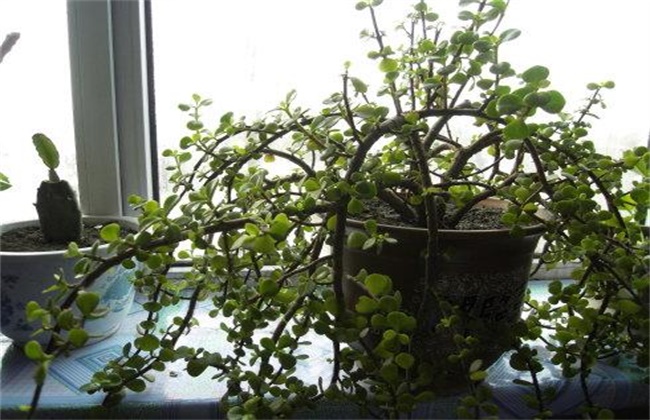
How to care for Elephant Bush in spring? A full breakdown of the care essentials
Spring care essentials for Elephant Bush
-
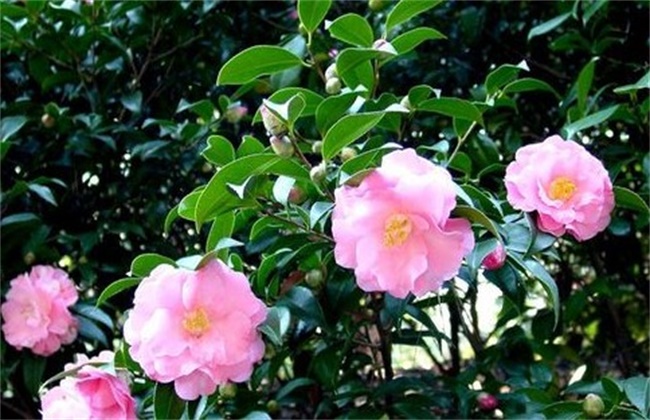
What points should be noted in spring care for camellias?
Points to note in spring care for camellias
-
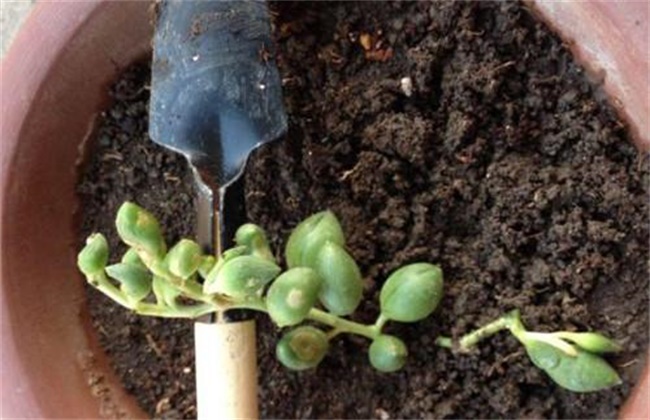
How to repot succulents in spring? Methods and precautions
Succulent spring repotting methods and precautions
-
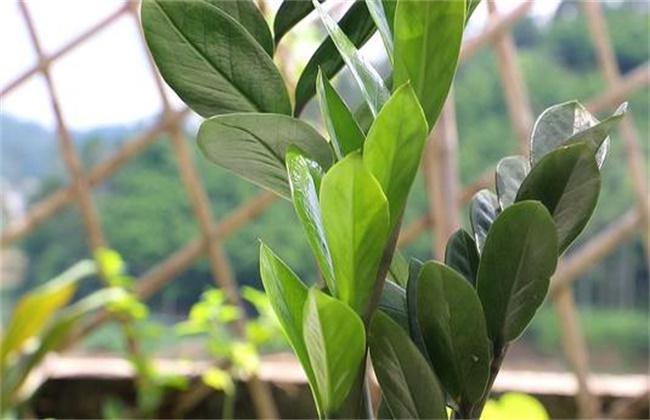
How to care for the Money Tree (Zamioculcas zamiifolia) in spring? Remember these methods
How should the Money Tree be cared for in spring
-
-

Experience sharing on forcing cultivation of tulips to bloom during Spring Festival
Tulips have strong cold resistance, tolerating low temperatures of -35°C in winter, and can grow normally at 5°C-8°C, making them suitable for winter forcing cultivation. Forcing cultivation of tulips means breaking the dormancy of flower primordia and leaf primordia through variable temperature treatment of the bulbs, eliminating factors that inhibit flower bud germination, and promoting flower bud differentiation, then through artificial heating, supplemental lighting and other measures, making tulips bloom outside their natural flowering period. Currently on the market there are commonly 5°C bulbs and 9°C bulbs; we generally choose 5°C bulbs for forcing cultivation to bloom during Spring Festival. Substrate
-
Cherry Blossom Spring Planting Methods and Key Technical Points
These past few days, the cherry blossom I grow in a pot at home had just grown a few leaves when it suddenly wilted badly. Why? Reply: This kind of problem may be caused by poor control of fertilizer and water, and it is also related to the planting season. For cherry blossoms, May to June and September are best, and sandy loam soil that does not contain brick or stone is preferable. 1. Watering: Cherry blossom roots are shallow and not tolerant of drought. During the growing period, they must not lack water, especially during the dog days of summer, otherwise they will bloom less. However, too much water and fertilizer makes waterlogging especially easy, and it also easily causes excessive vegetative growth, an untidy plant shape, and affects the overall effect, so watering should be kept at the right level.
-
Key Techniques for Winter-Spring Cutting Propagation of Carnations
Carnation is an annual or perennial clump-forming herbaceous flower of the genus Dianthus in the family Caryophyllaceae. Its propagation can be carried out by sowing, cuttings, layering, tissue culture and other methods, but cutting propagation is generally the most commonly used, carried out in winter and spring. Generally speaking, carnation cuttings can be taken from December to April of the following year, with January to February being the most suitable; at this time the lateral buds used as cuttings grow vigorously and are of the best quality. At the same time, cuttings taken during this period can control the plants to bloom at New Year's Day and Spring Festival of the following year. The survival rate of cuttings taken in March is also
-
Key Techniques for Winter and Spring Cutting Propagation of Carnations
Carnations are generally propagated by cuttings, carried out in winter and spring, and can be done anytime from December to April of the following year. The lateral buds used as cuttings at this time grow robustly and are of the best quality. At the same time, cuttings taken during this period can control the plants to bloom at New Year's Day and the Spring Festival of the following year. First, the growing medium should be prepared, generally using garden soil mixed with 30%-40% rice husk ash or sandy soil, mixed evenly, then placed in cutting pots or wooden boxes. Cutting must be done in a greenhouse, selecting cuttings from mother plants that are vigorous in growth, uniform in flowering, and have thick, short-jointed branches.
-
How to carry out spring field management for jasmine? Detailed explanation of the key technical points
I. Prune appropriately early From late February to mid-March, pruning appropriately early (along with the corresponding field management) can help jasmine plants enter the vegetative growth stage earlier, and before reaching the temperature suitable for flower bud formation (25°C), have a certain leaf area index to carry out photosynthesis and accumulate more nutrients, laying a good foundation for high yield and high quality of flower buds. The pruning height must be kept at about 20-30 cm above the remaining stump, with heavy pruning for old plants and light pruning for young plants. For 1-2 year old or newly planted
条件筛选