-

What should be noted when herding ducks in spring?
Choose good grazing grounds. During spring plowing, in rice-growing areas, ducks can be grazed in green manure fields that have been plowed and are being prepared for transplanting rice seedlings. Such fields contain plenty of natural plant and animal feed, such as grass seeds, grass roots, earthworms, and insects. After the rice seedlings are transplanted, ducks should not be taken into the fields to graze; grazing can resume only after the rice is harvested. Graze carefully. In river network areas, make full use of river channels for grazing. Generally, when taking the ducks out to graze, it is better to go upstream, when the ducks are full of energy and catch more food. In the cold spring season, when windy weather occurs, graze against the wind to prevent the wind from lifting the ducks' feathers and causing them to lose too much body heat. In areas with abundant feed
-
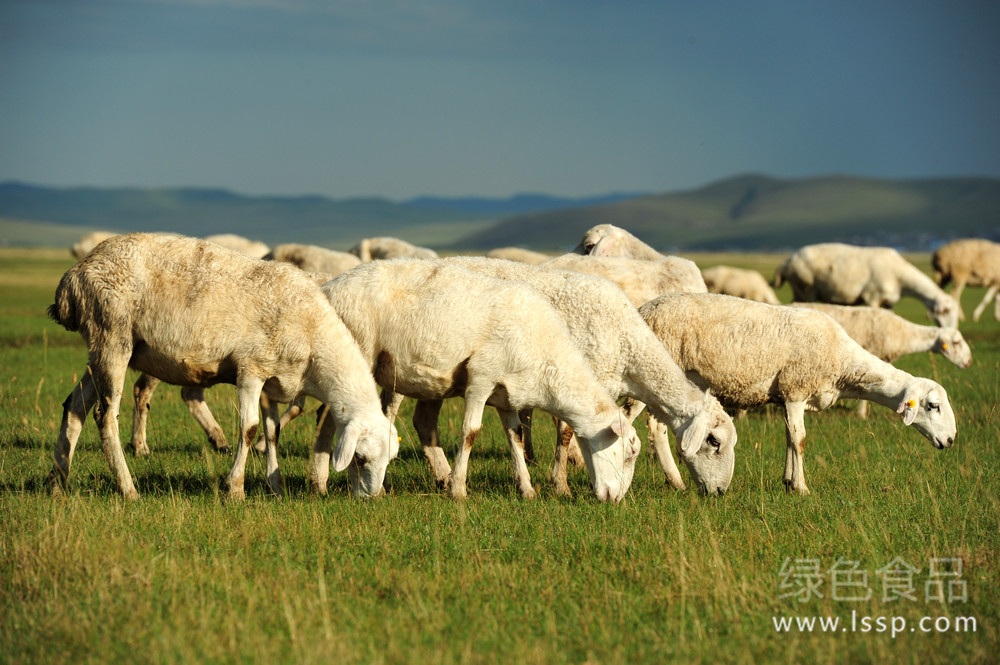
Sheep "craving green grass" disease occurs frequently in spring, sheep farmers must prevent it in advance
"Craving green grass" is also a disease; beware of sheep "craving green grass" disease in spring
-
Prevention and Treatment of Vitamin Deficiency in Pigs in Late Winter and Early Spring
In late winter and early spring, pigs are prone to vitamin deficiency. The main reason is that green fodder is still relatively scarce; in addition, some pig farmers provide a single, unbalanced feed, and the pig houses lack sunlight and ventilation, so pigs are susceptible to vitamin deficiency in spring. The prevention and treatment methods are described below: Vitamin A deficiency. Symptoms: dry skin, dull coat, indigestion, reduced appetite, slow growth. In some cases, vision is weakened and the nerves are disturbed. In severe cases, spasms, circling, unsteady gait, incoordination of movement, and even paralysis of the hindquarters may occur. In sows
-
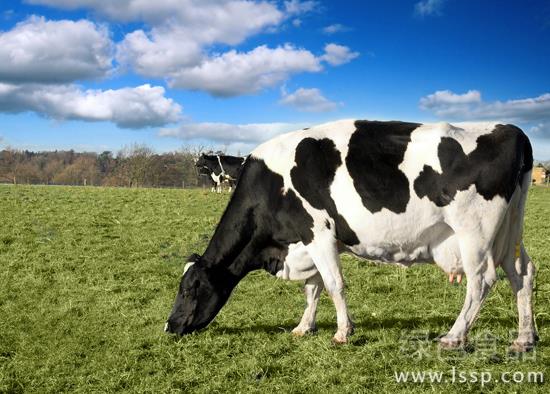
Be cautious when feeding silage to dairy cows in spring: master these feeding key points
Be cautious when using silage in spring: key points for feeding silage to dairy cows
-
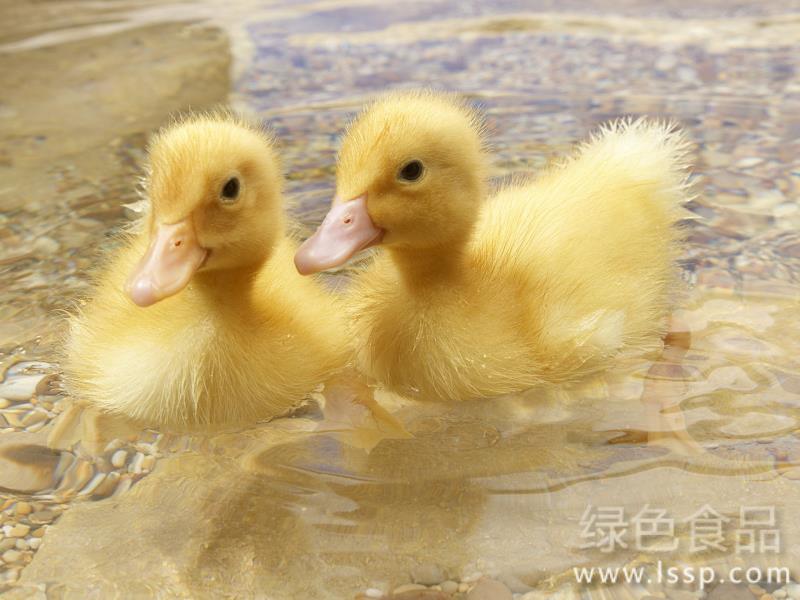
It is best to choose spring for brooding, and feeding management must also be done well
Spring is the best season for brooding; do a good job of brooding and feeding management
-
Warm weather gradually arrives in the third month of spring; prepare mulberry and silkworms without delay
The sluggish cocoon price market in 2007 affected silkworm farmers' enthusiasm for planting mulberry and raising silkworms to a certain extent. For farmers in the key sericulture townships of Chun'an County, planting mulberry and raising silkworms is still the main source of household income. Therefore, the author reminds the broad community of silkworm farmers to treat the sluggish cocoon market rationally and not to easily waver in their enthusiasm for raising silkworms. At present, it is necessary to seize the favorable opportunity to order enough good spring silkworm eggs, do a good job in mulberry field fertilization and management, and strive to make a comeback in the Year of the Rat. Relevant provincial experts believe that the sharp
-
Detailed Explanation of Key Technical Points for Lambing Assistance in Spring
Every year in February and March, it is the peak season for ewes giving birth. To assist ewes during lambing, four key points must be mastered: First, pre-lambing preparation. At this time the weather is turning warm but still cold, so a lambing room must be prepared before the ewe gives birth, keeping the temperature above 5°C, and disinfecting with 2%-4% Lysol solution or 15%-20% wood ash water. The floor of the lambing room should be covered with dry grass or sand to keep it dry. At the same time, some disinfectants (such as alcohol, iodine tincture, etc.) and other tools should be properly prepared. Second, normal delivery. When the ewe goes into labor, the lamb first
-
What are the spring control methods for sheep greedy-mouth disease?
In spring, sheep are prone to greedy-mouth disease. The reason is that after the long winter, the sheep lack nutrients in their bodies and are in poor condition; when they suddenly have young, tender, succulent green grass, it tastes especially sweet and delicious. But in early spring, the forage grass has just sprouted and turned green, and the amount of grass is very small, so they cannot fill their stomachs. The sheep would rather go hungry than eat dry grass and yellow grass anymore. Therefore, greedy-mouth disease occurs. This disease can cause sheep to lose weight and become thin and weak due to long-term hunger, affecting growth and health. Prevention methods: First, avoid green grass early in spring, try to avoid grazing on young tender green grassland, and wait until the green grass grows to about 10 cm
-
Safe Transport Methods and Precautions for Spring Fish Stock
Early spring is the season for releasing fry and fingerlings, and transporting fry and fingerlings between locations has become an important part of shallow-water aquaculture production. Transport must be safe and efficient, and the survival rate during transport must be ensured and improved. When selecting fingerlings, choose those with thick flesh on the back and tail, a robust body, bright coloration, intact scales and fin rays, no wounds or parasites on the body surface, active swimming in the net cage, a strong ability to swim against the current, and that gather densely in one spot of the cage with heads down and tails up, straining against the water flow. Fry and fingerling transport plastic bags
-
Three Major Disease Prevention and Treatment Methods for Pond Fish in Spring and Summer
1 Carp Hemorrhagic Disease 1.1 Symptoms and Causes The scales on the abdomen of the diseased fish, the fin rays and the caudal peduncle become congested and red. The diseased fish float up close to the ice layer or float on the water surface, gather in groups and swim slowly near the pond edge, and gradually die. ① Hemorrhagic septicemia. The diseased fish appear normal on the outside, or the area under the abdominal scales is congested and red. When the diseased fish is dissected, blood-tinged fluid emerges from the body cavity, and the internal organs have petechial hemorrhages. The disease is caused by Aeromonas hydrophila. ② Brown blood disease (hemorrhagic gill disease). The gill filaments of the diseased fish swell and become dark in color, and some gill filaments
条件筛选