-

Lifetime ban on food crime offenders must be fully implemented with no blind spots
Ensure "lifetime ban on food crime offenders" leaves no blind spots
-

-
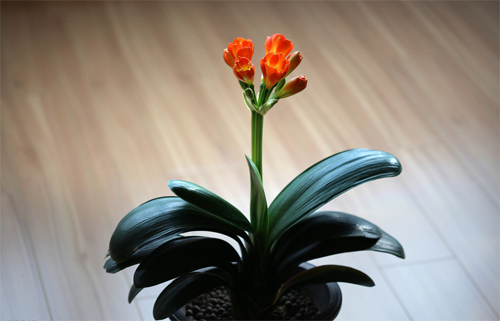
What to Do When Clivia Leaves Turn Yellow, Develop Spots, and Grow Unevenly
Clivia is very common, but many people run into a lot of problems when growing it. During cultivation, the leaves can turn yellow, develop spots, look as unsightly as can be, and even grow unevenly. So what should be done?
-
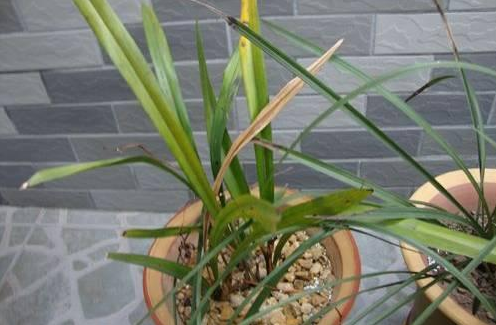
What to Do When Orchid Leaves Turn Yellow, Wither, Develop Disease Spots, and Roots Rot
When it comes to the orchid, this is a plant that many people absolutely adore. Just hearing the name conjures up elegance, but keeping an orchid thriving is no easy task. Let's take a look at why orchid leaves turn yellow, wither, and roots rot. What to do when orchid leaves develop spots: Why leaves turn yellow
-
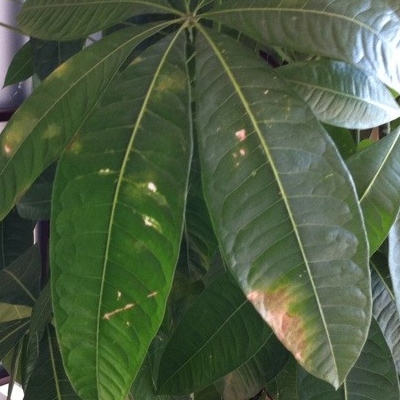
What to Do When a Money Tree's Leaves Get Spots and Leaf Blight
Money tree (Pachira aquatica) is something many people absolutely love. Isn't the name super auspicious? Let's take a look at what to do when a money tree's leaves get spots. What to do about money tree leaf blight: What to do when a money tree's leaves get spots: Leaf spot disease is very easy to identify. At the beginning, dark brown or brown spots appear on the leaves.
-
How to prevent rust-colored spots on mushroom caps
This is generally caused by failing to open doors and windows promptly for ventilation after watering, which makes the humidity in the mushroom house too high; water droplets then collect on the cap surface for a long time, producing rust-colored spots in localized areas. Rust-colored spots resemble bacterial spots, but they are limited to the surface. Preventive measures: open doors and windows for ventilation on schedule or when the weather is suitable, bring in fresh air, and evaporate the moisture on the surface of the mushrooms.
-
What causes patchy bald spots (mycelial baldness) in oyster mushroom mycelium?
In the growing substrate, some areas grow mycelium while others do not, or the surface grows mycelium but the inside of the substrate does not; this is called "patchy baldness." The main causes are too much water when mixing the ingredients or uneven mixing, inadequate moisture adjustment, substrate blocks that are too large, too thick or too tightly packed, and poor ventilation or excessive temperature after spawning. Prevention and control methods: add water in the right amount, mix the ingredients evenly, do not make the blocks too large, too tight or too thick, and check the substrate temperature frequently to prevent the substrate from overheating through its own fermentation. If "patchy baldness" occurs due to overheating, respawn in time; if it is caused by moisture
-
Many holes and black spots on new cotton leaves? Watch out for tarnished plant bug damage
A text message from mobile phone 139****8164: There are many small holes and many small black spots on the new cotton leaves. What is going on? What pesticide should be used? Answer: It is very likely caused by the piercing-sucking damage of the tarnished plant bug. When the tarnished plant bug pierces and sucks at the growing point at the top of the cotton plant, it causes tissue necrosis and forms needle-point-like black spots. Later, as the healthy tissue grows, irregular holes form in the leaves (their edges heal well, which distinguishes them from perforation caused by disease). The tarnished plant bug is a pest that occurs frequently and in large numbers in cotton production in recent years,
-
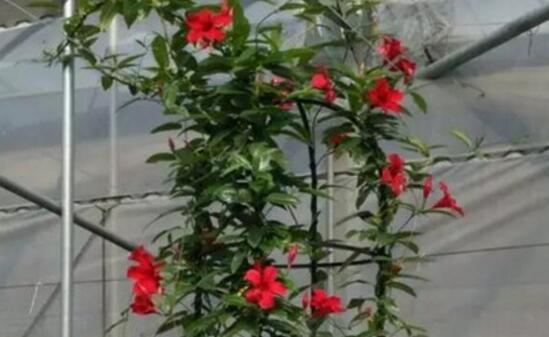
Necessity of pinching and topping Dipladenia, and why it only climbs without blooming, develops brown spots, and has yellow leaves
It is well known that Dipladenia has a relatively long blooming period among plants, but some people find that even in summer Dipladenia does not bloom, while its vine growth is unaffected. So why does Dipladenia only climb without blooming? What are the reasons Dipladenia does not bloom? Here the editor will answer them one by one for everyone.
-
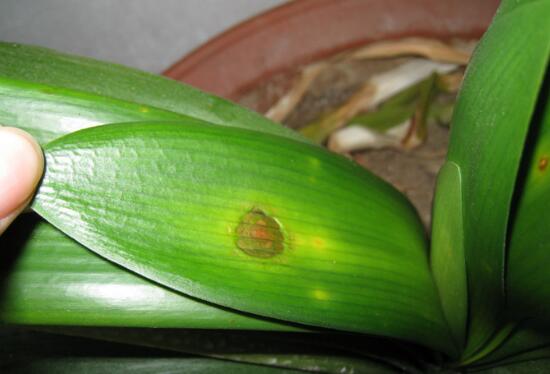
What to Do When Clivia Leaves Develop Spots? Spraying Fungicide, Changing Soil, and Reasonable Fertilization Are Key
The benefits of growing Clivia are something anyone who has kept one will deeply appreciate. Its leaves are thick, fleshy, and emerald green, making it highly ornamental, and it also has good feng shui significance, making it very suitable for indoor growing. However, during cultivation, for various reasons, the plant's leaves can develop spots. So what should you do when Clivia leaves develop spots? In response,
条件筛选