-

What to Do About Rotting Seed Pieces and Dead Seedlings in Yam Planting? Causes and Solutions
During yam cultivation, rotting seed pieces and dead seedlings often occur. This is due to growers' lack of experience or non-standard planting techniques. When this happens, yam yields decrease year after year. So what are the causes of dead seedlings and rotting seed pieces in choy sum?
-
What to Do About Rotting Bean Sprouts? Detailed Explanation of Causes and Solutions
Sprout vegetables are one of the traditional vegetables that the people of our country love to eat, and the most common one in our daily lives is bean sprouts. There are many varieties, and during the cultivation of bean sprouts, rotting sprouts can occur, causing huge losses to bean sprout yields. So how should rotting bean sprouts be
-
The latest water lily leaves turning black and rotting, what is going on?
The water lily is quite ornamental with its elegant posture and brilliant, delicate flowers. If grown in a pot, when the flowering season arrives in summer, it not only brings us a delightful experience but also has a strong wild charm. But when growing water lilies in summer, you must pay attention to the method, otherwise the plant is relatively prone
-
Why Is My Impatiens Rotting at the Roots? An Analysis of the Latest Causes
Impatiens is a flowering plant that many people are quite familiar with. It is also grown on a large scale in China, but when growing impatiens, it is still quite easy for some problems to arise. Root rot is one of them, and impatiens root rot can seriously affect
-
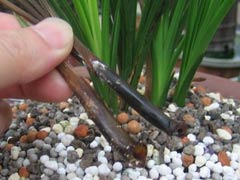
Why Are Orchid Shoots Rotting? Cause Analysis and Prevention Methods
Many orchid growers may encounter rotting orchid shoots, that is, rotting new shoots of orchids. As long as you look carefully, it is not hard to find the cause. Generally speaking, there are 6 main reasons for rotting orchid shoots, such as water entering the shoot core, bruising, and pest damage. Below we will analyze the reasons in detail:...
-
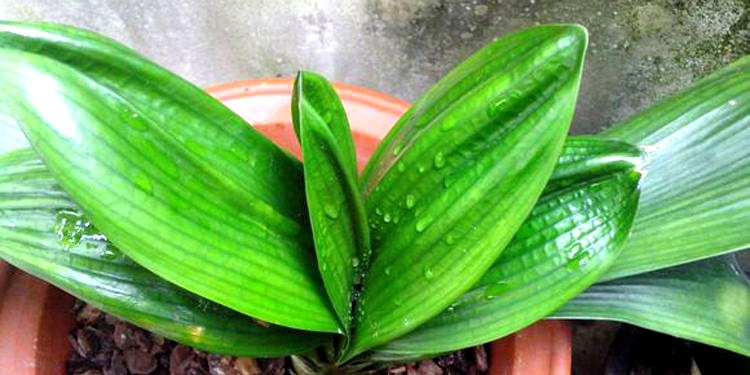
A Clivia Grown for 5 Years Rotting to Nothing but the Pot After Misting the Leaves
People who grow flowers probably all keep a small spray bottle handy, and when they feel a bit industrious, they give the leaves a few sprays, making them look crystal clear. But when caring for Clivia, never mist the leaves, as it easily causes root and heart rot, and the result is rotting until...
-
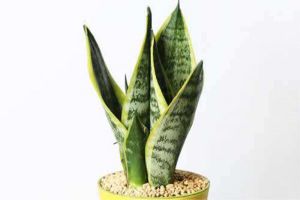
Causes and Solutions for Rotting Leaves on the Golden-Edged Snake Plant
The golden-edged snake plant (Sansevieria trifasciata 'Laurentii') has become a very popular houseplant in recent years, generally grown for its foliage, but if its leaves rot, it can be a real headache. So how should this be handled? First, you need to identify the cause, then apply the corresponding method to deal with it. Specifically, if it has been exposed to cold, remove the rotten leaves and move it to a warm place; if there is too much water, cut off the rotten roots and leaves and control the amount of water; if the potting soil is not breathable enough, replace the soil; if too much fertilizer has been added, add water to dilute it.
-
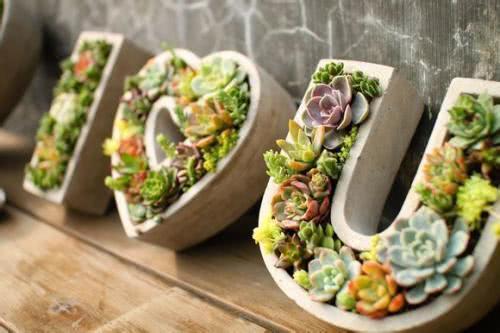
Summer is here. Master this one trick to keep your succulents from rotting at the roots
Summer is coming, and small potted succulents are once again appearing in our lives. In recent years, succulents have become very popular, not only because they are cheap but also because they are small and beautiful. According to partial statistics, there are about 1...
-
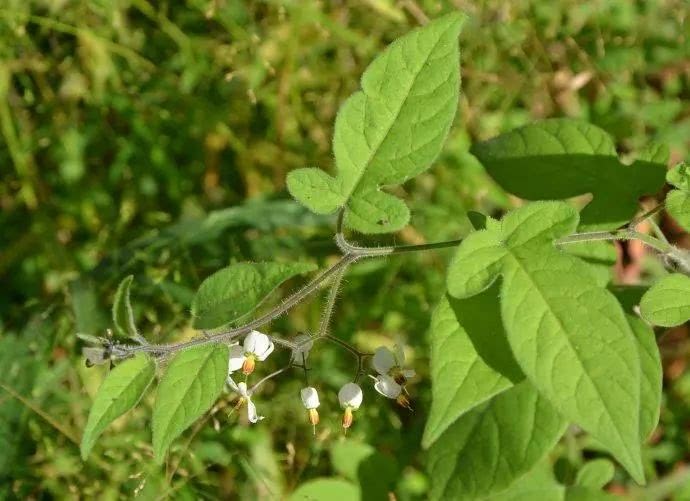
The fruit of the "thousand-year unrotting heart" looks like a cherry, yet farmers pull it up as a weed, unaware of how precious it is
Friendly reminder: Hemu Report aims to share and popularize information about various plants and their uses, for reference only. If medicinal use is needed, it is recommended to consult a professional physician to avoid problems! As the saying goes: "The whole year's work depends on a good start in spring." Right now is the busy season in rural areas...
-
Blackened, reddened or rotting fish gills are not to be taken lightly - beware of infecting other fish
Columnaris disease is a common and frequently occurring disease caused by Flavobacterium columnare. This disease is highly harmful to goldfish and koi. Foreign reports indicate that dozens of fish species can be affected, including Salmonidae, Cyprinidae, Catostomidae, Ictaluridae, Centrarchidae and Carangidae...
条件筛选