The fruit of the "thousand-year unrotting heart" looks like a cherry, yet farmers pull it up as a weed, unaware of how precious it is
Friendly reminder
Hemu Report aims to share and popularize information about various plants and their uses, for reference only. If medicinal use is needed, it is recommended to consult a professional physician to avoid problems!
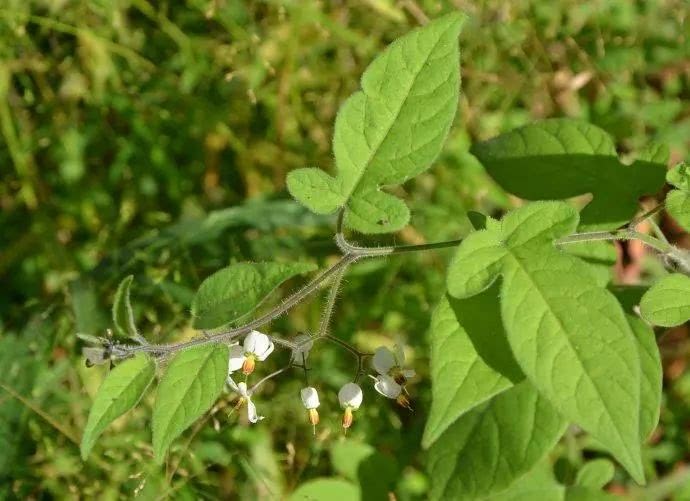
As the saying goes: "The whole year's work depends on a good start in spring." Right now is the busy season in rural areas. Farmer friends are busy with all kinds of work in the fields, preparing the soil, irrigating, weeding and so on, hoping that their hard work will bring a year of good harvest. So all kinds of weeds by the fields are pulled up without mercy. But many farmers do not know that some weeds are highly useful. For example, this common vine-like wild grass near farmland is actually a precious medicinal herb, and it is really a pity to just hoe it away.
Many rural kids have probably seen this wild grass. When its fruit ripens, it turns a translucent red, glistening, much like the small cherries in the countryside. When I was little, I often picked it to play with. Even though it looks beautiful, it cannot be eaten. Out of curiosity as a child, I tasted one, and it was extremely bitter, truly wasting such high "looks." Only later did I learn why it is so bitter, because its name is "bitter eggplant," so of course it is bitter! Did you also do this kind of "silly thing" as a child?
Bitter eggplant has another name, "thousand-year unrotting heart." Its medicinal value is very high, and it is extremely precious. In the "Shennong Bencao Jing," it is listed as a top-grade herb. Its leaves, vines, fruit and roots can all be used as medicine, each with different effects. The leaves have the effect of stopping bleeding and removing toxins. Ground into powder and applied externally, they can treat traumatic bleeding. The vines can treat infantile convulsions, and the fruit can improve eyesight, with good effects on red eyes and toothache. In addition, its root is the most valuable. It has strong vitality and can still send out new branches after being cut, which is why it has the alias "thousand-year unrotting heart."
In the "National Compilation of Chinese Herbal Medicine," the effects of bitter eggplant are mentioned: "Clearing heat and detoxifying. Mainly treats malignant sores, scabies, esophageal cancer, uterine cancer, breast cancer and traumatic bleeding." According to modern medical research, 11 compounds can be isolated from bitter eggplant, which have antibacterial effects. Clinically, it is used to treat colds and fever, cholecystitis, gallstones, icteric hepatitis, nephritic edema, uterine cancer, lung cancer and other conditions, with a certain auxiliary therapeutic effect. (Information comes from the internet. If you need to use it, please consult a professional doctor first.)
Dear readers, do you know bitter eggplant? Next time you see it, do not hoe it away as a weed!
Text/Hemu Report, Images/Internet
If you like Hemu's articles, you are welcome to follow