-

Jade bell belongs to the Crassulaceae family; let us introduce you to this plant
Jade bell, a succulent plant of the Crassulaceae family and the Kalanchoe genus, also called a succulent plant, with the alias foreign bell. This species prefers a warm and cool climate environment and is not tolerant of high temperatures and strong sun. Its leaves are brilliantly colored, its form is flower-like, its plant form is attractive, and its fibrous roots are peculiar, giving it extremely high ornamental value. It is native to the dry, sunny areas of Madagascar
-

How to tell if a Phalaenopsis orchid's roots have aged? Beginners can tell at a glance with these few points
The orchid roots at home look listless - is it lack of water or aging? In fact, root aging is a normal part of Phalaenopsis growth, but if you can't tell the difference, treating aged roots as healthy roots, or mistaking healthy roots for aged roots and cutting them off, can easily harm the plant. Today let's talk about how to use the three tricks of "look, touch, pull"
-
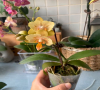
How to rescue a Phalaenopsis orchid after its roots are broken so it can survive?
As is well known, Phalaenopsis orchids have won the hearts of many flower lovers with their outstanding flower shapes. However, when it comes to care, not everyone knows how to do it. The most common problems are waterlogging caused by too much watering, and root suffocation caused by too strong a fertilizer dose. No matter what your current situation is, when dealing with rotten roots, you should immediately
-

What is good to use for growing new roots on Phalaenopsis orchids? Methods to promote root growth
Fellow orchid growers, do you always keep your eyes on the buds and leaves but ignore the roots? You should know that only when the roots are well grown can the Phalaenopsis thrive! How do you get a Phalaenopsis to sprout plump white new roots, and what can you use to make the root system stronger? Why Phalaenopsis doesn't grow roots. Phalaenopsis roots fear stuffiness, waterlogging and cold the most. If the pot
-

How to Grow Phalaenopsis with Few Roots So It Develops a Vigorous Root System
Behind the elegant flowers of the Phalaenopsis orchid lies the support of a strong, well-developed root system. During care, many growers run into the problem of a Phalaenopsis having few roots, which not only affects the plant's growth but may also hinder flowering. So how exactly can you get a Phalaenopsis with few roots to produce more roots and thus develop a vigorous root system? First,
-

How many types of roots does a Phalaenopsis orchid have? A detailed explanation of root functions
In the vast and diverse world of flowers, beyond its stunning blooms, the Phalaenopsis orchid's root system is equally full of mystery. These roots of varying forms are not only key to the plant's survival but also carry unique biological functions. From appearance and function, Phalaenopsis roots can mainly be divided into aerial roots and underground roots, but as a typical
-

Reasons Why Phalaenopsis Produces No New Roots and How to Fix It
Phalaenopsis, an orchid native to the tropics. However, sometimes we encounter the problem of a Phalaenopsis producing no new roots, which not only affects the health of the plant but may also lead to weak subsequent growth, difficulty blooming, gradual decline, and even death. Understanding the reasons behind this and taking effective measures is the key to saving the Phalaenopsis. Phalaenopsis
-

What are the signs of underwatering in Phalaenopsis orchids? Learn to tell from the roots
As an epiphyte, the Phalaenopsis orchid's roots not only absorb nutrients and water but also carry out photosynthesis. Correctly judging whether the roots are short of water is a key skill in orchid care. Only by understanding the signs of underwatering in Phalaenopsis can you supply water in time and keep the plant growing healthily. Judging by the appearance of the roots
-

How Long Does It Take for a Rootless Phalaenopsis to Grow Roots in Water? A Detailed Guide to Hydroponic Growing
When faced with a rootless Phalaenopsis, many people wonder whether it can grow new roots and come back to life through hydroponics, and exactly how to do it. Next, we will unveil the mystery of hydroponically growing a rootless Phalaenopsis. The rooting time for a rootless Phalaenopsis in water is not fixed, but is affected by a combination of multiple factors.
-
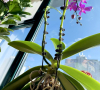
Phalaenopsis new roots growing out of the pot and very few roots, how to care for it?
Did you know? The reason the Phalaenopsis has such an elegant posture is entirely because it relies on its own beauty to attract insects' attention for pollination, especially at night, when its petals appear to insects as a radiant glow. Therefore, orchids are a unique presence in the floral world, and their care also differs from other common flowers, whether in terms of soil,
条件筛选