-

How to Grow Phalaenopsis with Few Roots So It Develops a Vigorous Root System
Behind the elegant flowers of the Phalaenopsis orchid lies the support of a strong, well-developed root system. During care, many growers run into the problem of a Phalaenopsis having few roots, which not only affects the plant's growth but may also hinder flowering. So how exactly can you get a Phalaenopsis with few roots to produce more roots and thus develop a vigorous root system? First,
-

What are the signs that a Phalaenopsis orchid has no aerial roots? Learn how to tell whether it has aerial roots
The Phalaenopsis orchid is a highly favored ornamental flower, and its distinctive aerial roots are not only an important morphological feature but also a key indicator of healthy plant growth. Knowing how to judge whether a Phalaenopsis orchid has aerial roots, and what it looks like when aerial roots are lacking, is crucial for growers. How to judge whether a Phalaenopsis orchid has aerial roots
-
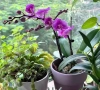
What is the difference between Phalaenopsis roots and crystal tips?
Beginners at growing flowers often can't tell Phalaenopsis roots and crystal tips apart. In fact, as long as you remember these few little tips, you can distinguish them at a glance. 1. Notable differences in position. The roots of Phalaenopsis are distributed quite flexibly on the plant, with no fixed growth points. They sprout from multiple parts such as the base of the stem, extending freely around the plant, searching for suitable
-

What kind of soil do Phalaenopsis roots like, and what functions do they have?
More than half of April has passed, and the weather is gradually shifting from cool to hot. At this time, the sky usually gets bright very early in the morning, making people not want to stay in bed, thinking they should not waste the good weather, so they roll up their sleeves and start caring for the flowers and plants on the balcony. Among them, a flower enthusiast said in a private message to the backstage: "I really enjoy observing the roots of Phalaenopsis, especially those slender white root tendrils. Each one feels especially powerful. Sometimes I wonder, how do they supply vitality to the Phalaenopsis?"
-
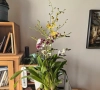
How to keep a Phalaenopsis alive when it has few roots? Care tips for bare-root seedlings
If you have just gotten a bare-root Phalaenopsis, don't worry. Master these three root-growing methods, and even beginners can grow a mass of roots. 1. Soaking method 1. On the first day, put clean water in a container and soak the roots completely for 12-24 hours. 2. On the second day, pour out the water and gently wipe the moisture from the surface of the roots with a paper towel. Notes: In summer, let it dry in a ventilated place for 5-7 days, and the roots
-

How Long Should Phalaenopsis Roots Be Before Transplanting? Master the Best Root-Inducing Methods
Phalaenopsis is known as the "Queen of Orchids," and its elegant flower form and brilliant colors make it a favorite among many flower enthusiasts. In the care of Phalaenopsis, root induction and transplanting are key steps that directly affect the plant's growth and subsequent flowering. The root induction time for Phalaenopsis varies depending on the method, environmental conditions, and individual differences.
-

Can Phalaenopsis orchids be disinfected with potassium permanganate? There are rules about how much to trim the roots
Visiting flower markets in different regions, the common point of most shops is that they all stock this darling, the "Phalaenopsis orchid." At the same time, the variety of styles to choose from is beyond imagination, from mini types to large flowers, there is everything you could want, and they are extremely lively and graceful. However, to protect their beautiful appearance, there are many secrets to pay attention to in terms of care. Recently
-

What color are Phalaenopsis roots, and what happens without ventilation?
In the gardening community, Phalaenopsis (moth orchid) has won the affection of a large group of flower lovers with its elegant posture and colorful blooms. But did you know? Phalaenopsis actually hides a few little secrets related to health, and that is its green roots. When it comes to care, don't underestimate these green roots, for they are a sign of the Phalaenopsis's vitality.
-

What to Do When the Roots of a Phalaenopsis Orchid Are Eaten by Insects? Here's the Correct Way to Handle It
When the roots of a Phalaenopsis orchid are attacked by pests, it seriously affects its growth and health. Below is a detailed guide to handling borer-damaged Phalaenopsis roots, to help growers deal with this problem effectively. First, when the Phalaenopsis shows abnormal growth, such as yellowing leaves, wilting or slow growth, you should suspect its root system
-

What to Do When Phalaenopsis Roots Are Shriveled and Dry? Find the Cause and It's Easy to Fix
Many flower lovers who want to grow Phalaenopsis well will buy specialized books to study, but in reality, the problems they encounter every day are always new ones, and growing Phalaenopsis well always leaves people baffled. These main reasons are entirely related to the fact that Phalaenopsis grows in tropical rainforests, so it is inherently different from other ordinary flowers; it is not drought-tolerant
条件筛选