-
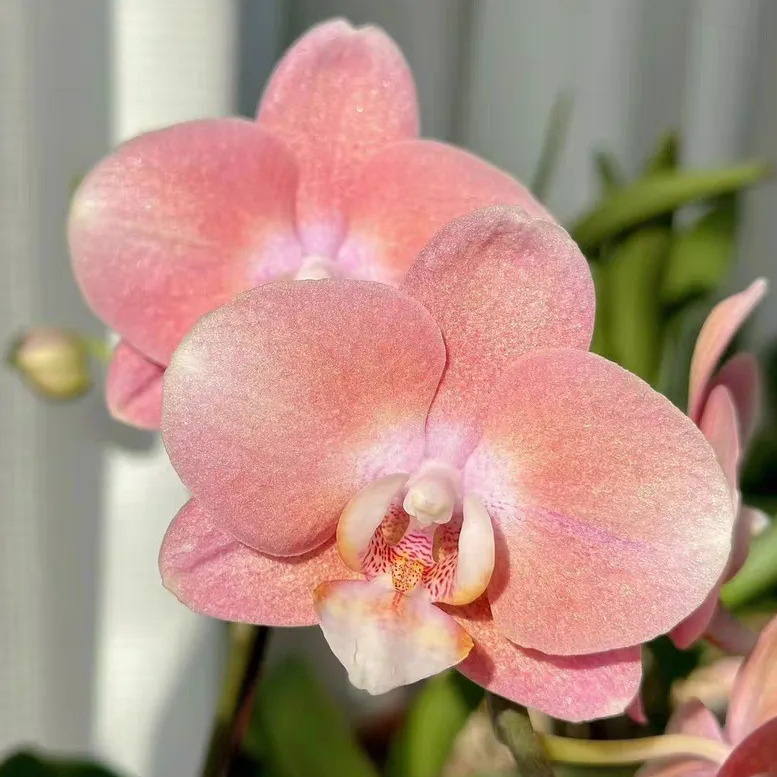
What's the matter with the hollow roots of Phalaenopsis orchids?
When cultivating Phalaenopsis orchids, the most dreaded situation is encountering hollow roots! You look at a seemingly healthy orchid, and when you check its
-
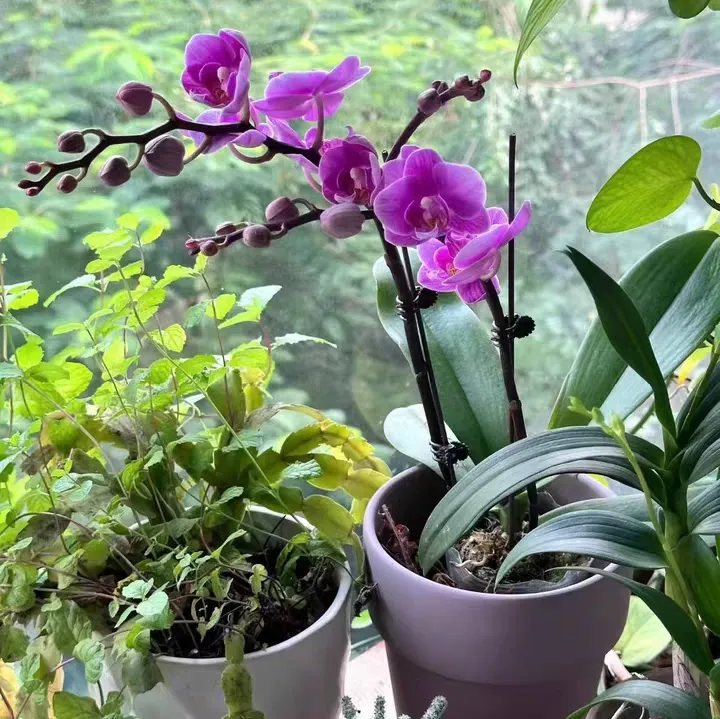
The differences between the roots of Phalaenopsis orchids and the "crystal tips" of their roots.
Novice flower growers often have trouble distinguishing between the roots and the crystal tips of Phalaenopsis orchids. In fact, as long as you remember these
-
Causes of and Solutions for Hollow Roots in Phalaenopsis (Moth Orchids)
The worst thing when growing Phalaenopsis is discovering hollow roots! A perfectly healthy orchid, and when you pull it open to take a look, the roots are all hollow - what a heartbreak. In fact, hollow roots are always the result of care details that were not done properly. Below is a summary of several common causes. 1. Watering - watering is absolutely the "number one killer" behind hollow roots in Phalaenopsis! Water too frequently, and the medium stays constantly soggy,
-

What harm does overwatering cause to Phalaenopsis orchids, and does it easily lead to root rot?
Many beginners, out of affection for their Phalaenopsis orchids, often unconsciously water them a little too much, not realizing that this seemingly "caring" gesture may bring many harms to the orchid, and may even endanger its life. Among these, the root rot caused by overwatering is especially serious. Phalaenopsis orchids originate from tropical rain
-

Is it better for Phalaenopsis potting medium to be dry or wet, and will keeping it constantly moist cause root rot?
Phalaenopsis is a popular choice in home gardening, yet during care, the degree of dryness or moisture in the potting medium has always been a challenge. So is it better for Phalaenopsis potting medium to be dry or wet? Will keeping it constantly moist really cause root rot? The answers to these questions directly relate to the growth and health of Phalaenopsis. Phalaenopsis belongs to the epiphytic Orchidaceae
-

How to use a root-control pot for Phalaenopsis orchids in the best way? Plus the simplest handling method
Phalaenopsis orchids can be said to be the flower that many flower stall owners choose as the star C-position pick, and the most easily overlooked part of their care is the "flower pot." Among the many pots, root-control pots have recently appeared, and this kind of pot is tailor-made for Phalaenopsis orchids in both design and breathability. So, in terms of care, what should be noted when using a root-control pot for Phalaenopsis orchids
-
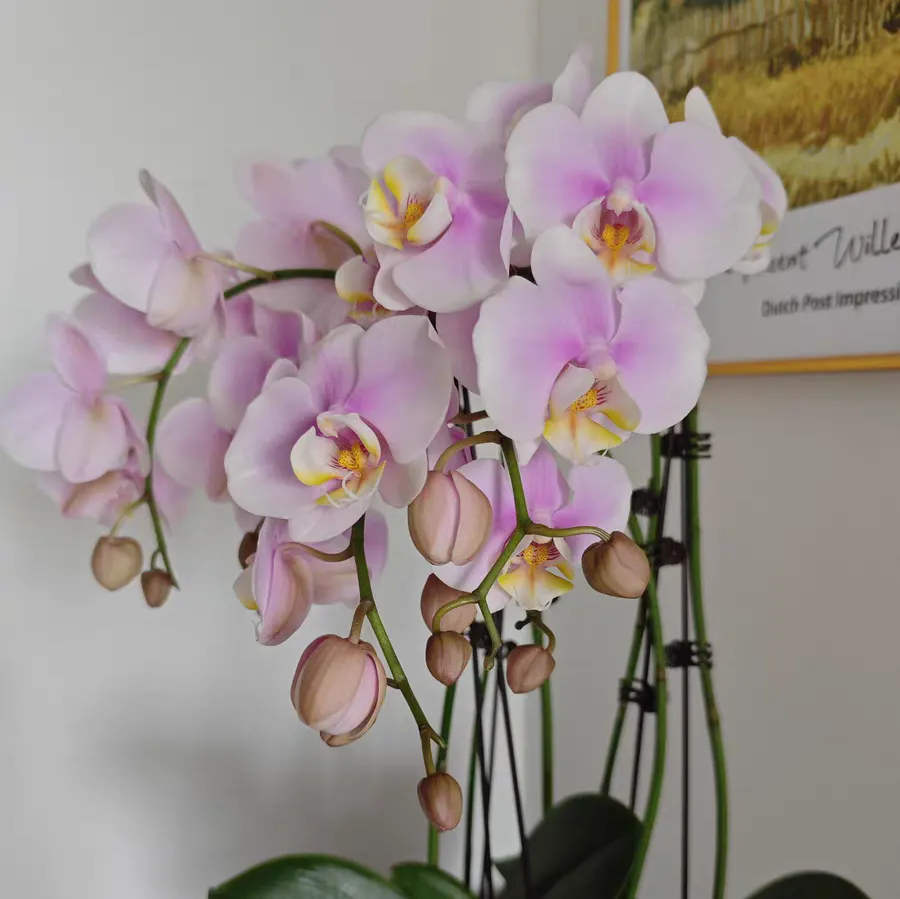
Why do Phalaenopsis orchids need to have their roots air-dried?
The fleshy aerial roots of Phalaenopsis orchids are most afraid of waterlogging and pathogen infections. Air-drying the roots can make the pruned wounds dry
-
Reasons and Methods for Air-Drying the Roots of Phalaenopsis (Moth Orchids)
The thick, fleshy aerial roots of Phalaenopsis are most vulnerable to waterlogging and pathogen infection. Air-drying the roots allows the wounds from pruning to dry quickly and form scabs, reducing the risk of black rot, while also regulating root moisture to suit care needs across different seasons. 1. Air-drying after pruning: 1. Root trimming: Use sterilized scissors to cut off brown, soft, rotten roots and hollow roots, keeping the healthy
-
What is the principle of the root - scalding method?
When you buy fresh flowers and bring them home, do you often encounter the situation where they wilt the next day? Today, I'll teach you a super practical
-

What kind of soil do Phalaenopsis roots like, and what functions do they have?
More than half of April has passed, and the weather is gradually shifting from cool to hot. At this time, the sky usually gets bright very early in the morning, making people not want to stay in bed, thinking they should not waste the good weather, so they roll up their sleeves and start caring for the flowers and plants on the balcony. Among them, a flower enthusiast said in a private message to the backstage: "I really enjoy observing the roots of Phalaenopsis, especially those slender white root tendrils. Each one feels especially powerful. Sometimes I wonder, how do they supply vitality to the Phalaenopsis?"
条件筛选