-

What causes root rot in the ZZ plant?
Improper watering Usually, when the ZZ plant is overwatered, it leads to root rot. The ZZ plant itself likes slightly moist soil, and the potting soil should not be too dry, but if it is watered too much, it will suffer from root rot. This is because when overwatered, the potting soil is very likely to become waterlogged
-
What to Do If Your Peperomia Rotundifolia Has Root Rot? Here's the Correct Way to Handle It
You should deal with it according to how severe the root rot is. If it looks like the picture below, it can still be saved. If the root rot is severe and both the stems and leaves have rotted, there is nothing you can do. First, take the Peperomia rotundifolia out of the pot, then rinse it clean, cut off the rotted parts, then leave it in a cool, ventilated place for 1 hour until the wounds heal
-
What causes root rot in Monstera deliciosa
Overwatering: When growing Monstera deliciosa, it needs a warm and humid growing environment. Because Monstera deliciosa is relatively afraid of drought, it needs plenty of water when being grown, but if it is watered too much, water will accumulate in the pot, and then root rot will occur. Overfertilizing: Monstera deliciosa is a plant that likes fertilizer
-
What causes root rot in pothos?
1. Temperature too low. Pothos is a plant that likes to grow in a relatively warm environment. Its temperature requirement is generally within 15°C to 25°C, but if it drops below this temperature and protective measures are not taken properly, pothos will develop root rot.
-
Causes of Root Rot in Pothos and How to Fix It
1. When root rot is caused by temperatures that are too low, the most important thing is to raise the temperature of their growing environment, give them more sunlight, or wrap them in protective film to ensure they have enough warmth to recover.
-
What to Do About Root Rot in Clivia? Here's the Correct Way to Handle It
First we need to remove the rotten roots: take the Clivia with rotten roots out of the pot, shake off the soil, rinse the roots clean with water, and trim away the rotted root system with scissors. If some leaves have turned yellow or gone limp, cut off the damaged leaves too.
-
What to Do When Hydrocultured Pennywort Leaves Turn Yellow and Roots Rot
1. Cause: If not cleaned for a long time, the leaves of pennywort become covered in dust, which hinders photosynthesis, reducing the nutrients the pennywort can supply to itself. A lack of nutrients causes the leaves to turn yellow. Solution: Regularly clean the dust off the pennywort leaves, apply fertilizer and nutrient solution often, and ensure sufficient nutrients.
-

Banyan tree roots only 40 cm deep, tree doctors find Daan Forest Park soil too hard
Tree doctors' checkup finds Daan Forest Park soil too hard, banyan roots only 40 cm
-
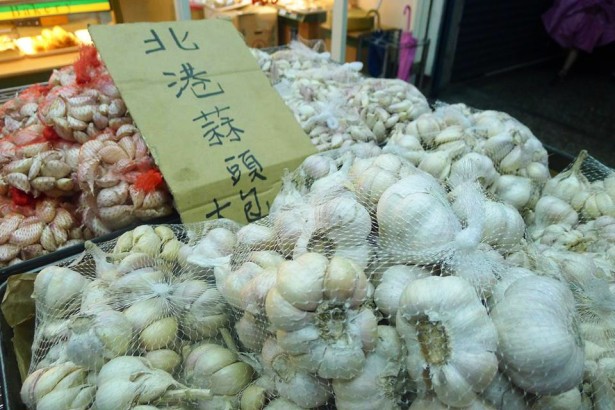
Garlic prices slump as wholesalers collude to drive prices down; government treats symptoms, not the root cause
Wholesalers collude to drive prices down; garlic prices slump; government treats symptoms, not the root cause
-
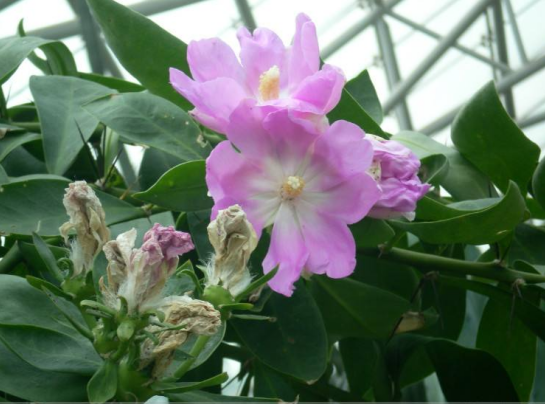
This plant can be used as a rootstock for grafting other plants
Pereskia, a primitive type of cactus, can be used to graft Christmas cactus, epiphyllum and ball cacti. Because of its strong cold resistance, well-developed root system and vigorous growth, it is often used as a rootstock for Gymnocalycium mihanovichii and other colorful cacti. However, since its stem is too thin, it is only suitable for grafting ball cacti of no great diameter. Grafting can improve the ornamental value of plants
条件筛选