-

How to rescue a sunburned Phalaenopsis orchid, and should the leaves be pruned right away?
Summer has quietly arrived. Today Guangdong recorded a high temperature of 37°C. When I left for work in the morning, I didn't have time to move the orchid to a shady spot, and by the time I got home in the afternoon, this pot of Phalaenopsis had a problem, most likely because the high LUX of summer sunlight directly sunburned the leaves. Generally speaking, after a Phalaenopsis is exposed to direct light
-

How to handle a Phalaenopsis right after removing it from its pot? Does it need to be sun-dried for a few days?
Friends who grow Phalaenopsis have surely encountered the time when they need to remove it from its pot. How to handle it after repotting, whether it needs sun-drying, and how long to dry it, these questions are all too common! After a Phalaenopsis is removed from its pot, never put it directly in the sun! Its roots are not as tough as those of other plants. They are that kind of white, tender, translucent aerial root. If placed directly in the sun, the water
-
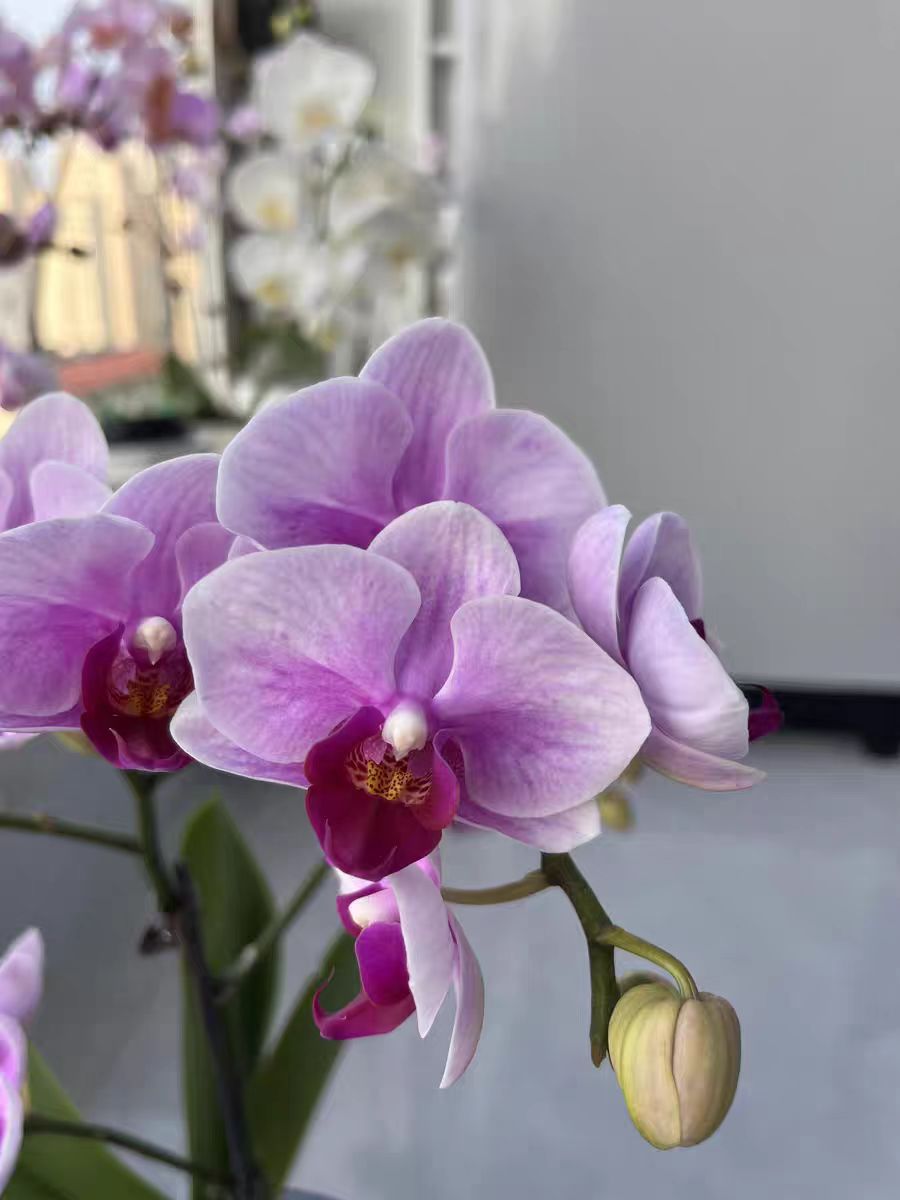
When is the right time to divide Phalaenopsis orchids?
Phalaenopsis orchids are popular in home gardening. As the plants grow, timely division and repotting can not only provide more space for their growth but also
-
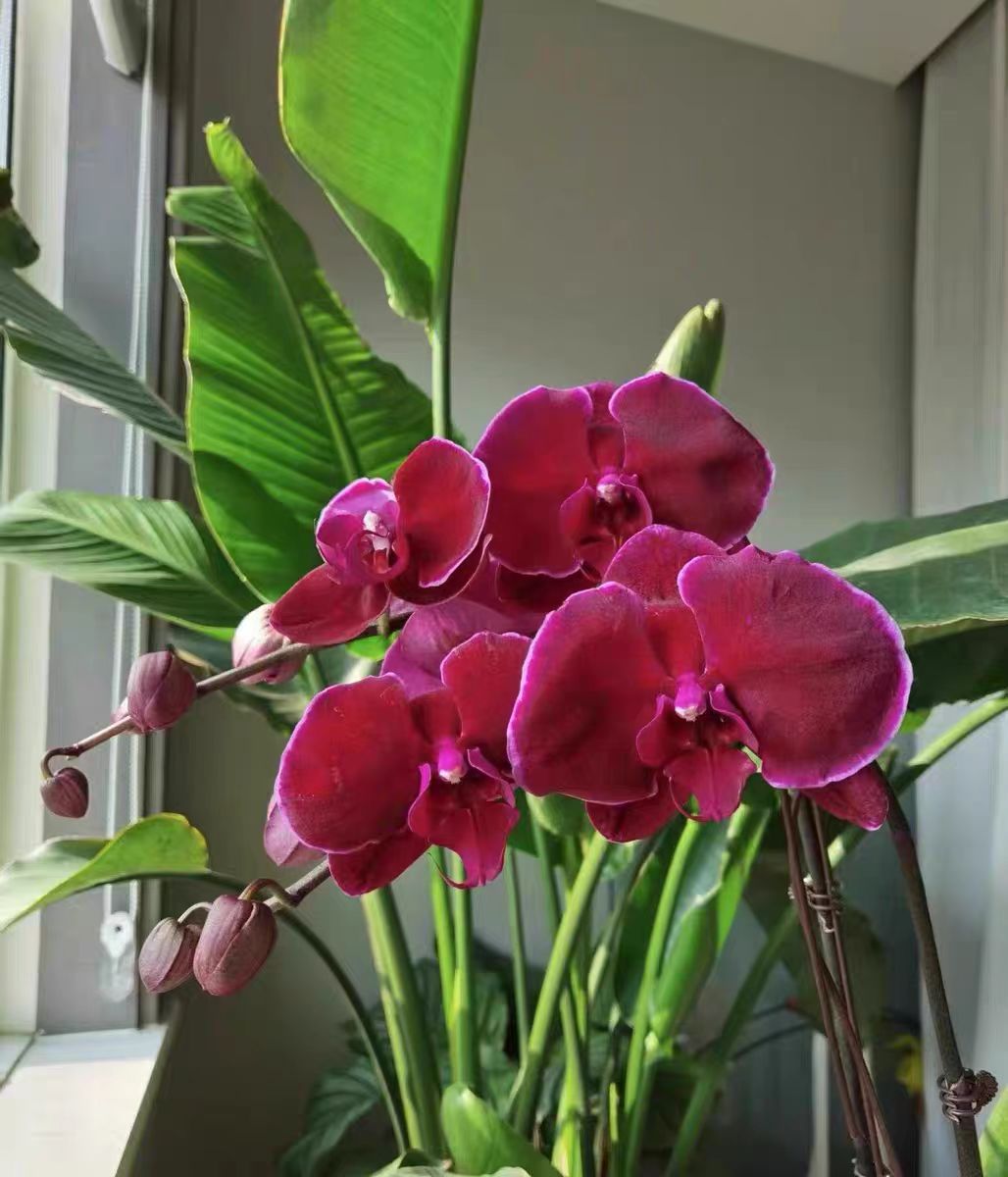
Can a Phalaenopsis orchid be planted right after its roots are trimmed?
When problems such as root rot and aging are found in the roots of a Phalaenopsis orchid, root trimming is a common rescue and maintenance measure. However,
-
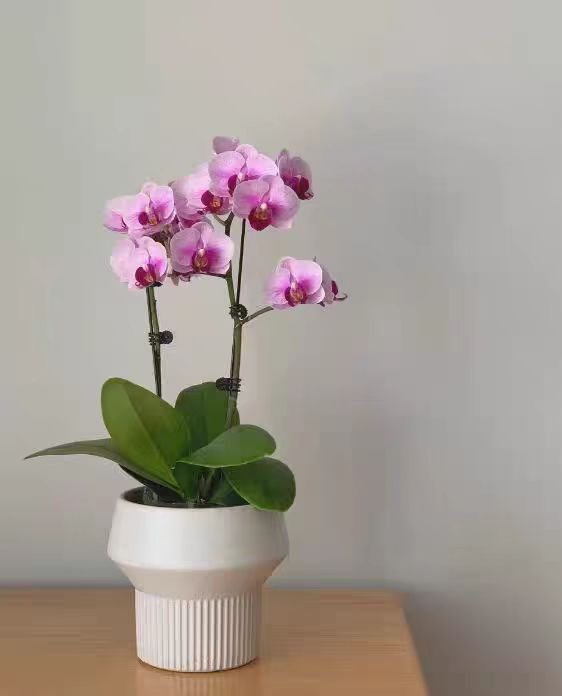
When is the right time to change the soil for Phalaenopsis?
For gardening enthusiasts, Phalaenopsis is undoubtedly a beautiful and popular flower. Its root system has unique requirements for the growth environment, and
-

How to Separate Phalaenopsis Keikis and the Right Size for Transplanting
When growing Phalaenopsis orchids, spotting a keiki on the plant means you have a chance to propagate a new plant. However, mastering the correct methods of separating and transplanting the keiki is crucial, as it determines whether the new plant can grow healthily. When the keiki of a Phalaenopsis reaches 2 - 3 cm in height and has at least one mature leaf
-

What to Do When Phalaenopsis Leaves Dry Out? Master the Right Watering Method
As an orchid with a delicate and graceful flower form, the Phalaenopsis requires extra careful attention in its care, because if the flowers become deformed or dry up, it will greatly affect the overall appearance. On the care journey, most flower lovers cannot reasonably grasp the watering rhythm. When the Phalaenopsis shows a state of being too dry, how should you water it correctly? Pha
-
How to rescue a Phalaenopsis orchid with root rot? Choosing the right potting medium is crucial
Anyone who grows Phalaenopsis orchids knows that the potting medium is very important for them. If too much water is accidentally poured onto the medium during care, or if too much fertilizer is applied, the soil's drainage will worsen and its aeration will suffer as well, and the end result is of course rapid decline of the plant. This is because Phalaenopsis is a plant with especially sensitive roots
-

What kind of environment suits Phalaenopsis orchids? A guide to choosing the right spot
Phalaenopsis orchids hold a special place in the hearts of many flower lovers. If you want your Phalaenopsis to bloom in its most beautiful form, choosing the right growing environment for it is the key first step. Phalaenopsis is native to tropical and subtropical regions and naturally loves warm conditions. The most suitable temperature for its growth is between 15 - 28
-
What Is the Best Time to Water Plants in Spring? A Detailed Guide to the Right Method
Do you always worry about when to water your plants? Don't worry, below we'll share super practical watering tips. Best watering time in spring: 9-10 a.m. In early spring, temperatures begin to rise, but the nights are still chilly. Choosing this time slot for watering means the water temperature is closer to the soil temperature, which lets plants
条件筛选