-

How to prevent and control the main pests and diseases of rhododendrons?
(1) Rhododendron diseases ① Brown spot: This is the main disease of rhododendrons. In the early stage of the disease, small brown spots appear on the leaf surface, then gradually expand into large dark brown patches, and many small black or grayish-brown dots are scattered on the lesions. Affected leaves turn yellow and fall off very easily, which not only affects flowering in the current year
-
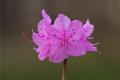
What flower is Rhododendron mucronulatum? Detailed guide to cultivation methods
What flower is Rhododendron mucronulatum? Cultivation methods for Rhododendron mucronulatum
-
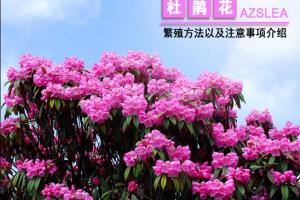
What are the propagation methods for rhododendrons? A detailed introduction to several approaches
Propagating rhododendrons in several ways: rhododendron propagation methods
-
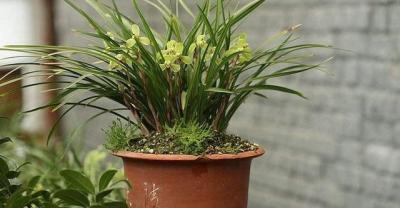
Plum blossom, winter daphne, cyclamen, camellia, orchid, and rhododendron all compete to announce the arrival of spring - which one do you love most?
Fresh flowers herald the coming of spring. Among plum blossom, winter daphne, cyclamen, camellia, orchid, and rhododendron, which flower is your favorite?
-
Detailed Guide to Planting Methods and Care Techniques for Rhododendron calophytum
Morphological characteristics: The plant is multi-branched, with a full crown and a compact form. Leaves are alternate. The inflorescence is a raceme-like umbel, with terminal flowers, usually 15-20 cm in diameter, and the flowers...
-
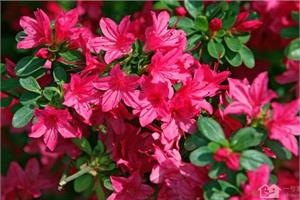
What are the growing environment conditions and care methods for rhododendrons?
Rhododendron growing environment conditions and how to care for rhododendrons
-

How to grow Rhododendron pulchrum? Cultivation methods and precautions
How to grow Rhododendron pulchrum
-
Is the horse cherry blossom a rhododendron? Introduction to Rhododendron delavayi
Evergreen shrub to tree, 2-15 m tall, up to 40 cm in diameter at breast height, bark grayish brown, thick, peeling in irregular flakes. Leaves leathery, oblong-lanceolate, densely covered on the underside with grayish white to light brown spongy thin tomentum. Flowering from February to May, terminal spherical umbels with 10-20 flowers, corolla bell-shaped, 3.5-5 cm long, fleshy, deep rose red, stamens 10, ovary 10-locular. Fruit ripens from October to November. Distributed in Yunnan, Guizhou, Guangxi and other provinces and regions, and also in Myanmar.
-
Rhododendron Bloom Control Techniques and Methods Explained in Detail
Rhododendron, also known as yingshanhong and juanhong, is divided into 4 categories according to flowering period and source of introduction: mao juan, xia juan, dong juan and xi juan, and the flowering period varies with the variety. If its temperature, humidity and other conditions are regulated artificially, the flowering time can be made earlier or later according to personal preference. 1. Forcing early bloom: Rhododendron flower buds generally begin to differentiate in autumn. In the cold winter season, move the rhododendron into a greenhouse for cultivation, maintain a room temperature of 20-25°C, and frequently spray water on the branches with a fine sprayer to keep humidity high
-
How to make and care for a rhododendron bonsai?
Rhododendron, also known as yingshanhong, is an evergreen or deciduous shrub of the genus Rhododendron in the family Ericaceae. The plant is much branched, with slender, straight branches bearing brown or brownish rough hairs. The leaves are simple and alternate, ovate-elliptic to needle-shaped, with acute or slightly blunt tips, and sparsely covered with brown stiff hairs on the surface. Several flowers cluster at the tips of the branches; the corolla is funnel-shaped, single or double, and comes in a rich range of colors including white, pink, red, purple and various bicolors. There are many varieties of rhododendron, broadly divided into four main groups: spring rhododendron, summer rhododendron, spring-summer rhododendron and Western rhododendron. Using it to make a bonsai gives the qualities of gnarled and
条件筛选