-
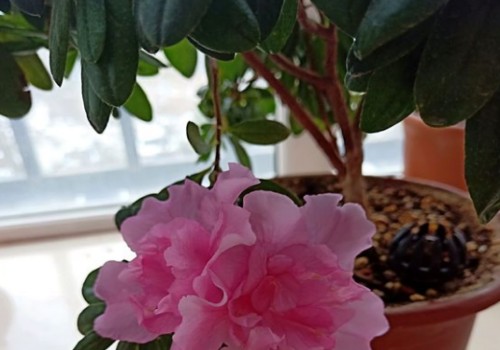
What fertilizer should be applied during the flowering period of rhododendrons to extend the flowering period?
Potted rhododendrons have limited space in the pot and relatively small nutrient reserves, so they need regular fertilizing. Rhododendrons themselves also quite like fertilizer, but fertilizing requires strictly controlling the concentration to avoid fertilizer burn caused by excess. To make the plant grow more vigorously and bloom
-
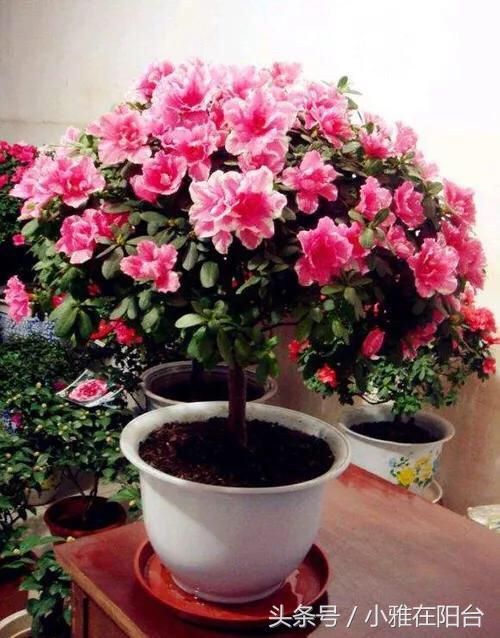
How to grow rhododendrons so they bloom abundantly and frequently
To boost rhododendrons, watering is key, so watering can make them grow long, with lush leaves and continuous blooming. Rhododendrons are also called azaleas, mountain pomegranate, and their blooms are especially bright and beautiful. Originally, rhododendrons were wild azaleas growing on the mountains. Now the potted rhododendrons grown in different forms are all improved flowers
-
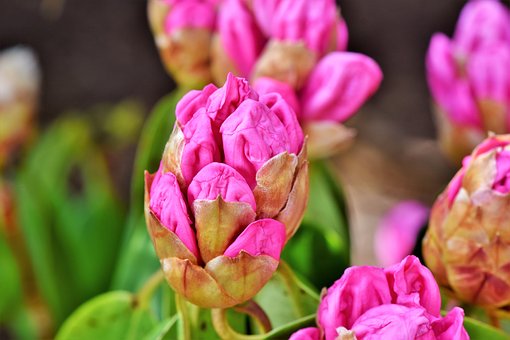
Do Rhododendrons Have Seeds? Typical Price Per Jin of Seeds and the Suitable Planting Time
Rhododendron, also known as shan zhizhu, shan shiliu, yingshanhong, zhaoshanhong, and Tang rhododendron, is a common evergreen shrub in southern China. It is the provincial flower of Guizhou, Anhui, and Jiangxi. Because of its high ornamental value, it is cultivated indoors, in parks, and other places.
-
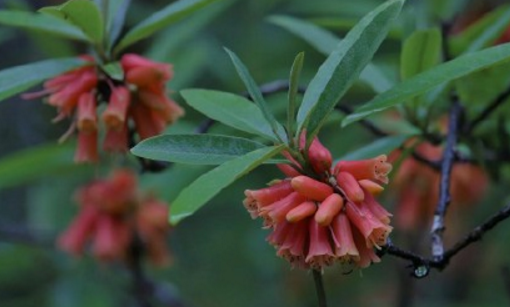
Cultivation and Propagation Methods, Precautions and Flower Language of Rhododendron tubiflorum in the Rhododendron Subgenus Hymenanthes
Rhododendron tubiflorum is a plant native to high-altitude regions, and it prefers cool conditions. So what are the cultivation methods and precautions for Rhododendron tubiflorum? How do you propagate it? What is its flower language? According to available information, Rhododendron tubiflorum is fairly adaptable to soil; it likes loose, fertile soil and requires soil rich in humus.
-

How to propagate rhododendron? Introduction to common propagation methods
How to propagate rhododendron
-

How to grow Rhododendron pulchrum? Cultivation methods and precautions
How to grow Rhododendron pulchrum
-

Rhododendron Bloom Control Techniques and Methods Explained in Detail
Rhododendron, also known as yingshanhong and juanhong, is divided into 4 categories according to flowering period and source of introduction: mao juan, xia juan, dong juan and xi juan, and the flowering period varies with the variety. If its temperature, humidity and other conditions are regulated artificially, the flowering time can be made earlier or later according to personal preference. 1. Forcing early bloom: Rhododendron flower buds generally begin to differentiate in autumn. In the cold winter season, move the rhododendron into a greenhouse for cultivation, maintain a room temperature of 20-25°C, and frequently spray water on the branches with a fine sprayer to keep humidity high
-
How to make and care for a rhododendron bonsai?
Rhododendron, also known as yingshanhong, is an evergreen or deciduous shrub of the genus Rhododendron in the family Ericaceae. The plant is much branched, with slender, straight branches bearing brown or brownish rough hairs. The leaves are simple and alternate, ovate-elliptic to needle-shaped, with acute or slightly blunt tips, and sparsely covered with brown stiff hairs on the surface. Several flowers cluster at the tips of the branches; the corolla is funnel-shaped, single or double, and comes in a rich range of colors including white, pink, red, purple and various bicolors. There are many varieties of rhododendron, broadly divided into four main groups: spring rhododendron, summer rhododendron, spring-summer rhododendron and Western rhododendron. Using it to make a bonsai gives the qualities of gnarled and
-
Detailed Guide to Rhododendron Seed Propagation Methods and Steps
Seed propagation is sexual reproduction. Because the seed-setting rate of natural cross-pollination is very low, artificial pollination is generally carried out to increase the seed-setting rate of rhododendrons and obtain more seeds. The main method is: when the rhododendrons are in full bloom, select robust mother plants with good growth and beautiful flower colors, move them to a greenhouse, and on each pot keep 3-4 flowers that are large and bloom early; remove the stamens and the new buds near the flowers so that nutrients are concentrated. When mucus appears on the stigma, dip a new small brush in the pollen of the father plant and apply it several times. One week after pollination, move the pot
-
Detailed Guide to Controlling Leaf Spot Disease in Rhododendrons
Symptoms: It mainly infects the leaves. In the early stage of the disease, small reddish-brown spots appear on the leaves and gradually expand into lesions or irregular polygonal lesions that are dark brown. In the later stage, the tissue in the center of the lesions turns grayish-white. When the disease is severe, the lesions connect with one another, causing the leaves to turn yellow, wither, and drop early. Control methods: 1. In autumn, clear away and dispose of fallen leaves, and during the growing season promptly remove diseased leaves. 2. Planting or potted flower placement density should be appropriate to ensure ventilation and light penetration for the plants and reduce leaf surface humidity. In summer, place potted flowers in an outdoor shade shed to reduce sunscald and mechanical
条件筛选