-
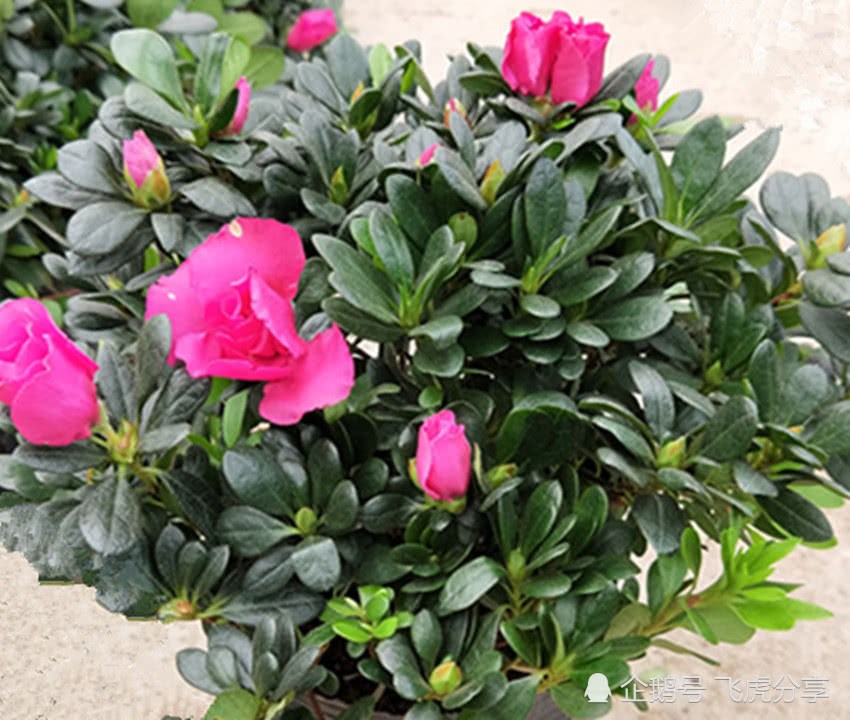
Rhododendrons, camellias and gardenias always turn yellow leaves - using this is a hundred times better than ferrous sulfate
Rhododendrons, camellias and gardenias are flowers commonly grown at home, but these plants often develop yellow leaves; in mild cases this causes poor growth and leaf drop, and in severe cases it causes withering and death. When this happens, many people think of...
-
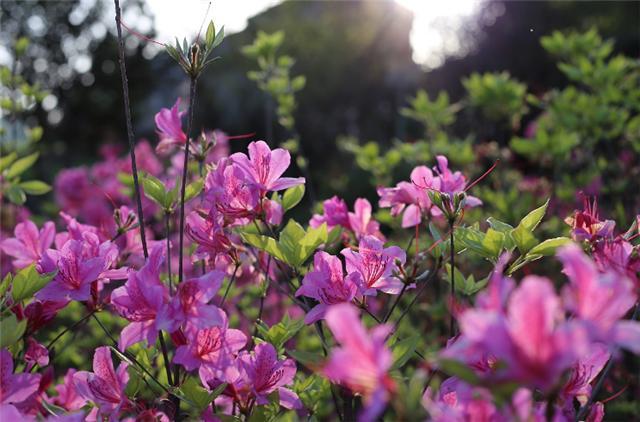
How to plant rhododendrons? Master this method for more beautiful blooms
Rhododendrons have a long history of cultivation in China. The Tang Dynasty poet Bai Juyi also grew rhododendrons, which reflects the love that flower enthusiasts of past generations have had for rhododendrons. Of course, growing rhododendrons requires mastering the correct methods so that they grow better and can...
-
What are the cultivation methods for hybrid rhododendrons?
Soil: Hybrid rhododendrons like fertile, loose, slightly acidic sandy loam. Light: They like light, and normally need to be given sufficient light conditions. Water: When watering, you must control the amount well, neither watering too much so that water accumulates in the soil, nor watering too little so that the plant lacks water. Temperature: Keeping it in an environment of 15-25°C is sufficient.
-

What are the diseases of rhododendrons and their control methods?
Rhododendron diseases mainly fall into two categories: physiological diseases and infectious diseases. For physiological diseases, you need to remedy and improve the factors causing the rhododendron's discomfort; for infectious diseases, you need to use chemical agents to control them according to the cause. Pay special attention to sooty mold, which requires treating the insects first and then the fungus.
-

What are the methods for controlling rhododendron pests?
The main pests of rhododendrons are red spider mites, rhododendron lace bugs and aphids. For red spider mites, pruning or spraying with abamectin can be used for control; for rhododendron lace bugs, removing diseased leaves or spraying with imidacloprid can be used for control; for aphids, washing, sticky traps or spraying with imidacloprid can be used for control.
-
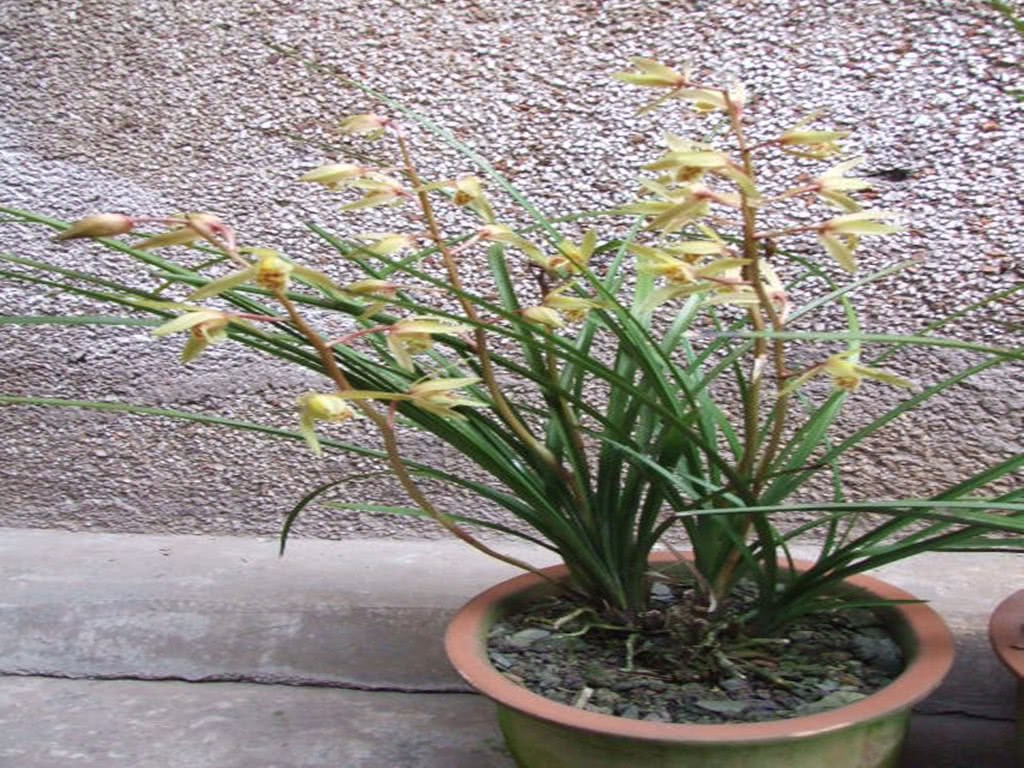
Using iron nails to grow orchids is fine, but never use them on rhododendrons, or you will get the opposite of what you want.
Using iron nails to grow orchids is fine, but never use them on rhododendrons, otherwise you will really lose the chicken and the rice as well. Friends who have grown orchids or succulents may know that placing rusty iron nails in flower pots can effectively promote...
-
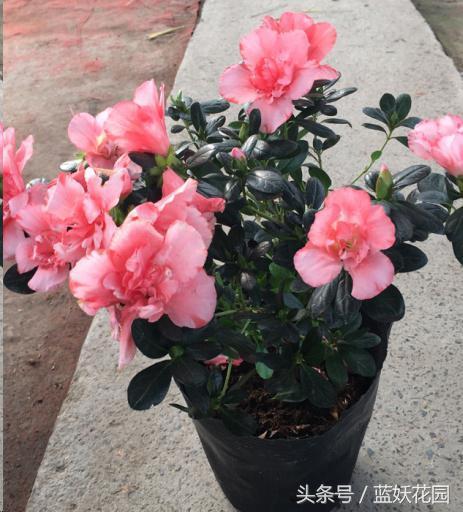
Rhododendron leaves turning black at the tips and yellowing without growing? One trick will fix it
Click [Follow] in the top right corner to follow the Lanyao Garden Toutiao account, and send a private message with "Rose Course" to receive 4 free rose care lessons! This is day 917 of Lanyao's daily original articles. Yesterday Lanyao shared two basic precautions about repotting...
-
How to Rescue a Rhododendron That Is Dropping Leaves? Causes and Solutions Explained
There are many reasons a rhododendron drops its leaves: if it is caused by insufficient nutrients, you need to fertilize promptly to replenish nutrients; if it is caused by improper watering, you need to water reasonably; if it is caused by insufficient sunlight, you need to increase the light duration.
-
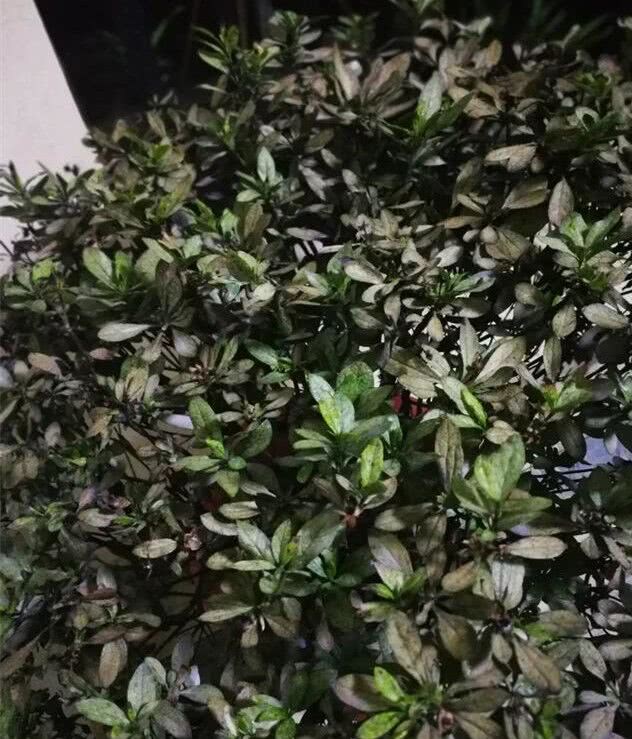
Rhododendron leaves turn completely black and nearly die after using ferrous sulfate; fertilize with caution
Fertilizing flowers is meant to make them grow more vigorously, but improper application can backfire. A fellow flower enthusiast asked me that after using ferrous sulfate on their rhododendron, the leaves turned black. What should be done in this situation? Today let's analyze the causes together...
-

What kind of herbaceous plant is Penstemon?
Penstemon, of the genus Penstemon in the family Ericaceae, is an evergreen shrub, 2-4 m tall. Racemes; each inflorescence has 3-4 flowering branches, densely set with small urn-shaped florets, pendulous, with a white or white-green corolla, and spherical capsules.
条件筛选