-

What are the causes of wheat lodging and the rescue methods
Causes of wheat lodging and rescue methods
-

How do you rescue rice seedlings poisoned by trichloroacetaldehyde?
Phosphate fertilizer contains trichloroacetaldehyde and trichloroacetic acid. If phosphate fertilizer is applied excessively during rice seedling raising, or if inferior phosphate fertilizer with a high content of trichloroacetaldehyde (acid) is applied, the rice seedlings may suffer trichloroacetaldehyde (acid) poisoning. In mild cases, the seedling leaves curl and shrink, tillers grow in clusters, and brown necrotic streak spots appear at the leaf tips; in severe cases, the streak spots spread from the leaf tips toward the middle and base of the leaves, tillering decreases or stops, the root system becomes abnormally short and thick, and may even rot and turn black, ultimately killing the entire plant. For fields where the seedlings are only mildly affected, immediately adopt the method of irrigating by day and draining by night, repeatedly flushing with water
-
Introduction to Bromegrass and Rescuegrass Forage Varieties
Mountain brome is a bunch-type perennial forage grass with tall plants, many leaves and high yields, but it has a short lifespan (usually useful for 2-3 years). It is suited to warm, humid regions, has poor cold and heat tolerance, and is not drought tolerant. Rescuegrass is an annual or short-lived perennial forage grass with many leaves in a leafy clump, and plant height can reach 0.8-1.2 m. It has relatively good heat tolerance but is not frost tolerant, and it adapts to warm, humid subtropical winters. Its yield is similar to that of mountain brome, and it can be sown in mixtures with clover, ryegrass
-
What rescue measures are there after rice is flooded
Rice fields flooded for 1-4 days below 25°C suffer little damage; flooding for 1-4 days above 30°C can cause abnormal grain filling in rice; flooding for 1-4 days above 40°C can cause rice to wither and die with total crop loss. When rice is flooded at the seedling stage, the seedlings become thin and elongated with yellowing leaves, and generally are difficult to recover; at the tillering stage, the lower leaves necrose and the heart leaves curl, and after the water recedes the leaves wither, but generally do not rot; at the jointing stage, the plants become thin and weak and are prone to lodging and breaking; at the booting stage, resistance is weakest, and rotten ears and deformities easily occur, reducing the seed-setting rate; at the grain-filling stage, the lower leaves wither and yellow, the top leaves yellow, and the ears
-
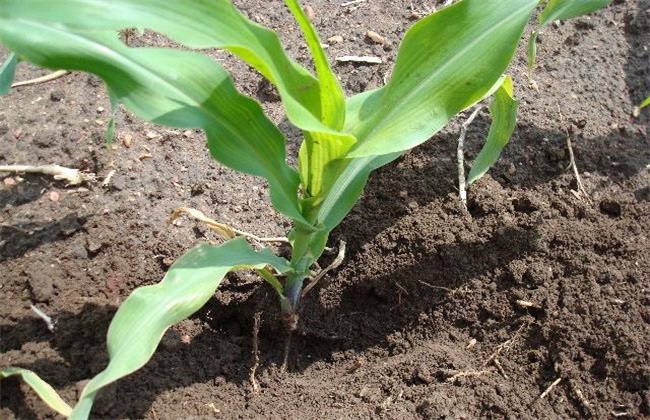
Corn Fertilizer Burn: Symptoms and Rescue Methods Explained in Detail
Corn Fertilizer Burn Symptoms and Rescue Methods
条件筛选