-
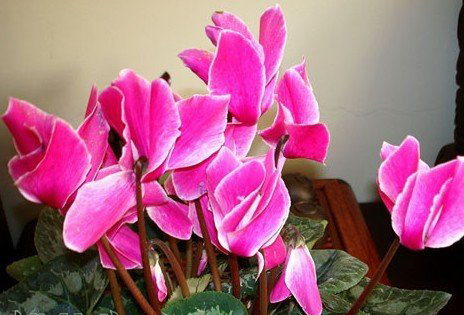
How to rescue wilted flowers and plants? Practical methods shared
When flowers and plants wilt, this is the most headache-inducing problem for growers. There are many causes of wilting in flowers and plants, such as lack of water, lack of fertilizer, lack of light, unsuitable temperature, being unsuited to the pH level contained in the soil, excessive application of chemical fertilizer, infection by a virus, being attacked by pests, damage from toxic gases in the air, and so on
-

How to control the citrus black scale in orange orchards? The pure yellow aphelinid wasp comes to the rescue
[Morphological characteristics] Female wasp body length 0.92-1.18 mm, yellow, without color spots. The posterior margin of the scutellum has dark brown stripes. The base of the forewing has short black stripes; the ventral side of the antennal scape is dark brown, and the remaining segments are deep fuscous. Legs yellow. Compound eyes with fine hairs. Thoracic hairs thick and black; the scutellum bears 4 hairs; the forewing is 2.25 times as long as wide; the ovipositor is 1.9-2.01 times the length of the middle tibia. Male wasp body length 0.71-0.92 mm; the forewing is wider than that of the female, 2.2-2.33 times as long as wide. Important differences from Aphytis chrysomphali: the pure yellow aphelinid wasp of the citrus black scale is a bisexual species, and the propodeum is shorter, 0.75-0.8 times the length of the scutellum. The fan-shaped projections are large and elongated. Strongly overlapping; the thorax and venter of the mature pupa are dark brown, with only the abdominal tip lighter in color. Aphytis chrysomphali is a unisexual species, with males rarely seen in nature; the propodeum is longer, equal to or slightly longer than the scutellum. The posterior margin is broadly arched; the fan-shaped projections are small, rounded, and not overlapping. The mature pupa is yellow, with only a single black longitudinal line on the mesothoracic ventrite.
-
What are the emergency rescue methods for frozen kits (baby rabbits)?
Causes of kits freezing: one is that the due date was not recorded properly or the doe kindled early for some reason, and the kindling box was not put in place in advance; another cause is that the doe's maternal instinct is weak, and she kindled outside the box; a further cause is that after nursing, when the doe jumps out of the kindling box, individual kits that are not getting enough milk clamp onto the teat and will not let go, so they are dragged out and become frostbitten because the weather is relatively cold. Regardless of the cause, a frostbitten kit must not be left too long; if its heart is still beating, emergency measures will generally succeed. The methods are as follows: 1. Immerse the kit
-
What to Do When a Phalaenopsis (Moth Orchid) Has Root Rot? A Detailed Guide to Home Rescue Methods
When growing Phalaenopsis orchids at home, improper watering or poor potting medium can sometimes lead to root rot. Below are measures to prevent root rot and ways to rescue an orchid that already has it. First, choose the potting medium: use a loose, airy, well-draining substrate. For example, peat mixed with perlite, or peat mixed with pine needles, moss, and the like, all work well. Use organic fertilizer as a base fertilizer. Second, keep the potting medium moist, but never waterlogged; waterlogging is the main cause of root rot. Pay close attention: if water does not drain through for a long time after watering, it means the potting medium has been used too long and has become too dense, so you should change the soil promptly.
-
What to Do When Cotton Is Flooded? Waterlogging Rescue Methods During Great Heat
Minor Heat and Great Heat fall in July, the hottest month of the year. Do a good job in flood control, heat prevention and drought resistance; harvest early rice in a timely manner; apply tillering and ear fertilizer to mid-season rice; carry out intertillage and soil loosening, topping, and flower fertilizer application for cotton; and control pink bollworm and cotton bollworm. Sow late-autumn crops in a timely manner. Ensure good ventilation and cooling for livestock and poultry pens to prevent heatstroke in people and animals. Most cotton fields in our province are currently in a state of hidden waterlogging. This is currently the most critical period for cotton's transition from vegetative growth to reproductive growth, and also the most critical period for the increase of cotton buds and bolls. Emergency management measures must be taken immediately.
-
Rescue Methods and Emergency Treatment Measures After Pig Poisoning
The causes of pig poisoning fall into two categories: feed poisoning and drug poisoning. There are five commonly used rescue methods: Emesis is generally used for poisoning by drugs such as organophosphates. For subcutaneous injection of emetics, there is veratrine 0.01-0.03 grams, or oral emetic ipecac powder 1-3 grams (or antimony potassium tartrate 1-2 grams); if no emetic is available, a wooden stick or rubber tube can also be used to lightly wipe the throat mucosa to induce vomiting. Gastric lavage: when the poison has entered the pig's body for 4-6 hours, gastric lavage should be performed. For hydrocyanic acid poisoning, 1
-
What to Do If a Pig Is Poisoned? Rescue Methods Every Pig Farmer Must Know
① Emetic: generally used for poisoning by organic phosphorus and similar drugs. Subcutaneous injection of the emetic veratrine 0.01-0.03 g, or oral administration of the emetic ipecac powder 1-3 g; if no emetic is available, a wooden stick or rubber tube may be used to lightly wipe the throat mucosa to stimulate vomiting. ② Gastric lavage: when the poison has been in the pig's body for 4-6 hours, gastric lavage should be performed. For hydrocyanic acid poisoning, a 1% potassium permanganate solution or 3% hydrogen peroxide may be used; for organic phosphorus pesticide poisoning, a 1%-5% sodium bicarbonate solution may be used; for zinc phosphide poisoning, a 1% copper sulfate solution may be used. Gastric lavage is not suitable for corrosive drug poisoning
-
Control Methods and Rescue Measures for the Three Major Types of Pesticide Damage in Cotton
1. Strict operation and effective prevention. When using the various types of pesticides mentioned above on cotton, the operating procedures must be strictly followed and the pesticides used rationally (including the type, concentration, method and timing of application, etc.), so as to give full play to the pesticide's efficacy while reducing costs and preventing pesticide damage. 2. Timely "rescue" to eliminate the "danger". After pesticide damage occurs, a large amount of water can be sprayed on the leaves to wash it off; in the soil, irrigation, drainage to wash out the pesticide, or neutralization and detoxification with safeners can be used. If Bordeaux mixture is mistakenly used, since copper ions cause the pesticide damage, 0.5%-1% lime milk can be sprayed; spray equipment that has been used for
-
What are the rescue methods for allergic reactions in cattle and pigs?
When mass vaccinating cattle against bovine pleuropneumonia and foot-and-mouth disease and using drugs such as antibiotics and sulfonamides, livestock such as cattle and pigs can develop allergic reactions. After an allergic reaction occurs in livestock, edema develops in multiple parts of the body, along with symptoms such as allergic bronchitis and asthmatic bronchopneumonia; in severe cases or if rescue is delayed, it can lead to death. Russian livestock workers have adopted a method for treating allergic reactions in livestock, which is to inject livestock subcutaneously with a 1% atropine sulfate solution as soon as the first clinical symptoms appear
-
Prediction Methods and Rescue Measures for Fish Pond Overturn
In summer and autumn, when temperatures are high and microbial activity is vigorous, if a fish pond receives large amounts of fertilizer and feed, the fish can easily come to the surface gasping for air due to oxygen deficiency. If rescue measures are not taken in time, the fish will suffocate and die. Therefore, fish pond management should be strengthened at ordinary times, prediction should be done well, and rescue measures should be taken promptly when fish come to the surface gasping for air, so as to prevent fish pond overturn. Signs before overturn: On the afternoon of a hot day, if organic matter in the pond is found fermenting and producing large amounts of bubbles that cover 1/2 of the pond water surface, and a fishy, foul odor can be smelled from far away from the pond, it indicates that pond overturn is about to occur. In weather that alternates between clear and rainy, in windless, muggy thundering weather, or after heavy thunderstorms, observe the fish pond carefully to prevent fish pond overturn. For fish ponds with severe surface gasping, be especially careful to prevent fish pond overturn. In fish ponds where severe surface gasping occurs, pond overturn mostly happens in the middle of the night and early morning.
条件筛选