-

Detailed Explanation of Key Technical Points for Winter Rearing of Broodstock
Broodstock rearing is divided into stages including post-spawning care, autumn rearing, winter rearing and spring rearing. Because winter temperatures are low, broodstock activity decreases, feeding capacity is weaker and fish diseases occur easily; if management is poor, it greatly affects the next year's production links such as artificial incubation, fry and fingerling production and grow-out fish farming. The key technical points for doing a good job of winter broodstock rearing are: 1. Pond selection. Broodstock ponds require an adequate water source, a flat pond bottom, shelter from wind and exposure to sun, and good water and heat retention, with an area of 10-15 mu being suitable. 2
-
Detailed Explanation of Key Techniques for Autumn Grass Carp Broodstock Rearing
In autumn and winter, the sex cells of grass carp broodstock are in the growth and development stage. The quality of feeding and management during this period directly affects the maturation of the gonads, the spawning induction results the following year, and the fertilization rate and hatching rate of the eggs. For this reason, the rearing of grass carp broodstock in autumn and winter should focus on the following points. 1. Pond preparation. The pond for rearing grass carp broodstock should be close to the spawning pond and have a good water source. The pond area is generally 3-4 mu, with a water depth of 1.5 m. Before stocking the broodstock, the pond should be cleaned and renovated, the pond embankments repaired, weeds removed, and the pond disinfected with quicklime or bleaching powder and other chemicals.
-

Butterfly Farming Techniques Explained: Environmental Management and Rearing Methods
Butterfly Farming Techniques
-
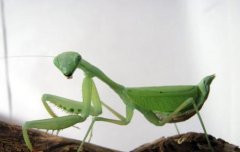
Can you raise a baby mantis yourself? A detailed guide to mantis rearing methods
Using fruit flies to rear baby mantises - have you ever heard of this method of rearing mantises? If you want to learn this ecological rearing method, then let's take a look together. Predatory natural enemies are part of the predatory food chain, such as the mantis stalking the cicada while the oriole watches from behind.
-

Rearing and Management Methods and Technical Key Points for Young Quail
Rearing and Management of Young Quail
-

Detailed Explanation of Key Technical Points for Tiger Grouper Fry Rearing
Tiger Grouper Fry Rearing Techniques
-

A Detailed Explanation of Emu Farming Techniques and Rearing Management Methods
Emu Farming Techniques
-

Key Technical Points and Rearing Management Methods for Raising Ducks in Winter
Winter Duck-Raising Techniques
-
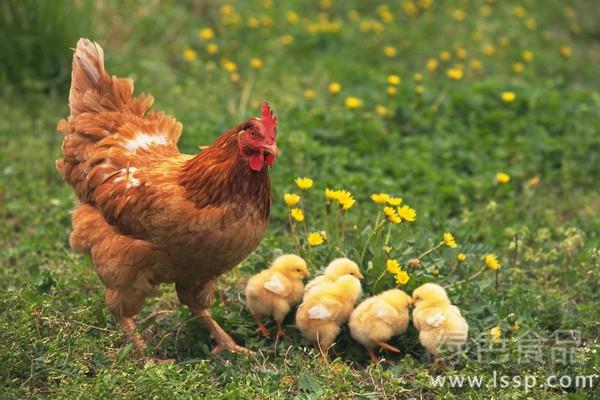
Specific measures for the good benefits of three-stage rearing of broiler chickens
Good benefits from stage-based rearing of broiler chickens: three-stage rearing measures for broiler chickens
-

条件筛选