-

A Detailed Explanation of Goose Rearing Methods and Key Technical Points
Summary Brooding period: do a good job of keeping warm, preventing dampness and starting to feed, with the temperature controlled at around 28-30°C and the humidity controlled at around 55%. Growing period: this is the period when geese grow the fastest, so special attention must be paid to nutrition and the combination of roughage and concentrated feed. Laying period: in order to improve
-
A Detailed Explanation of Fattening Sheep Rearing Methods and Technical Key Points
Summary Seed selection: Choose breeds with good fattening results; when selecting sheep, do not choose overly active young sheep; choose gentle, quiet young sheep that tend to flock together. Feeding: Follow the principle of small amounts and frequent meals; after each feeding, provide water; in winter, warm water is preferable. Rearing methods
-
Chicken Rearing Methods and Key Points of Feeding Management Techniques
Summary Breed selection and coop construction: Generally, native chickens are the main type reared. The chicken coop can be built in a place sheltered from the wind, with sufficient sunlight, convenient transportation, and easy drainage and irrigation. Inside the coop, feed troughs, water troughs, temperature control facilities, etc. should be prepared. Chick rearing: The temperature should be regulated according to the age of the chicks.
-
Detailed Explanation of Leech Breeding Methods and Technical Key Points
Summary Rearing pond requirements: Ponds, ditches, and paddy fields can be modified for use; the area is determined by the number of leeches being raised, and gauze netting must be installed at the water inlet and outlet. Breeding requirements: The stocking density is about 80,000 leeches per mu; some floating plants can be grown in the pond for shade.
-
Technical Guidelines and Rearing Management Points for Raising Chickens Under the Forest
Summary Selecting the breeding site: Raising chickens under the forest requires choosing a ventilated, sunny woodland with convenient drainage and easy transportation. Building the chicken coop: The coop needs to be divided into a chick room, a laying room, and a hatching room, and only simple construction is needed. Selecting the breed: Choose chicken breeds with strong environmental adaptability. Daily
-
Keeping and Care Guide for the Earless Monitor Lizard: Breeding Methods and Husbandry Management Key Points
Summary Build a rearing environment: set up a living environment of a relatively large size with good ventilation. Ensure the required temperature: the temperature must be kept above 35°C. Provide sufficient light: install ultraviolet lamps in the living environment. Feed the food: feed small earless monitor lizards crickets
-
Gosling Rearing Methods, Temperature and Humidity Requirements, and Precautions
Abstract: 24-26 hours after the goslings hatch, let them drink first before feeding. For newly hatched goslings aged 1-3 days, the indoor temperature should be maintained at 32-34°C; for goslings aged 4-7 days, the indoor temperature should be maintained at 30-32°C; thereafter, lower it by 2-3°C every 7 days. Goslings grow suitably in environmental conditions with a humidity of around 60-65%
-
How Do Tortoises Get Through Winter? A Detailed Guide to Winter Rearing and Management Methods
Agritourism promotion and cooperation WeChat: 15773140540 Tortoises are state-protected species and may not be privately raised, sold, transported or traded. They cannot swim and can only spend their whole lives on land, living in burrows, which is why they are also called dry tortoises or grassland tortoises. They not only hibernate, but also aestivate. So,
-
-
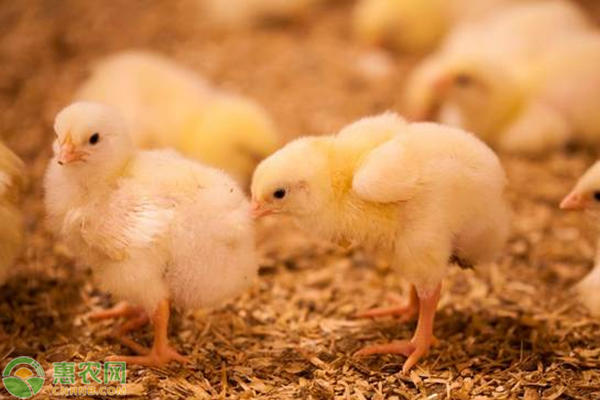
Detailed Explanation of Chick Rearing Methods and Disease Prevention and Control Techniques
How to raise chicks? How to prevent and control chick diseases?
条件筛选