-
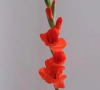
Plants, flowers and trees suitable for growing on a rooftop in full sun: what plants are suitable for a rooftop and tolerate sun
Are you still worried about what plants to grow on a rooftop in full sun? These 6 flowers are a no-brainer! The more sun they get, the more they bloom, and even beginners can handle them easily. 1. Gladiolus Gladiolus blooms from July to September, with straight, upright flower stems and trumpet-shaped flowers densely arranged at the top, like strings of little bells, ranging from orange-red to light purple, with a single stem bearing 10+ flowers.
-

What are the symptoms of fertilizer burn in Phalaenopsis orchids when fertilizer is too concentrated, and will it affect plant growth?
In the cultivation of Phalaenopsis orchids, fertilizing is a key step in promoting their growth and flowering, but once done improperly, with fertilizer that is too concentrated, it will cause fertilizer burn. A deep understanding of the symptoms of fertilizer burn in Phalaenopsis orchids and the effects of overly concentrated fertilizer on plant growth is crucial for caring well for Phalaenopsis orchids. When fertilizer burn occurs in Phalaenopsis orchids, the most direct
-
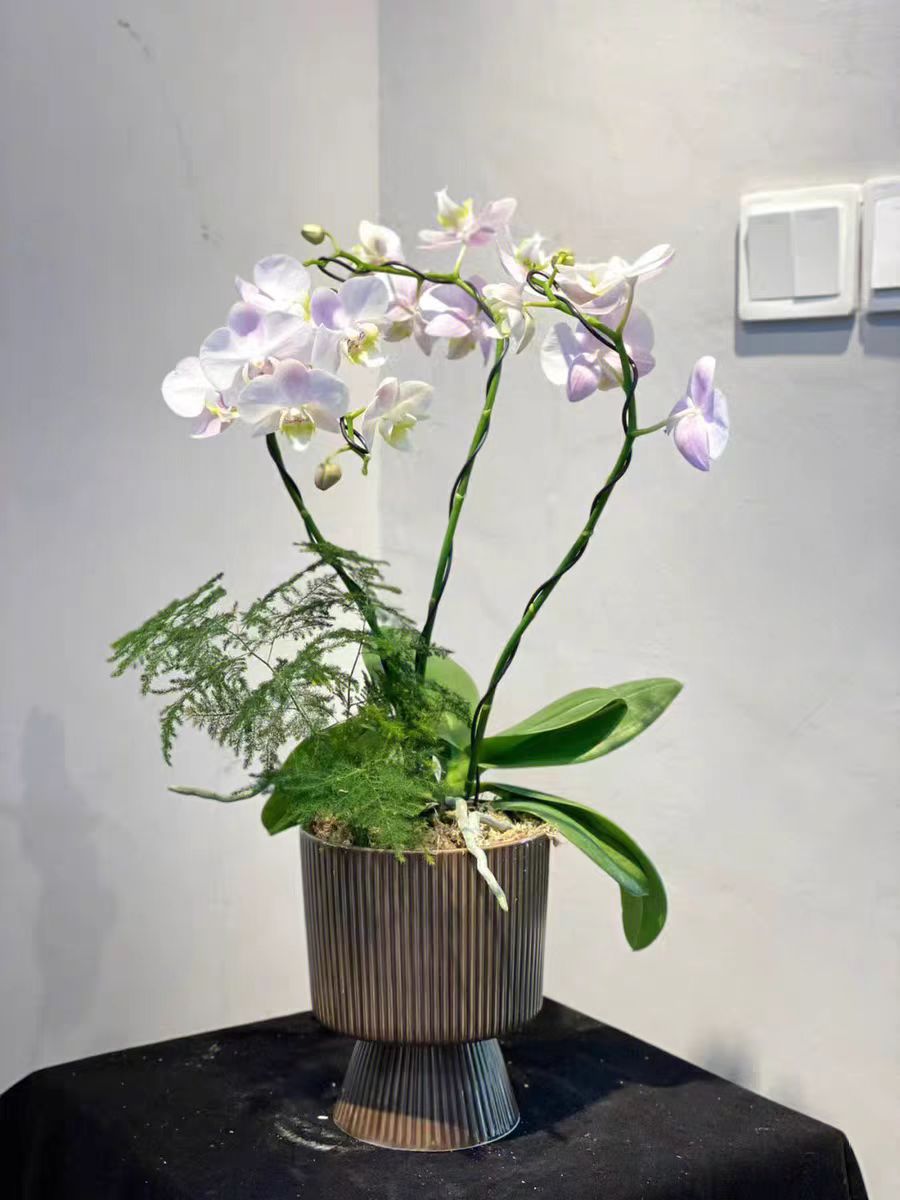
How to Separate the Side Shoots of Phalaenopsis?
During the process of cultivating phalaenopsis, it is a common phenomenon for the plant to produce side shoots. So, how should the side shoots of phalaenopsis
-
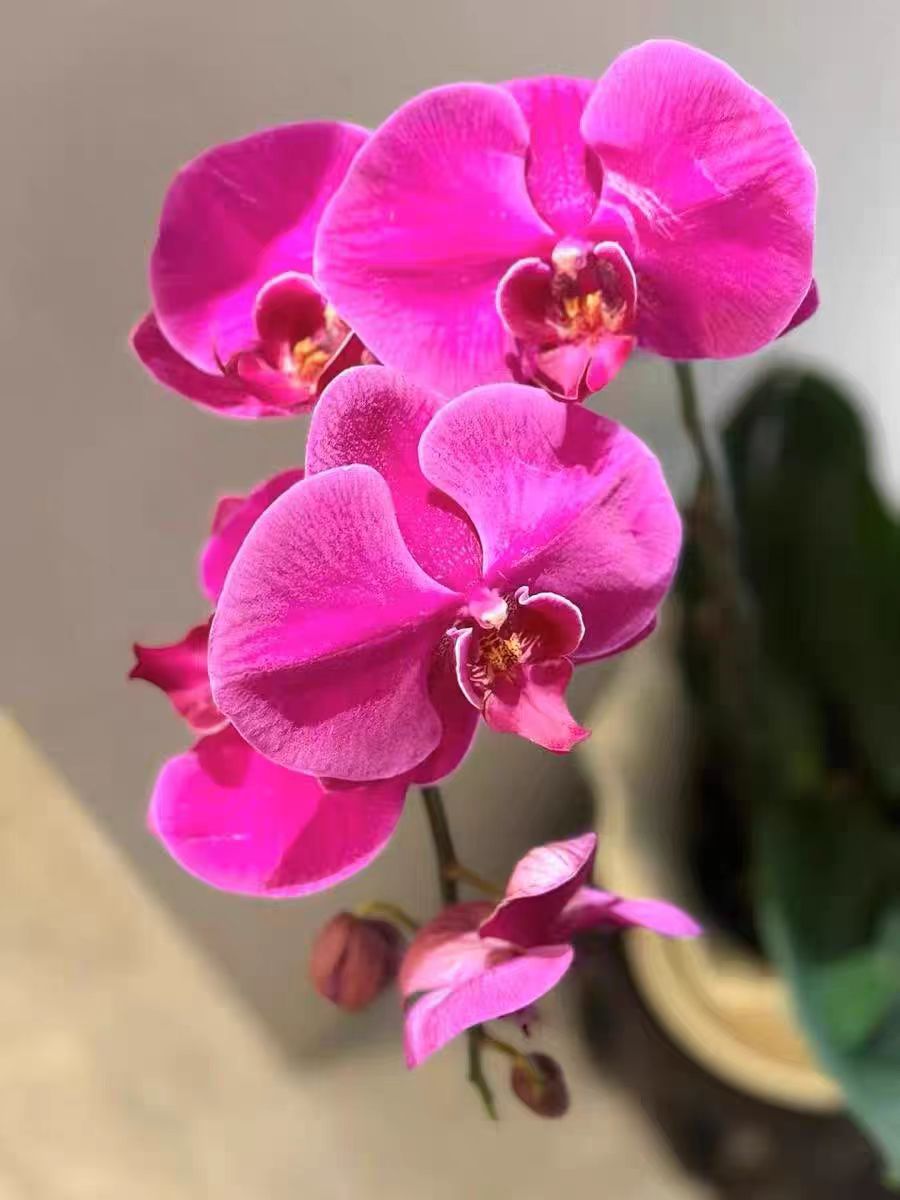
How to Separate the Side Shoots of Phalaenopsis?
During the process of caring for phalaenopsis, when side shoots are found growing on the plant, it means there is an opportunity to propagate new plants.
-

How to Separate Phalaenopsis Keikis and the Right Size for Transplanting
When growing Phalaenopsis orchids, spotting a keiki on the plant means you have a chance to propagate a new plant. However, mastering the correct methods of separating and transplanting the keiki is crucial, as it determines whether the new plant can grow healthily. When the keiki of a Phalaenopsis reaches 2 - 3 cm in height and has at least one mature leaf
-

How to revive severely dehydrated, wilted fresh flowers? Learn the correct way to handle them
The most heartbreaking thing about keeping flowers is seeing them dehydrated and drooping. Don't rush to throw them out. Below are a few super practical emergency tricks that even beginners can easily handle. 1. Water cutting method: 1. Find a clean basin, fill it with clean water, soak the flower stems in it, and cut at a 45-degree angle (cut 2-3 cm), keeping 1-2 healthy leaves at the top
-

Which flowers and plants are easy to grow and have a high survival rate? Flower recommendations for beginners
For beginner gardeners, choosing flowers that are easy to grow and have a high survival rate is crucial. Today we recommend several flowers and plants suitable for beginners, so you can easily start your gardening journey. Sunflower: it can be called the "messenger of sunshine," and it is simpler to grow than you could imagine. When sowing, just insert the seed with its pointed end facing down into moist
-

How to tell if a Phalaenopsis orchid is dehydrated, and can it still be saved?
During routine care, Phalaenopsis orchids may become dehydrated for various reasons. How can you tell whether a Phalaenopsis orchid is dehydrated? Can a dehydrated Phalaenopsis orchid still be saved? How to tell if a Phalaenopsis orchid is dehydrated: Observe the leaf condition: the leaves of a Phalaenopsis orchid are an important basis for judging whether it is dehydrated. A healthy Phalaenopsis
-

Must peanut shells be composted before use as a substrate for Phalaenopsis?
To help Phalaenopsis thrive, choosing a suitable growing substrate is just as crucial as proper light, temperature and water management. Among the many substrate materials, peanut shells have gradually become a popular choice for caring for Phalaenopsis thanks to their unique properties and advantages. So, can Phalaenopsis really be grown in peanut shells
-
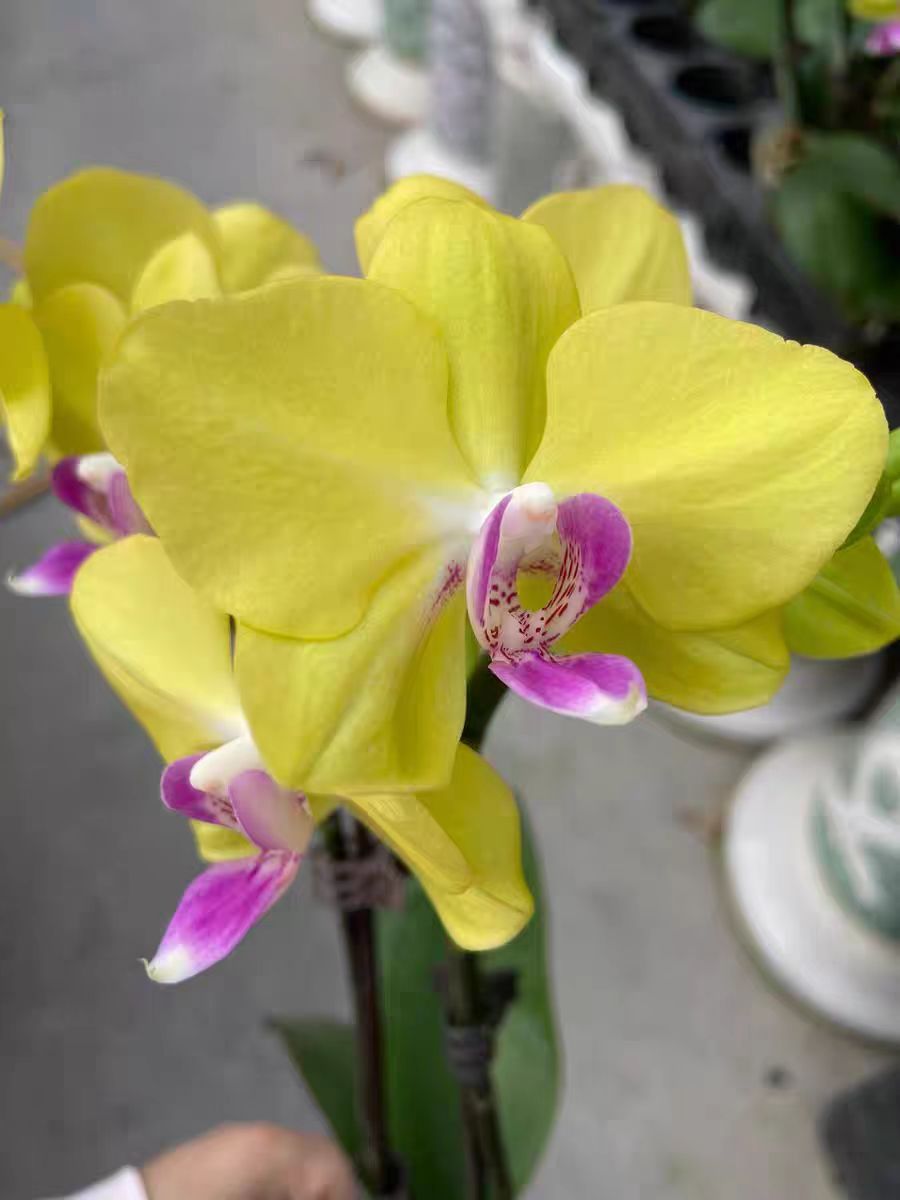
Can peanut shells be used as a substrate for Phalaenopsis orchids?
To enable Phalaenopsis orchids to thrive, in addition to appropriate management of light, temperature, and water, choosing a suitable cultivation substrate is
条件筛选