-
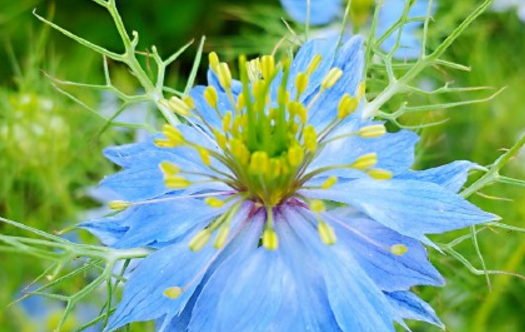
Ranunculaceae Nigella: cultivation and propagation methods, precautions, and main value
Nigella, also known as black seed herb and Siyadan, so what are the cultivation methods and precautions for Nigella? How does it propagate? What are its main values? According to available information, the growth habits of Nigella are quite similar to most plants. It likes an environment with sufficient light and can tolerate cold. When cultivating Nigella,
-

How to Grow Larkspur? A Detailed Guide to the Latest Cultivation Methods
Larkspur is a perennial herbaceous plant of the genus Consolida in the Ranunculaceae family, native to southern Europe, and cultivated in all provinces of China. It is named for its distinctive flower shape, which closely resembles little swallows. The flower diameter is about 4 cm, and its elegant form makes it a favorite. It is often planted in flower beds and borders,
-
Is Aconitum (Ranunculaceae) Poisonous, Why It Easily Causes Poisoning, and How It Differs from Lindera and Fuzi
Aconitum, a plant of the Ranunculaceae family, its mother root is called Aconitum (Wutou), used as an anticonvulsant, to treat wind-induced paralysis and rheumatic neuralgia. So, is Aconitum poisonous? How does it easily cause poisoning? How does it differ from Lindera (Wuyao) and Fuzi? 1. Is Aconitum poisonous? Aconitum is poisonous; it is an essential herb for dispelling cold and relieving pain
-
How are the prospects for growing white peony (Radix Paeoniae Alba)? Latest analysis
White peony (Radix Paeoniae Alba) is a flowering plant in the Ranunculaceae family, genus Paeonia. The part used for medicinal purposes is the dried root, which has effects such as nourishing blood, benefiting the liver, and relieving pain, and is commonly used to treat vascular diseases and symptoms such as pain. Moreover, it is not only used medicinally, but can also be brewed as tea and processed
-
What are the characteristics of the peony flower? The latest interpretation is here
The peony is a deciduous shrub of the genus Paeonia in the family Ranunculaceae, a traditional famous flower native to China, also known as woody peony, Luoyang flower, deer leek, etc. Its flowers are large and highly variable, brilliantly colored and magnificent, and it is known as the "king of flowers." The peony flower is valued as national beauty and heavenly fragrance, with aristocratic character, and its nobility is self-evident and universally known. Peonies are also not easy to grow, especially when propagated by planting, which is troublesome and has a relatively low survival rate. What characteristics does such a precious peony flower have? I think everyone is looking forward to knowing, so below we introduce the characteristics of the peony flower.
-
What are the latest planting methods for Chinese pulsatilla?
Chinese pulsatilla (Pulsatilla chinensis) is a perennial herb of the genus Anemone in the Ranunculaceae family, also known as Naihe grass, white-head grass, and Laogu grass. It mostly grows wild on hillsides, barren slopes, and in fields, and has the effects of clearing heat and detoxifying, cooling blood and stopping dysentery, and drying dampness and killing parasites, with extremely high medicinal value. As demand increases
-
A Detailed Guide to the Latest Planting Methods and Key Techniques for Kusnezoff Monkshood
Kusnezoff monkshood is a perennial herbaceous plant of the Ranunculaceae family. It is a relatively precious traditional Chinese medicinal herb in our country, and the main medicinal part is the tuber. It has a very wide planting area in our country, and the planting benefits of Kusnezoff monkshood are quite good. Under normal cultivation, one mu yields considerable profit.
-
How to Grow Ranunculus ternatus? A Detailed Guide to the Latest Planting Methods
Ranunculus ternatus is an annual herbaceous plant in the family Ranunculaceae (buttercup family). Because its flowers resemble cat's claws, it is called cat's claw plant. Ranunculus ternatus is a medicinal herb, and its main medicinal part is the tuberous root, which has the effect of dissipating nodules and removing blood stasis, and can be used to treat lymphatic tuberculosis. Ranunculus ternatus is mainly
-
How to grow Ranunculus ternatus well? A detailed guide to the latest cultivation techniques
Ranunculus ternatus is an annual herbaceous plant of the genus Ranunculus in the family Ranunculaceae, and it is also one of the traditional Chinese medicinal herbs. The main part used for medicine is its underground tuber. At present, Ranunculus ternatus is mainly distributed in Guangxi, Taiwan, China, Zhejiang, South China, Hubei and other places, but the yield is not
-
Trollius chinensis (Ranunculaceae) tea: benefits, how to drink it properly, and can you drink it long-term?
Trollius chinensis, also known as globe flower, dryland lotus and land lotus, is a fairly common plant of the Ranunculaceae family found in open woodlands or alpine grasslands. Because its flowers are very beautiful and it has effects such as clearing heat and detoxifying, and beautifying the skin, it is deeply loved by people, and many people today like to
条件筛选