-
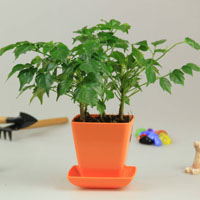
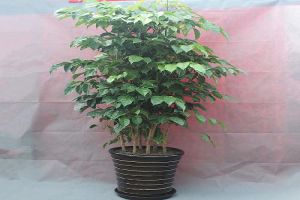
The Radermachera has such a distinctive shape, do you like it?
The "Radermachera sinica" (happy tree), whose scientific name is Radermachera sinica, likes a high-temperature, humid environment with plenty of sunlight. It tolerates high temperatures but fears the cold, prefers moisture, and dislikes dryness. For cultivation, use loose, fertile loam and sandy loam that drain well and are rich in organic matter. The flowering period is from May to September, and the fruiting period is from October to December.
-
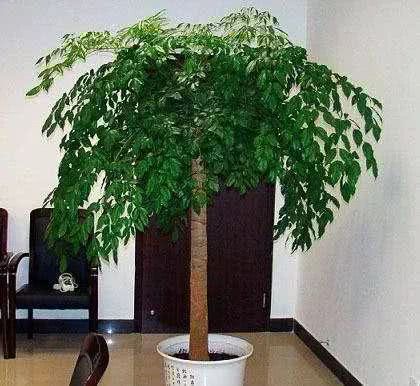
The Radermachera sinica (China doll) is actually very easy to care for. Do these few things well, and its branches and leaves will grow like crazy and stay glossy green.
How should you care for a Radermachera sinica to make it thick and vigorous? Today let's discuss this question together. The Radermachera sinica, whose flower meaning is peace and happiness, is a tree that symbolizes good fortune. Generally, for small cuttings, the first step is to acclimatize the seedlings. Once the seedlings have recovered and the root system...
-
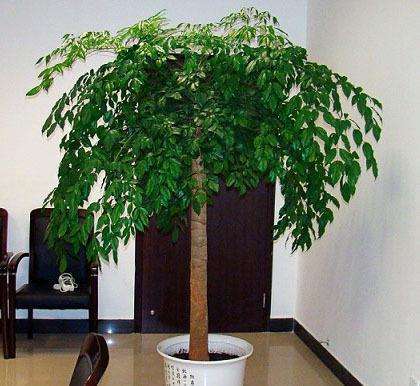
Caring for a Radermachera sinica (China doll) is very simple; just pay attention to a few points and it will grow vigorously with glossy green leaves
How should you care for a Radermachera sinica so it grows thick and thriving? Today let's discuss this question together. The Radermachera sinica, with the flower meaning of peace and happiness, is a tree that symbolizes good fortune. For a generally cutting-propagated young seedling, the first step is to acclimatize it; wait until the seedling has recovered and the root system...
-
What to Do If Your Radermachera (Happy Tree) Grows Too Tall? A Few Easy Tricks to Control Its Height
When growing it, it always tends to grow too tall, so we can control its height through pinching, heading back and thinning. First, pinching means cutting off or pinching off the tip of the main stem or a small branch by hand to encourage the lower branches to sprout. Second, in spring when new buds sprout, head it back and keep the main trunk. Finally, thin it out by cutting away overly dense branches to improve ventilation and light penetration, so the plant grows better and its flowers are more vivid.
-
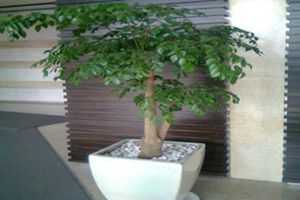
How to propagate a Radermachera sinica (China doll) by cuttings? Detailed explanation of the correct method and steps
It is best to do this in March or April, when the temperature is around 15°C. Cut off a piece about 15 cm long, disinfect the wound, and then let it dry before inserting the cutting.
-

-
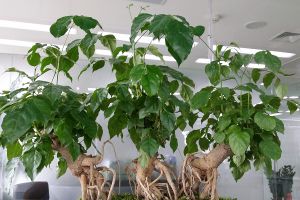
What to Do If the Radermachera sinica (China Doll) Has Root Rot? Learn the Correct Way to Handle It
Have you ever run into root rot while growing a Radermachera sinica (China Doll)? How should we deal with it? First, dig the plant out of the soil and rinse it clean, then cut off the rotted roots, soak it in a fungicide, and let it dry in a shady spot; during this time you need to change the potting soil, and it is best to choose a soil mix with good aeration and drainage for replanting.
-
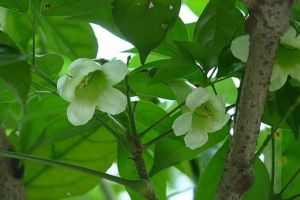
How to care for Radermachera sinica in winter? Detailed winter care methods
Many people complain that some plants lose their splendor from summer and spring as soon as winter arrives, looking listless and becoming difficult to keep alive. In fact, this is mainly caused by growers not understanding their plants' winter habits, especially for plants like Radermachera sinica (China doll), which need to be prepared for overwintering in winter.
-
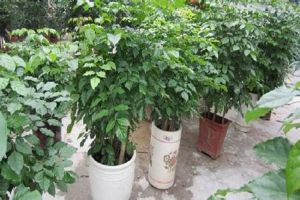
Does the Radermachera sinica bloom? Answering common questions about Radermachera sinica flowering
Many people are willing to grow plants like the money tree and Radermachera sinica at home, because they are not only attractive but also carry good meanings. And the greatest sense of achievement in growing them is seeing the plants you planted with your own hands bloom, but because this is relatively rare, many people have begun to wonder: can plants like Radermachera sinica actually produce flowers?
-
Common Pests and Diseases of the Radermachera hainanensis and Their Control Methods
It is also called the Hainan bean tree (Radermachera hainanensis). Its blooms are very large, very fragrant, and very showy, golden yellow in color, looking absolutely beautiful. Its ornamental value is extremely high, and it is planted in many gardens. If it encounters pest or disease damage during its growth and development, how should it be dealt with?
条件筛选