-

Key Points of Rabbit Farming Technology and Daily Feeding Management Methods
Rabbit Farming Technology
-

Reasons for Low Rabbit Reproduction Rates and How to Improve Them
How to Improve Rabbit Reproduction Rates
-
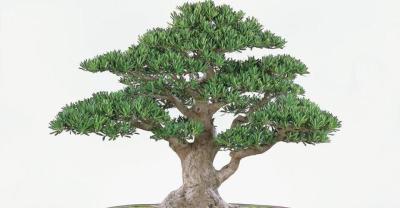
How to Grow the Rabbit's Foot Fern? Cultivation Methods for Indoor Ornamental Ferns
Pot and Soil Selection To grow the rabbit's foot fern, you can choose a pot according to your ornamental needs - a tall pot or a hanging basket will both work, and you can also choose distinctive...
-
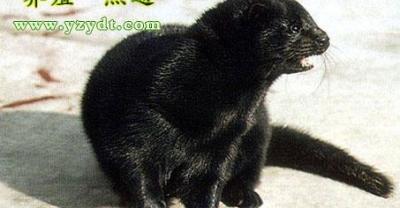
The order of feeding rabbits is very particular and quite different from other livestock farming
In the process of raising rabbits, many people are used to mixing various feeds together and feeding them, thinking that feeding this way saves effort, and that as long as they feed at fixed times, in fixed amounts, and a fixed number of times, it is fine, without paying much...
-

What should be noted when raising wild rabbits?
Temperature: Wild rabbits have extremely underdeveloped sweat glands and a dense coat on their body surface, so they are quite sensitive to ambient temperature. According to experiments, the optimal temperature for young wild rabbits is 30-35 ...
-

What are the causes of newborn rabbit deaths? How to effectively prevent and control them
Causes of newborn rabbit deaths and countermeasures
-

Winter prevention methods for rabbit Bordetella bronchiseptica disease
Rabbit Bordetella bronchiseptica disease, also called rabbit bronchial septic Bordetella bronchiseptica disease, is a common respiratory infectious disease of rabbits caused by Bordetella bronchiseptica. The disease is characterized by chronic rhinitis, bronchopneumonia and pharyngitis. This disease occurs frequently in autumn and winter and early spring. It is mainly spread through the air and infects via the respiratory tract. The incidence rate is high in young rabbits, and there are fatal cases. Adult rabbits are less commonly affected. This bacterium contaminates 64.4% of group-raised rabbits and 20% of free-range rabbits. Under natural conditions, this bacterium is parasitic in the upper respiratory tract of many kinds of mammals, often causing mutual infection of chronic respiratory diseases.
-
Rabbit Rearing Methods and Breeding Techniques
Size: total body length 40-45cm. Origin: native to south of central Europe. Diet: herbivorous. Although they are all commonly called rabbits, what general pet shops sell are domestic rabbits improved from wild European rabbits through selective breeding. There are many breeds; the most familiar to the public is the all-white Japanese White breed. In recent years, rabbits of other coat colors have gradually increased on the market and are also very popular. There is also a breed called the mini rabbit; in fact, it is not a true mini rabbit, but a cross between small rabbits such as the Dutch breed and the Belgian breed and the white Japanese rabbit.
-
Five Considerations for Formulating Rabbit Feed
Select ingredients according to local conditions. The selected raw materials must not only meet the nutritional needs of domestic rabbits, but also be adapted to local conditions, using locally available forage as much as possible. Pay attention to the diversity of feed. Combining multiple feeds can play a role in nutritional complementation. Pay attention to seasonal differences. In most areas of China, green fodder is scarce in winter and spring, and domestic rabbits are prone to vitamin deficiency, so supplementation should be noted. Pay attention to the palatability of feed. Domestic rabbits like bitter chicory, alfalfa (Medicago sativa), and soybean, and refuse moldy-smelling and fishy-smelling forage. Pay attention to the
-
How can wool rabbits grow more fur? These seventeen methods are worth trying
1. For each rabbit, use 0.5 g of sulfur, 1 g of silkworm droppings, 1 g of Smilax glabra, and 0.1 g of trace elements daily. Mix and crush them, then mix evenly with the feed and feed the rabbits. Generally, wool can be clipped 7-10 days earlier. 2. After wool rabbits are shorn, inject 250 mg of vitamin B12 intramuscularly per rabbit per day for 2-3 consecutive days; or orally administer compound vitamin B1 tablets (each tablet contains 3 mg of B1, 1.5 mg of B2, 0.2 mg of B6, and 2 mg of calcium pantothenate), using 1/4 tablet per rabbit per day
条件筛选