-

How do you prevent and control brown spot disease in primroses?
Symptoms of primrose brown spot disease: it occurs mostly on the fairy primrose (Primula malacoides). It is caused by Alternaria fungi of the Deuteromycota (Fungi Imperfecti). Infected plants have brown spots on their leaves. The route of infection is that conidia are spread by wind and rain. Control method: at the early stage of the disease, spray fungicides such as 70% chlorothalonil wettable powder at 1000 times dilution.
-
How do you prevent and control mosaic virus disease in primroses?
Symptoms The whole plant is affected. Leaves are small, deformed, with dark green mottling, and yellowing. Diseased plants do not bloom; even if they do bloom, the flowers have mottling, are stunted and deformed. The pathogen is Cucumber mosaic virus (CMV). Hosts include more than 190 species in 45 families of dicotyledonous and monocotyledonous herbaceous and woody plants, such as Cucurbitaceae, Solanaceae, Asteraceae, Brassicaceae, Rosaceae and Liliaceae. Transmission routes: more than 80 species of aphids can transmit the virus in a non-persistent manner, but the main transmission vectors are the green peach aphid and the cotton aphid. The main source of infection is surrounding weeds. Prevention and control
-
What are the growing environment requirements for primroses?
They prefer a cool summer and warm winter climate and a humid, well-ventilated environment. They require plenty of sunlight, with medium day length being ideal. They are not cold-tolerant, not tolerant of high temperatures, and sensitive to direct strong sunlight; they are not shade-tolerant, slightly drought-tolerant, and tolerant of moisture and fertilizer. They grow best in loose, fertile, well-drained sandy loam rich in humus. Light and temperature: preferring cool conditions and avoiding high temperatures are the basic temperature requirements for primroses. The suitable growing temperature is 20°C during the day and 5-10°C at night. They can grow well at 12-22°C. When the temperature is too high, the plants grow slowly, while at lower
-
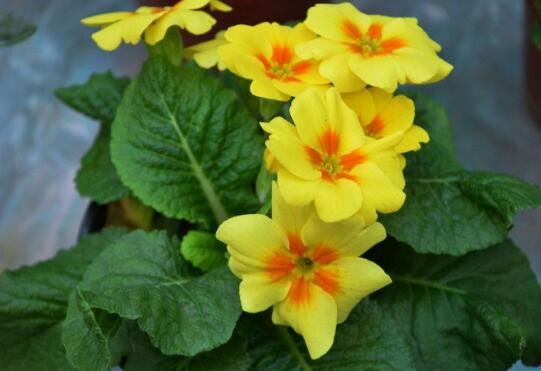
How to Grow Primroses? Cultivation Methods, Precautions, and Key Temperature Control Points
The primrose is a flowering plant native to the Yunnan region of China, and it can be seen in many provinces across the country, but there are many things we need to pay attention to if we want to grow it well. How do you grow primroses? What are the cultivation methods and precautions for primroses? Let's take a look below.
-
A Complete Guide to Propagating Primroses from Seed
Sowing time Primroses are mainly propagated by seed, and the sowing date should be decided according to when you want them to bloom; generally they will flower about 6 months after sowing. Primrose seeds have a relatively short lifespan, so it is best to sow them immediately after collecting the seed, or store them in a cool, dry place.
-
What are the cultivation methods and precautions for primroses?
1. Soil: For the potting soil, it is best to use a growing medium of 2 parts leaf mold, 1 part garden soil, with a small amount of base fertilizer mixed in. This growing medium is loose and fertile, mostly slightly acidic, which favors root development. 2. Light: Primroses like light by nature, but dislike intense direct sunlight. During the seedling stage in summer, the potted plants should be placed in a cool, ventilated spot with plenty of scattered light.
-
What are the propagation methods for primroses?
Sowing propagation method Sowing is a technical difficulty in cultivating primroses, because the seeds of this genus are tiny and short-lived, and old seeds kept until the following year mostly fail to germinate or have a very low germination rate. Therefore, collecting seeds at the right time is the prerequisite for achieving seed propagation. The germination period of seeds produced in the current year generally lasts about 20 days, and germination begins 7-10 days after sowing.
-

Can Primroses Be Grown Hydroponically? Hydroponic Methods and Care Guide
Primrose, also known as cuckoo flower or New Year flower. It belongs to the family Primulaceae, genus Primula (or the primrose genus), and is one of people's favorite flowers. So, do you know whether primroses can be grown hydroponically?
-

Primroses are suitable for planting in the shade under trees. What should you do if they don't bloom after being grown for several years?
If you want to plant some particularly delicate flowers in the shade under trees, then primroses are a good choice. However, you have to put up with their weed-like leaves. Their leaves are wrinkled and look quite ordinary, but the flowers are especially delicate and gorgeous...
-

Detailed Explanation of Key Cultivation Techniques and Management Methods for Primroses
Primrose Cultivation Techniques
条件筛选