-

Prevention and control of infectious diseases in pigs: management comes first
The new pig diseases that have emerged force us to re-evaluate existing production systems. If there is no vaccine, improved management methods must be used to control the disease; even with a vaccine, control may still fail without management. This article provides some basic methods to help pig farms adopt suitable approaches to control infectious diseases according to their own situations. The goal of disease control must be clear: the goal is to "control" the disease, not yet to eradicate it. Overall, control measures usually reduce the pig population in a reasonable way to cut off
-
How to treat chicken lice? Prevention and control measures and precautions
Prevention and control measures 1. Eliminating lice on the body surface. 1. Spraying to eliminate lice. At noon in spring, autumn and winter, you can choose non-toxic lice-eliminating essence (mix 5 ml of non-toxic lice-eliminating essence with 2.5 L of water) or use Houning insecticidal aerosol, non-toxic Duomieling, deltamethrin (Decis), etc., prepare a diluted solution according to the product instructions, and spray (pick up the chicken and spray against the feathers). 2. Sand bath to eliminate lice. For adult chickens, you can use sulfur sand (10 parts yellow sand plus 0.5-1 part sulfur powder, stir evenly) or use non-toxic lice-eliminating essence, ivermectin, abamectin
-
Symptoms and Prevention and Treatment Methods of Porcine Rotavirus Infection
Epidemiological characteristics Infected humans, livestock, and latently infected carriers are all sources of infection. The virus exists in the intestinal tract and is shed into the external environment with feces, infecting susceptible humans and livestock via the digestive tract. The disease spreads rapidly and occurs mostly in cold seasons. Piglets and young pigs are frequently affected. Adult pigs are generally latently infected. Pathological changes Affected piglets show lethargy, poor appetite, vomiting, and diarrhea, with feces that are yellow or gray, watery or pasty. The lesions are mainly confined to the digestive tract (especially the jejunum and ileum), with thinning of the intestinal wall and shortening of the small intestinal villi.
-
How to prevent and treat chicken gizzard erosion? A comprehensive analysis of its disease characteristics
Chicken gizzard erosion is a disease that occurs in young chickens, especially broiler chickens, and is similar to intestinal ulcer disease. Whether the disease occurs is closely related to the use of fishmeal in chicken feed. The occurrence of this disease often brings corresponding economic losses to chicken production. 1. Clinical symptoms and disease characteristics: chickens from 1 to 5 months of age can be affected, with mortality varying, and in severe cases reaching more than 10%. Affected chickens mainly show reduced appetite, listlessness, squatting, fluffy feathers, emaciation, and pale combs and wattles
-
How to prevent chicken stress? Master these eight measures
Reduce stocking density. One set of equipment to support 100 adult chickens is relatively reasonable, and the stocking density per sq m should be 6~8 birds. After the flock is fixed, do not casually add new chickens to the group. Be cautious when moving the flock or relocating to a new site. Moving the flock is best done at night. 2~3 days before moving, add an appropriate amount of antibiotics and multiple vitamins to the feed or drinking water. 1~2 hours before catching the chickens, add chlorpromazine to each kg of feed, 30 mg per chick, and 50 mg per adult chicken or growing chicken. Carefully formulate feed according to the age of the chickens
-
Wooden Tongue Disease in Cattle Is Highly Prevalent in Autumn, Farmers Need to Pay Attention to Prevention and Treatment
Wooden tongue disease in cattle is a type of excess heat syndrome caused by accumulated heat in the heart meridian and swelling and hardening of the tongue body. The symptoms of this disease are characterized by: the tongue body is swollen and hard, shaped like a wooden stick, and cannot move freely. This disease often occurs in autumn, mostly due to the dry autumn climate combined with excessive labor, rushing about too quickly, prolonged thirst without drinking, or feeding grain in excess while the animal is hot, which causes heat pathogen to accumulate in the heart and chest and attack upward to the tongue. Treatment: First, use crushed scallion leaves to rub and massage the surface of the cow's tongue until the tongue becomes soft. Then choose one of the following methods for treatment: (1) Coptis chinensis 2
-
Symptoms and Prevention and Treatment Methods of Fowl Typhoid
Fowl typhoid is a septicemic infectious disease occurring in adult chickens and young chickens, characterized by lesions of parenchymal organs such as the liver and spleen and diarrhea. This disease is caused by Salmonella gallinarum. [Symptoms] It mainly occurs in young chickens over 3 weeks of age and adult chickens. The symptoms shown by sick chickens are listlessness, ruffled feathers, drooping head, and refusal to eat. The more characteristic symptoms are diarrhea, passing pale yellow to green watery droppings, soiling the feathers around the vent, frequent drinking, and if peritonitis occurs, a penguin-like standing posture. Chronic sick chickens emaciate
-
Symptoms and Prevention and Treatment Methods of Chronic Respiratory Disease in Chickens
Ascites syndrome is a common non-infectious disease occurring in broiler chickens. It mainly occurs in fast-growing large broilers aged 20-40 days. Its characteristic manifestation is obvious fluid accumulation in the abdominal cavity, with severe damage to the heart, lungs, and liver. Although the incidence rate is not high, the mortality rate after onset is close to 100%. Causes: This disease has multiple causative factors. In addition to the physiological and anatomical characteristics of broilers themselves, there are also environmental factors and secondary infection with pathogens after poisoning. Generally speaking, any factor that causes portal venous circulation disturbance or right heart failure can lead to ascites.
-
-
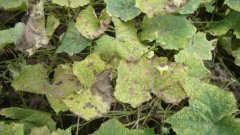
How to Treat Cowpea Fusarium Wilt? A Complete Guide to Prevention and Control Methods
Cowpea is a common vegetable on the market, and many people enjoy eating it, so how do you treat cowpea that has caught wilt disease? Let's take a look together. Cowpea (commonly known as "cai dou" in Taiwanese) has a growing season from April to September, and is an important edible pod vegetable in Taiwan, China, during the summer,
条件筛选