-

What to Do When Polyscias Leaves Drop: Supplement Light, Water, Apply Dilute Fertilizer, Spray for Pest and Disease Prevention
Polyscias, an evergreen foliage plant, has leaves shaped like a bellyband that make people love it at first sight. In daily life, many plant lovers grow Polyscias just to enjoy its leaves, so when these beautiful leaves turn yellow and ugly, plant lovers must be very anxious! So what should you do when Polyscias drops its leaves
-
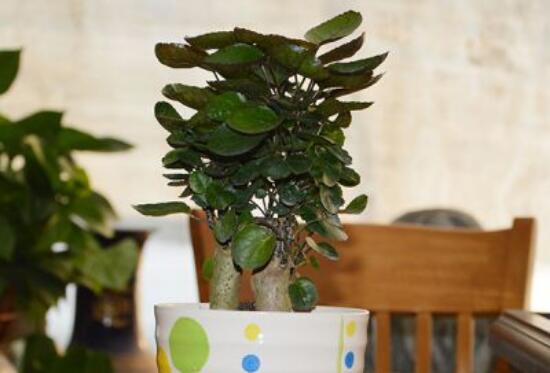
How to water Polyscias? Water when dry, keep the potting soil moist
As a foliage plant, Polyscias not only has large leaves but is also evergreen all year round, making it very pleasing to the eye when kept at home. However, if you want to appreciate the beauty of Polyscias, careful care is indispensable, especially when it comes to watering, which must be paid attention to, as it can neither be too much nor too little. So how do you water Polyscias?
-

Polyscias bonsai picture appreciation, beautiful shapes worth a look
Isn't the Polyscias bonsai beautiful? To learn more about Polyscias, please follow Four Seasons Plants Network.
-
What to Do When Polyscias Leaves Turn Yellow and Drop? Causes and Solutions
I. Overwatering Polyscias (Ming aralia) likes moisture but hates waterlogged soil, so overwatering does not promote its growth; instead, it causes adverse symptoms such as yellowing leaves. Because Polyscias is also drought-tolerant, its roots can grow normally in dry conditions, but they cannot tolerate being soaked in water. Once there is too much water,
-
What to pay attention to when growing Polyscias
Water needs vary by season. In midsummer, when temperatures are high, besides watering adequately, you also need to spray the leaves once a day. In late autumn and early winter, when the temperature drops below 15°C, watering should be controlled. In winter, reduce the amount of water given, or replace watering with spraying, keeping the potting soil slightly moist and a little on the dry side, but when spraying the leaves
-
Fukugi (Polyscias) cultivation methods and precautions
Watering: Potted Polyscias plants prefer relatively moist soil and air conditions. During the growing season, they need a sufficient water supply, watered once every 1 to 2 days. Adjust according to specific conditions: water thoroughly when the soil has dried out; slightly dry soil is also fine, but do not water too frequently, to avoid waterlogging and root rot.
-
How to grow Polyscias? Mastering these care methods is key
Polyscias is very easy to grow; it can grow outdoors in full sun and even indoors with no natural light at all under fluorescent lamps. However, it is actually quite sensitive to changes in its environment. When it has just moved, it has not yet adapted to the new environment, so it tends to drop leaves heavily. Once the leaves of the Ming aralia (Polyscias fruticosa) are about to fall, they do not drop as a whole leaf from the main stem
-

Detailed Guide to the Cultivation Methods and Precautions for Polyscias fruticosa
Cultivation Methods for Polyscias fruticosa
-
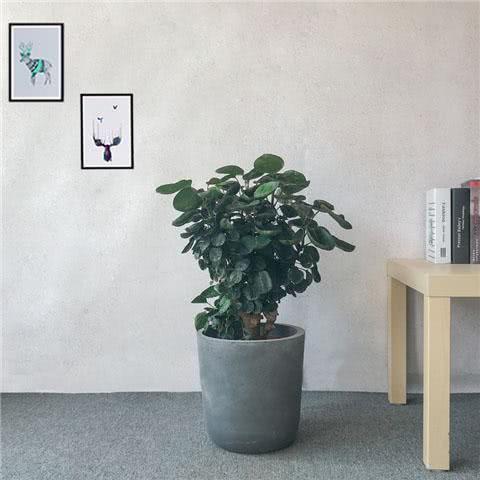
Prune Polyscias fruticosa like this for lush branches and leaves and even better fortune
The leaves of Polyscias fruticosa look like a bellyband, making it a potted plant deeply loved by people. Polyscias fruticosa is also called Fuluton, carrying the meaning of blessings and prosperity arriving, and promotion in rank. So how should Polyscias fruticosa be pruned? Mastering the pruning method well can make the plant grow more luxuriantly...
-
How to propagate Polyscias balfouriana by cuttings? These key points you need to master
Polyscias balfouriana is native to the Pacific Islands, and it is not difficult to cultivate artificially. Because its leaves are bright and variable, it has become a very popular foliage plant in recent years. Artificial propagation of Polyscias balfouriana can be done by cuttings. The editor will briefly introduce it for you
条件筛选