-

Why Reasonable Water Intake for Pigs Cannot Be Ignored
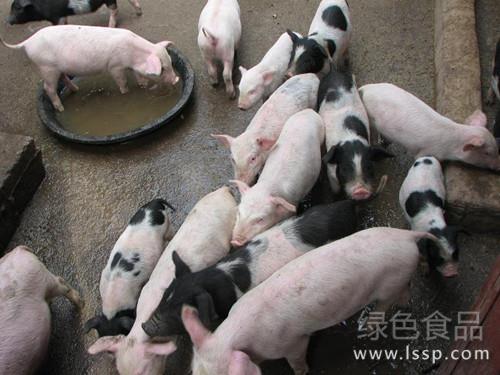
1. The Harms of Insufficient Drinking Water for Pigs Currently, in pig raising, there is a widespread phenomenon of only valuing feeding while neglecting drinking water, not realizing that drinking water for pigs is equally important as feeding, or even more important. The main harms of insufficient drinking water are: 1. Insufficient drinking water leads to an increased incidence of intestinal diseases in pigs. In rural household pig farming, most use the traditional feeding method of supplying water and feed all at once, and between meals, regardless of weather conditions or feed type, no drinking water is provided. After pigs become thirsty due to insufficient drinking water, especially in hot summers, they often drink dirty water and similar things.
-
Why is it hard to raise finishing pigs in winter yet still profitable, and how can management be done well?
Raising pigs in winter is difficult but profitable; how to best manage finishing pigs
-
What are the treatment methods for urinary stones in pigs?
Causes: Urolithiasis, also known as urinary stones or urethral stones, is a concretion of salt crystals in the urinary tract, causing mucosal irritation, bleeding, inflammation, urethral obstruction, difficulty urinating and abdominal pain. Urinary stones originate in the kidney or bladder, while obstruction can occur in the ureters and urethra. This disease is mainly closely related to the quantity and quality of feed and drinking water, the state of mineral metabolism in the body, and the functional activity of the urinary organs, especially the kidneys. Symptoms: If the urinary stones are small in size and few in number, generally no symptoms appear. In severe cases, the main signs are uri
-
Comprehensive Prevention Methods for Two Common Summer Diseases in Pigs
I. Piglet coccidiosis: This disease occurs mostly in late spring and early summer, mainly affecting suckling piglets aged 6-15 days. Drug prevention and treatment: 1. Toltrazuril: Piglets are given a single oral dose of toltrazuril at 3-6 days of age, at 20 mg per kg of body weight. 2. Sulfonamides: The therapeutic dose of sulfadimidine (sulfamethazine) is 20-25 mL per kg of body weight, once a day for 3 consecutive days. II. Swine streptococcosis: It occurs mostly in the warm season from May to November and is a zoonotic infectious disease. Prevention: per ton of feed use
-
What to Do When Pigs Get Lice? Early Prevention and Control Is Key
Pig lice (haematopinus, hog lice) are wingless small insects that parasitize the body surface of pigs, mostly in the armpits, inner thighs, lower jaw, lower neck, and skin folds on the lower sides of the body, and also commonly behind the auricles. Pig lice suck the blood of pigs, causing itchy skin and restlessness. In severe cases, they can also cause skin damage, weight loss, and anemia in pigs, affecting their growth and development, and they can occur in all four seasons. Healthy pigs can be directly infected through contact with lice-carrying diseased pigs, or indirectly through equipment, bedding straw, and so on. Pig lice reproduce quickly and are good at
-
What to do about Mycoplasma suis infection in pigs? Detailed explanation of prevention and treatment methods
Mycoplasma suis infection in pigs (abbreviated as M. suis disease) is not a new disease; it was reported in India as early as 1932, but it had long received no attention. Only in the past two years has the disease suddenly become more common, occurring and spreading in many regions and pig farms across the country, which is what has drawn people's attention. The disease is characterized by anemia, jaundice and fever. Its harm lies in the economic losses caused by the decline in pig production performance, including increased intestinal and respiratory infections, reduced sow fertility, delayed marketing of finishing pigs, and so on. 1. Disease
-
What are the simple methods for identifying sick pigs?
1. Look at the movements. A healthy pig keeps its tail swinging constantly and reacts quickly and nimbly to outside stimuli. A healthy adult pig is greedy for food and fond of sleep. If food is given, it will come at the call, lie down and doze after eating its fill, and when a stranger approaches, it will stand up, raise its eyes and keep wagging its tail. If a pig is found to be listless, sluggish in movement, often lying down and unable to get up, refusing to eat or drink, with a stiff back, unsteady walking, and drooping head and tail, then it is a sick pig. 2. Look at the skin. A healthy pig has smooth, rounded skin and full muscles; if the pig
-
What are some clever ways to correct pigs' bad habits?
Pen-breaking: Trim the upper eyelashes of a pig that breaks out of its pen short, and trim them again once they grow long. This way, when the pig raises its head to break out, its eyes will be irritated by wind, light and dust, creating a sense of fear, and after several times, the pig will no longer break out. Wall-chewing: Pigs chew walls often because of insufficient salt intake. Generally, the salt content in the diet of 60-90 kg fattening pigs should reach 0.25%, and the salt content in the diet of breeding boars should reach 0.35%. Biting fights: When pigs from different pens are kept together in the same pen, biting fights often occur. If the pigs originally in the pen are first driven
-
Case Analysis of Intraperitoneal Fluid Therapy for Moldy Feed Poisoning in Pigs
1. Clinical symptoms: The sick pigs were depressed, had weakened vision and slow responses, unsteady staggering gait, and diarrhea with grayish-yellow feces (some mixed with blood). Some sick pigs vomited, and a few circled or pressed their heads against the wall. Red patches appeared on the skin at the base of the ears, abdomen, and inner sides of the limbs. The body temperature of the sick pigs was 37.8-38.5°C. 2. Necropsy changes: The liver of the dead pigs was significantly enlarged, pale yellow, and brittle; the gallbladder was enlarged, and the lymph nodes were edematous. 3. Diagnosis: Upon inquiry, it was learned that the pig
-
What causes vomiting in pigs? Common diseases and prevention and treatment methods
In production, the symptom of vomiting in pigs can often be seen. Sometimes we may think it is some common gastrointestinal disease, but we must pay attention to the possibility that it may be caused by certain infectious diseases. Below is a summary of the diseases that can cause vomiting in pigs. 1. Porcine transmissible gastroenteritis. Porcine transmissible gastroenteritis is a highly contagious viral infectious disease characterized by causing vomiting, severe diarrhea and high mortality in piglets under 2 weeks of age. Although pigs of different ages are all susceptible to this virus,
条件筛选