-

What are the symptoms of acute muscular rheumatism in pigs in autumn?
Rheumatism is an infectious allergic disease associated with hemolytic streptococcus. This summer there was a lot of rain, with long periods of continuous wet weather, and most pens were damp. At present the disease is on the rise. Symptoms: the disease is mainly triggered by draughts and by damp and cold conditions in the pig house, with sudden onset. The affected body functions are impaired; pigs with rheumatism of the lower back and limbs are more common, showing a back as stiff as a board and inflexible movement, with a sticking gait and short, slow steps in the early stage; as the disease worsens, the limbs are stretched out and the pig cannot stand, lies on the ground unable to get up, and when forced to stand, the limbs and the whole body muscles tremble, body temperature is slightly elevated, and appetite is reduced.
-
Product Introduction of Baofeng Brand 811 Concentrated Feed for Pigs
This product is a high-efficiency concentrated feed. Its main contents: crude protein >= 39%, crude fat >= 5%, crude fiber <= 5%, calcium >= 4%, phosphorus >= 1.4%, lysine 1.3-1.5%. Suitable for growing-finishing pigs from weaning to market. Feed-to-meat ratio 3.14:1, feed utilization rate increased by 7.32%, feeding cost reduced by 8.25%, with significant benefits. When mixed with energy feed at 20%, 15%, and 10%, it yields complete feed for small, medium, and large finishing pigs. It passed appraisal on September 29, 1987. In 1988 it was rated as Jiangxi
-
Detailed Explanation of Key Points for Scientific Feeding and Management of Nursery Pigs
1. Suckling piglets. After birth, ensure every piglet can consume enough colostrum, which can improve immunity, enhance disease resistance, and reduce the occurrence of diseases. The temperature of the lying area for newborn piglets is required to be 35-37°C, then decrease by 2-3°C each week, with the activity area temperature at 20-24°C. On the 2nd day after birth, use high-quality iron supplements to inject 100-150 mg of iron intramuscularly per piglet. According to the actual situation of the farm, 2-3 days before the onset of diarrhea in piglets, inject long-acting
-
What to Do About Organochlorine Pesticide Poisoning in Pigs? Detailed Treatment Methods
1. The cause is feeding pigs forage that was sprayed with 666 or 223 (DDT) pesticides not long before, or using such pesticides to kill lice and mange at too high a concentration, which causes poisoning after pigs lick it. 2. Symptoms: In acutely poisoned pigs, appetite is completely lost, the mouth foams, salivation, vomiting, listlessness, dilated pupils, teeth grinding, convulsions, screaming, paralysis of the hind limbs or all four limbs, labored breathing, diarrhea or anal incontinence; in severe cases, heart sounds become weak and the pig dies of cardiac paralysis. In chronically poisoned pigs, poor appetite, nausea, vomiting, skin flushing,
-
Pigs need a reasonable water supply, and pig farmers must pay attention to it
I. The harm of insufficient drinking water for pigs. At present, in pig raising there is a widespread phenomenon of only paying attention to feeding while neglecting drinking water, not realizing that drinking water for pigs is equally important as feeding, or even more important than feeding. The main harms of insufficient drinking water are: 1. Insufficient drinking water can lead to an increased incidence of intestinal diseases in pigs. In household pig farming by farmers, most use the traditional feeding method of supplying water and feed all at once, and between meals, regardless of the weather conditions and regardless of the type of feed, no drinking water is given. Because pigs are thirsty due to insufficient drinking water, especially in hot summer, they often drink dirty water
-
Laminitis in pigs is a surgical disease of swine.
[Causes]In the past, clinical cases of laminitis in pigs were relatively few, but in recent years the incidence has increased. There are many factors that trigger laminitis. At present, due to the use of various additives, pig feed is formulated with comprehensive and sufficient nutrients, the feed is rich and highly palatable, pigs are greedy eaters and lethargic, and exercise little. In addition, with the increase in confinement and cage rearing, pigs become fat and fleshy in a short time and their body weight increases rapidly. Such a huge pig body increases the pressure on the narrow hoof capsule, and coupled with insufficient exercise, poor blood circulation in the hoof, and impeded and obstructed hoof mechanism, when digestive disorders occur, the feed in the gastrointestinal tract ferments and produces histamine-like toxins, causing the hoof, which is rich in
-
The correct method and technique for injecting pigs
Injecting pigs is the main method for preventing and treating pig diseases. The commonly used injection methods include intramuscular injection, subcutaneous injection, intravenous injection, and intraperitoneal injection. Intramuscular injection: muscle tissue is rich in blood vessels, so the injected medicinal liquid is absorbed relatively quickly; in addition, there are fewer sensory nerves distributed in the muscles, so the pain caused is relatively mild, making it the most commonly used injection method. The injection site is generally chosen at the well-fleshed buttocks or neck. During injection, first clip the hair and disinfect, then hold the syringe with the right hand and insert the needle vertically. The depth can be determined according to the size of the pig
-
Sweet potatoes are nutritious, but they must be fed to pigs properly: four taboos to note
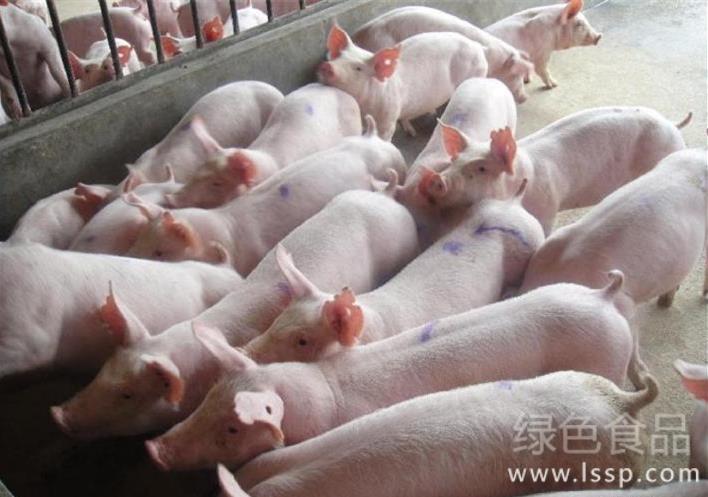
Though nutritious, sweet potatoes must be fed properly: four taboos when feeding sweet potatoes to pigs
-
How to formulate feed for pigs during lactation? Sharing practical formulation tips
Sows during lactation need large amounts of nutrients to support milk production. At peak lactation, the sow's milking capacity exceeds the nutrients she takes in through feed and the nutrients excreted in milk are greater, so the sow's body condition declines rapidly. Formulating high-quality, high-nutrient-density feed for lactating sows is the best way to resolve this contradiction. Feed Formula 1: Lactation Feed Formula 1 in Table 4-3 avoids as much as possible the use of bulky feeds such as alfalfa and rice hull bran. In the design of lactation feed formulas, unknown nutritional factors appear less important
-
What are the main coat color types of pigs?
Pigs have many coat color types, mainly caused by differences in the type and distribution of melanin. There are two types of melanin: one is eumelanin, which exists in two forms, black and brown; the other is pheomelanin, which exists in two forms, yellow and red. Melanin is a conjugated protein, and all pigs contain it, only the amount and distribution differ. For example, the content in the coat of white Large Yorkshire pigs is about 0.07%, while black pigs contain 6.18%. The main coat color types of pigs are
条件筛选