-

Asia-Pacific feed output expected to keep growing
The latest survey by the Miels organization points out that in 2013 the average annual growth rate of global compound feed was 1.1% (963 million tons), while in 2009 and 2011 the average annual growth rates of global compound feed were 1.1% and 1.5% respectively.
-
How should the direction of Pacific white shrimp farming development be chosen?
If development is a kind of harvest, then transformation is a kind of innovation for sustained development, and both development and transformation require paying a price! White shrimp farming has always been a high-risk investment with high-benefit returns, integrating capital intensity and technology intensity into one
-
What preparatory work is needed before stocking Pacific white shrimp
The preparatory work before stocking Pacific white shrimp mainly includes repairing the shrimp ponds, drainage and irrigation systems and other production facilities, clearing the ponds with chemicals, and cultivating basic bait organisms. I. Shrimp pond preparation (1) Drying the pond The purpose is to restore the pond bottom. Generally, after harvest, the pond water should be drained
-
Differences Between Chub Mackerel and Pacific Saury: Main Points to Look At
Both chub mackerel and Pacific saury are fish that live in the sea, and many people assume they are the same, but in fact the two are different. So, what are the differences between chub mackerel and Pacific saury? Difference one, different family and genus: chub mackerel is a fish of the order Perciformes, family Scombridae, genus Scomber
-
What are the key points for disease prevention in Pacific white shrimp
The Pacific white shrimp, also known as the whiteleg shrimp, has an average lifespan of more than 32 months and a high yield per unit, making it very popular among farmers. So, what are the key points for disease prevention in Pacific white shrimp farming? Let's find out together! 1. Choosing the environment Choose a good farming
-
What Kind of Fish Is the Japanese Spanish Mackerel? Four Major Differences from the Pacific Saury Explained at Once
The Japanese Spanish mackerel, also known as the blue-spotted mackerel, is a relatively large marine fish with extremely high nutritional value. Eating it regularly can boost qi, treat anemia, and prevent aging, making it very suitable for elderly people to eat. It is fairly common in supermarkets nowadays, and its price is a bit on the expensive side. So what kind of fish is the Japanese Spanish mackerel? And what
-
Are chub mackerel and Pacific saury the same? Differences, price, and which is better
Regarding the question "Are chub mackerel and Pacific saury the same?", more than one person has expressed doubt online, and many even think they are the same fish. So, are chub mackerel and Pacific saury actually the same? Can you tell the difference between them? The two
-
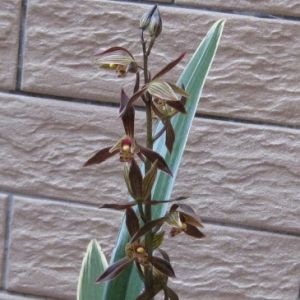
What kind of orchid is the Pacific Cymbidium sinense? Introduction to its variety characteristics
Cymbidium sinense Pacific line-art variegation
-
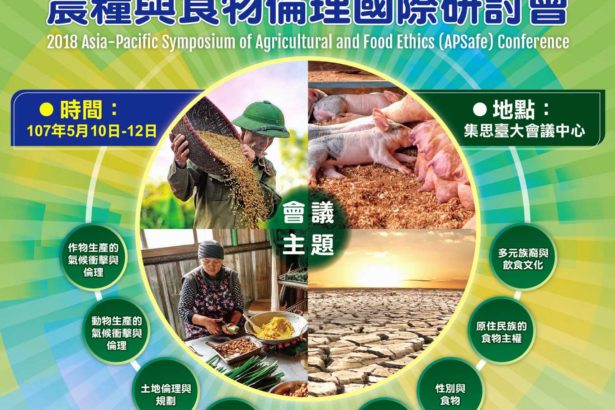
2018 Asia-Pacific Agri-Food and Food Ethics International Symposium to Debut in Taiwan in May
International Masters Gather | 2018 APSafe Asia-Pacific Agri-Food and Food Ethics International Symposium, Debuting in Taiwan in May
-

2015 Asia-Pacific E-Commerce Century Summit Takes On a Trillion-Yuan Industry
The "2015 Asia-Pacific E-Commerce Century Summit," jointly planned and organized by the Industry Promotion and Service Division of the Institute for Information Industry (III IPSD) and SmartM Century Think Tank, grandly kicked off on the 5th at the Taipei International Convention Center (TICC),...
条件筛选