-

Thai rice draws orders for 950,000 tons from Malaysia and nine other countries
Malaysia and nine other countries rush to order 950,000 tons of Thai rice
-
Philippines' agricultural production growth slows to 1.5% in first nine months
Philippines' agricultural production growth slows to 1.5% in first nine months
-
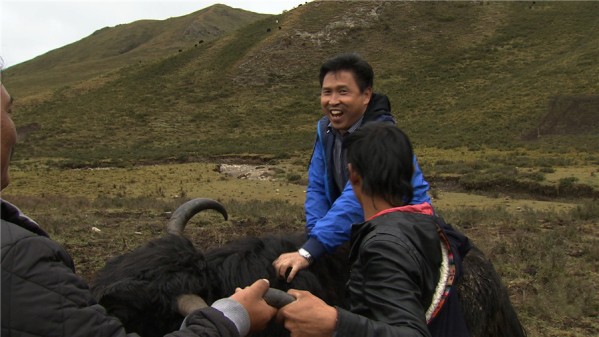
Nine days and nine nights to crack the secret of immense wealth
Nine days and nine nights to crack the secret of immense wealth
-

The nine major platforms of the Beijing-Zhangjiakou "network expressway" are operating steadily
The nine major platforms of the Beijing-Zhangjiakou "network expressway" can be solid
-
Why can an area with nine years of drought out of ten achieve bumper harvests year after year?
With nine years of drought out of ten, where do consecutive bumper harvests come from?
-
Nine-Grade Fragrant Lotus Cultivation: Millionaire Zhou Xingying Returns Home to Start a Business and Build a Health Industry
Millionaire Zhou Xingying Returns Home to Start a Business Cultivating Nine-Grade Fragrant Lotus to Build a Health Industry
-
How to Diagnose and Prevent Canine Clonorchiasis
Canine clonorchiasis is a parasitic disease caused by Clonorchis sinensis (C. sinensis) of the genus Clonorchis, family Opisthorchiidae, parasitizing the gallbladder and bile ducts of dogs. The disease is widely distributed in China, with reports from more than 20 provinces and municipalities, and it is most severe in the southern provinces. There have been few reports of this disease in the northern Liaoning region. Since the summer and autumn of 2001, the author has noticed that the disease occurs from time to time in this region and should be taken seriously.
-
Detailed Explanation of Canine Disease Diagnostic Techniques: Introduction to Palpation Methods
This involves using fingers, the palm, or the back of the hand to touch the corresponding parts of the dog's body to determine whether there is any lesion, as well as the location, size, shape, hardness, humidity, temperature, and sensitivity of the lesion. In addition, diagnostic instruments (such as various probes) can also be used for palpation. Palpation with instruments requires certain equipment, medical knowledge, and technical skill, which is generally difficult for ordinary households to manage; therefore, we focus on introducing the method of using the hands to touch the dog's body to examine and discover abnormal signs. Palpation is usually based on inspection, with key touching of suspicious areas and organs. Palpation can be divided into superficial palpation
-
What are the treatment methods for canine cirrhosis?
Canine cirrhosis is a disease in dogs in which the proliferation, degeneration, necrosis, and regeneration of liver parenchymal cells lead to deformation and hardening of the liver and loss of normal physiological function. 1. Etiology Primary cirrhosis is very rare; secondary cirrhosis can be seen in association with poisoning by copper, arsenic, phosphorus, chloroform, carbon tetrachloride, pitch, gossypol, and aflatoxin; congestive heart failure, heartworm disease, valvular heart disease, portal vein thrombosis, bile duct disease, infectious hepatitis, and others are also causes that induce cirrhosis. 2. Symptoms The course of the disease is relatively long and develops chronically.
-
Diagnosis and Treatment Analysis of a Case of Canine Eperythrozoonosis
Eperythrozoonosis is a zoonotic infectious disease caused by Rickettsia-like Eperythrozoon parasitizing the red blood cells or plasma of humans, pigs and many other animals. In recent years, eperythrozoonosis has shown an upward trend. The disease can infect many animals, bringing huge losses to the breeding industry and inconvenience to people's daily lives. The Baoding Animal Hospital recently admitted a sheepdog that was diagnosed with eperythrozoonosis and recovered after treatment. Some diagnosis and treatment experience is introduced below.
条件筛选