-
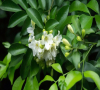
When does Murraya paniculata bloom and how long does the flowering period last? Growing methods and precautions
Murraya paniculata (orange jasmine) is an evergreen shrub belonging to the genus Murraya in the family Rutaceae. The leaves of Murraya paniculata are usually odd-pinnately compound, with alternate leaflets. Its flowers are pure white and small, borne in cymes, with a rich fragrance that can drift far away, which is also the origin of its name "Jiulixiang" (fragrance within nine li). Murraya paniculata usually blooms from April to August each year
-
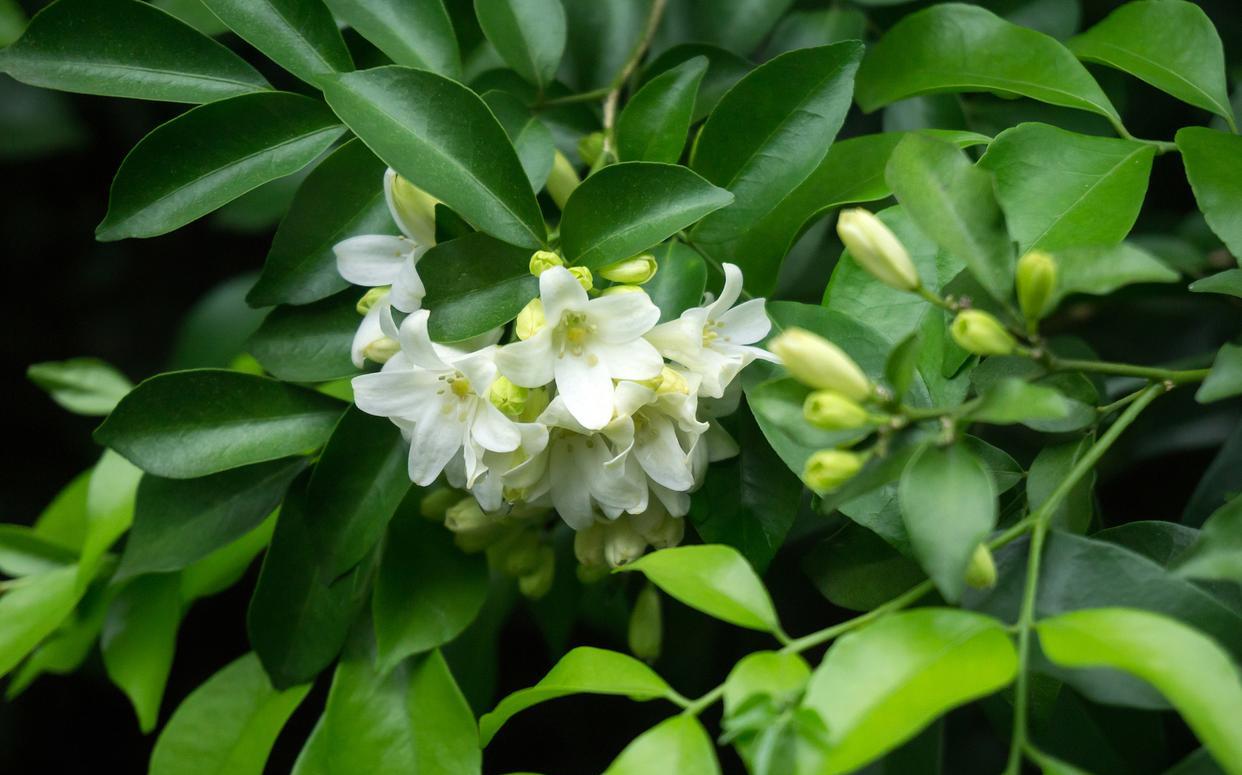
When does Murraya paniculata bloom and how long is its flowering period?
Murraya paniculata is an evergreen shrub belonging to the genus Murraya of the Rutaceae family. The leaves of Murraya paniculata are usually odd-pinnate
-
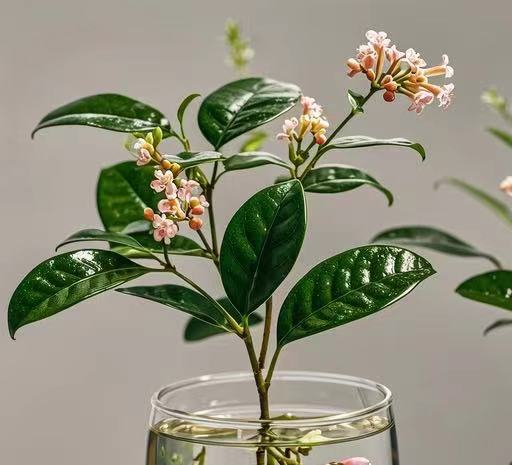
How to cultivate hydroponic Murraya paniculata to make it blossom?
Murraya paniculata is highly favored for its unique fragrance and charming posture. And hydroponic Murraya paniculata brings you a fresh and convenient
-

How to grow Murraya paniculata (orange jasmine)? A full breakdown of cultivation methods and precautions
The first is soil quality; you need to choose a sandy soil that is nutrient-rich and loose. The second is water; the general principle is "dry-wet cycle" (water when dry, let it dry out between waterings). The third is light; you must ensure five to six hours of light a day. The fourth is temperature; the most suitable temperature is 20-
-
How to Create and Care for a Murraya paniculata Bonsai
Murraya paniculata (orange jasmine) is an evergreen shrub of the genus Murraya in the family Rutaceae, sometimes able to grow into a small tree form, with graceful plant posture, elegant branches and leaves, and a rich floral fragrance; it prefers to grow in sandy soil and sunny places. In southern regions it is mostly used as hedge material, or as an ornamental feature for flower gardens and hotels, and also as
-
What to Do When Murraya paniculata Leaves Dry Up? Causes and Solutions
Hearing the name Murraya paniculata (orange jasmine), it is easy to imagine that this flower must be extremely fragrant, able to spread its scent for miles. This plant is mainly distributed in the southern regions of our country, because it requires relatively high temperatures to grow and is not cold-tolerant. Murraya paniculata can be planted in courtyards
-
How to grow orange jasmine (Murraya paniculata)? A detailed guide to the latest cultivation methods
Orange jasmine (Murraya paniculata) is a small tree that can grow to over eight meters at its tallest. It is suited to warm places. In China, orange jasmine is basically grown in Yunnan, Guizhou, Hunan, Guangzhou, Hainan and other places, where the climate is relatively mild and meets
-
How Does Orange Jessamine Get Through Winter? The Latest Care Methods for You
Orange Jessamine (Murraya paniculata) is also known as Qilixiang, Qianlixiang, Wanlixiang, and Guoshanxiang. From its names alone, we can imagine how rich and powerful its fragrance is. With its graceful form, elegant foliage, and intense floral scent, it is extremely popular and often grown as a bonsai. In addition, it also has medicinal value
-
When does Murraya paniculata bloom? The latest flowering period introduction
Murraya paniculata is also called mock orange and many other names, and like citrus it belongs to the Rutaceae family. The plant is a shrub, and some also call it a small tree. It mainly grows in the tropical regions of the south. As for when it blooms, we can take a look together in a moment. The article will also
-
How to make a Murraya paniculata bonsai? Latest method explained in detail
Seedling selection Murraya paniculata (orange jasmine) is an ornamental plant suitable for both soil planting and pot cultivation. Common seedling sources include slower artificial propagation methods such as sowing and cuttings, or you can search mountain forests yourself for old, quaint and elegant tree stumps to transplant. Pot selection It is recommended to choose a glazed pottery pot, which has strong water permeability
条件筛选