-

What peach tree varieties are there? These few high-quality varieties are the most sought after
China is a major peach-growing country, with extremely rich variety resources, and its cultivation technology also holds a leading position in the world. Therefore, in recent years, although China has also introduced some peach tree varieties from abroad, they have not had much impact on China's peach production. In China's nursery stock market last year, the peach tree varieties that were relatively sought after were almost all local varieties. So, which peaches are relatively sought after at present? Zhang Shubin, a researcher at the Beijing Academy of Agriculture and Forestry Sciences, answered this question. Industry experts usually divide peaches into white peaches, nectarines
-
What is the most suitable body weight for snakes used for breeding
Like other poultry and livestock, snakes that are too heavy or too light in body weight cannot be used for breeding. Snakes used for breeding must be in their youth, and the same species also has specific weight limits, so as to ensure the quality of the breeding snakes. Generally speaking, the body weight specifications of breeding snakes must be controlled as follows: small snake species about 100-150 g each; medium snake species 150-350 g each; large snake species about 250-700 g each. Those that are too large or too small cannot be included in the range of breeding snakes.
-
Pig poisoning is mostly caused by feeding them half-cooked feed
Some farmers feed pigs with half-cooked feed, and shortly after eating, the pigs become restless and agitated, walk unsteadily, have difficulty breathing, and die from convulsions. This is food poisoning, and the main causes are as follows: First, putting green vegetables in a pot and cooking them slowly over low heat for a long time without stirring them can easily produce a toxic substance called hydrocyanic acid, and pigs are highly susceptible to poisoning after eating it. Second, the feed is not cooked thoroughly and spoils after being left standing for a long time. When pig feed is kept sealed in a pot overnight at around 40°C to 70°C, the nitrates in the feed will turn into a toxic substance called nitrite
-
When is the most suitable time to harvest wine cap mushrooms?
The wine cap mushroom (Stropharia rugosoannulata) is larger than common edible mushrooms. A common edible mushroom weighs about 10 grams per cap, while a wine cap mushroom weighs around 60 grams, with the heaviest reaching up to 2500 grams, and a diameter of 5-40 cm. It should be harvested in a timely manner according to its maturity and market demand. From pinning, that is, the appearance of the white primordium, to maturity, the fruiting body takes about 5-10 days, varying with temperature. At low temperatures it grows slowly, but the mushroom body is thick and fleshy and the cap is not prone to opening. Conversely, at high temperatures it presents a small cap shape and opens easily. Throughout the entire growing period, 3 flushes can be harvested.
-
What is the most appropriate energy-to-protein ratio for fish feed?
Since the first requirement of fish in taking in nutrients is to meet their energy needs, from the perspective of fish nutrition, energy is the foundation of fish feed quality. The energy in feed is the sum of the energy contained in the three major nutrients in the feed - protein, fat, and carbohydrates. As a nutrient, protein is not only a major energy-supplying substance, but also has extremely important physiological functions, and these physiological functions cannot be replaced by fat and carbohydrates, and fish have a particularly high demand for protein, so protein is
-
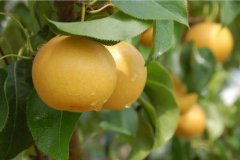
The pear with the greatest development prospects: what is organic pear tree cultivation and management like?
These days everyone talks about wanting to be healthy, and that is how organic fruits and vegetables came about. Today let us first take a look at what makes organic pears different and how they are cultivated. Arriving at "Risen Organic Shangjiang Pear Orchard" in Sanxing Township, Yilan, owner Liao Junqin is busy harvesting just-ripened
-
What are the most common pests and diseases of Japanese euonymus (Euonymus japonicus)?
1. Box tree pyralid (Glyphodes perspectalis). The larvae spin silk to bind surrounding leaves and tender twigs into temporary nests, then feed inside them; in severe cases they eat all the leaves, causing the seedlings to die. Morphological features: the adult has grayish-white body and wings, with purplish-brown broad bands on the costal, outer and inner margins of the forewing; there are two white spots on the purplish-brown costal band, and the scales are glossy with a purplish-red sheen. The larva has a black head, a yellow-green body, and the dorsal line, subdorsal line and upper spiracular line are dark green to dark greenish-black, while the spiracular line is orange-yellow. Occurrence pattern: in northern regions there are 2 to 3 generations a year, with the larvae in
-

Black Tide Survey: Microplastics Found in Seas Around All of Taiwan! Everyday Plastics Dominate, with the Bajhang River, Houjin River and the Northeast Coast Most Affected
Black Tide Survey: Microplastics Found in Seas Around All of Taiwan! Everyday Plastics Dominate, with the Bajhang River, Houjin River and the Northeast Coast Most Affected
-
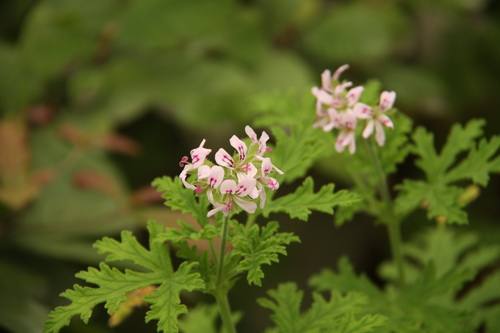
Mosquito-repellent geranium is the most suitable plant to grow for repelling mosquitoes in summer
When the hot summer arrives, the mosquitoes that disappeared in winter take the opportunity to come out and breed rampantly. Repelling them by hand is unrealistic, and using too many chemical products risks side effects. Is there a product that can both repel mosquitoes and be harmless to the body? Mosquito-repellent geranium can satisfy your wish. This type of mosquito-repellent geranium generally refers specifically to the lemon-scented variety
-
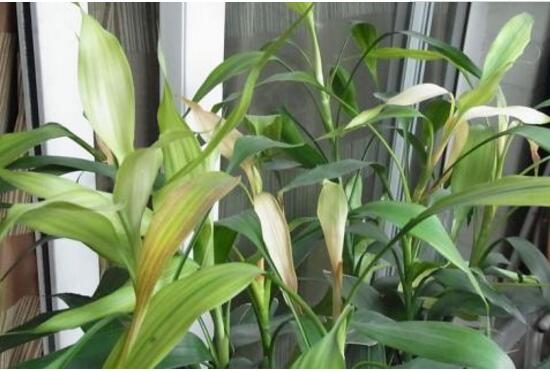
What to do when the leaves of a potted lucky bamboo turn yellow? It is mostly caused by a lack of sunlight
1. Reasons for yellowing leaves of lucky bamboo: it cannot be exposed to strong sun. There are many reasons for lucky bamboo leaves turning yellow, for example: too much watering can cause the leaves to turn yellow, and too little water can also cause the leaves to turn yellow. Lucky bamboo cannot be in direct sunlight for a long time, otherwise the leaves will also turn yellow; of course, a lack of sunlight is no good either
条件筛选