-
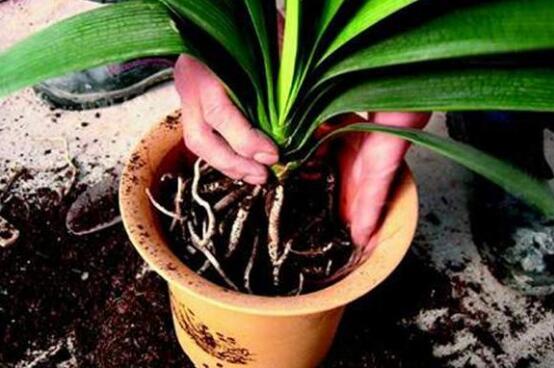
How to propagate Clivia miniata? Division blooms in 3 years, sowing blooms in 5 years
Clivia miniata is 60% beautiful in its leaves and 40% beautiful in its flowers. It is an extremely ornamental indoor plant that is deeply loved by flower enthusiasts. In daily life, many flower enthusiasts know how to care for Clivia miniata but do not know how it is propagated, which actually takes away a lot of the fun of growing flowers. Buying plants is not as good as propagating them yourself
-

How to grow Centipeda minima? Detailed explanation of key planting techniques
Planting techniques for Centipeda minima
-
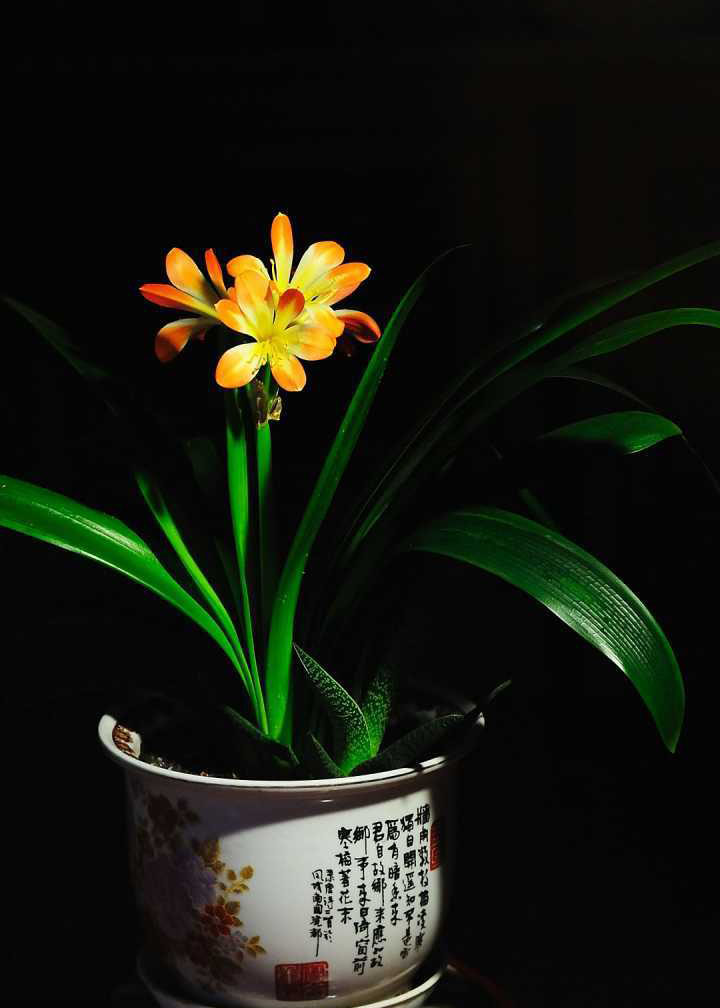
What are the care tips for Clivia miniata (kafir lily) in the hot season?
The suitable temperature for Clivia miniata is 20~25°C. When the temperature exceeds 30°C, it enters a dormant state. This is the most difficult period to care for Clivia miniata; improper care can easily lead to yellowing and wilting leaves, rotten stems and rotten roots. To help Clivia miniata get safely through the hot summer, the following measures are needed: 1. Shade and cool down
-
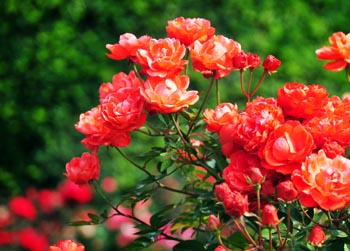
How to grow miniature roses? Growing methods and points to note
Propagation is mostly done by cuttings, though division and layering can also be used. Cuttings can be taken in all four seasons, but hardwood cuttings in winter or autumn are preferable; for softwood cuttings in summer, pay attention to water management and temperature control. Otherwise rooting is difficult. Winter cuttings are generally taken in a greenhouse or polytunnel
-
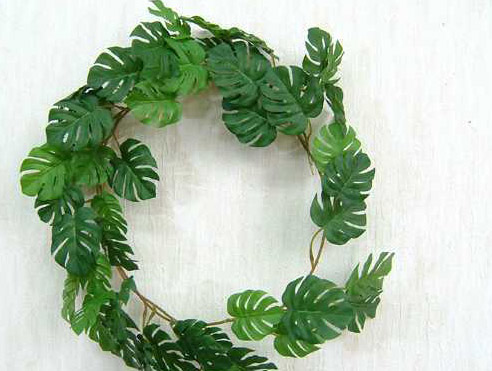
What are the cultivation methods for mini monstera?
Growing mini monstera in pots is relatively simple. During the growing season, place it in a spot with bright, indirect light indoors; in winter, place it near a south-facing windowsill so it gets more sunlight, which makes it grow more robustly. The optimum growing temperature is 20-30°C, and the air humidity should preferably be kept at 60%-80%. The winter room temperature needs to be kept above 12°C
-

What is the difference between mini monstera and monstera
Mini monstera is also known as window-leaf monstera and oblique-leaf monstera. It belongs to the same genus as monstera. The mini monstera plant is short and small, and its perforations do not run through between the pinnate lobes like those of monstera; instead, they run through the long oval leaves along the midrib, and the leaves are not divided
-

Correct method for eye-drop and nose-drop administration in chickens
Eye drop: For young chicks, gently hold the chicken with the left hand so it does not move around, take the eye-drop bottle in the right hand, and gently place one drop into each eye, left and right. Wait until the chicken completes one blink and the solution is fully absorbed into the eye before letting go. Otherwise, if you release too early, the solution stays only on the surface of the eyeball and does not enter the eye, and the chicken will easily shake its head and fling the solution out, failing to achieve the purpose of immunization. When immunizing adult chickens, simply open the cage door and hold the chicken by the neck. (Only the head and neck of the chicken are outside the cage; the body is inside the cage.) The eye-drop method is the same as for young chicks. Nose drop: Nose drop is also a method of immunizing chickens
-
Methods for determining drug dosage in soft-shelled turtle (Pelodiscus sinensis) farming
1. Determination of dosage for external-use drugs (1) Determine the drug concentration to be used (ppm) based on the safe concentration of a certain drug for soft-shelled turtles and the lethal concentration of the drug against pathogens. (2) Accurately measure the volume of the turtle pond or determine the volume of water for immersion bathing. Calculation method for water volume: water volume (m^3) = area (m^2) x average water depth (m). (3) Calculate the drug dosage: dosage (g) = concentration of the drug to be used (ppm, i.e., g/m^3) x water volume (m^3). 2. Internal
-
How should medication be administered appropriately when a pregnant sow falls ill?
The harm caused to pregnant sows by certain clinical drugs such as tetracycline, streptomycin, chloramphenicol, aspirin, nitrofuran drugs and antiallergic drugs is due to the use of intravenous injection when administering the medication, so that the drug reaches the fetus directly without passing through the liver. If changed to oral administration, it is relatively safe and effective. Therefore, when a pregnant sow falls ill, it is best to immediately ask a veterinarian to diagnose and prescribe medication.
-
Introduction to the Characteristics of Colorful Mini Eggplant Varieties
Colorful mini eggplant, also known as gold-and-silver fruit, gold-and-silver eggplant, color-changing eggplant, colorful eggplant, pellet eggplant, cherry eggplant, pocket eggplant, mini small eggplant, etc., belongs to the Solanaceae family, Solanum genus, a perennial shrub-like herbaceous plant. It combines edible and ornamental value in one and is a rare advantageous variety of specialty vegetable today. We have incorporated various aspects of modern science and technology into it. Not only is it delicious and rich in nutritional and health benefits, but its young fruit is as white as silver with a smooth surface, as exquisite and lovely as a sparrow's egg; when the fruit is approaching maturity, the skin appears to have a natural wax
条件筛选