-
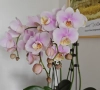
Reasons and Methods for Air-Drying the Roots of Phalaenopsis (Moth Orchids)
The thick, fleshy aerial roots of Phalaenopsis are most vulnerable to waterlogging and pathogen infection. Air-drying the roots allows the wounds from pruning to dry quickly and form scabs, reducing the risk of black rot, while also regulating root moisture to suit care needs across different seasons. 1. Air-drying after pruning: 1. Root trimming: Use sterilized scissors to cut off brown, soft, rotten roots and hollow roots, keeping the healthy
-
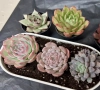
How to Propagate Succulents from Leaf Cuttings: Methods and Steps
Who else knows the joy of turning one plant into many! Today I'll walk you through how to propagate succulents from leaf cuttings, step by step, so even beginners can easily achieve "succulent freedom"! Leaf selection criteria: choose thick, plump leaves free of pests and diseases, and gently wiggle them left and right to remove them whole, keeping the growth point intact. Pitfalls to avoid: discard any leaves that are shriveled, turning to mush, or have black spots. Drying the leaves
-
What causes Phalaenopsis orchids to drop their buds, and what methods prevent bud drop when they have just been brought home?
Friends who grow Phalaenopsis orchids all know that the growing medium is very important to them. If, during care, the medium accidentally gets too much water, or too much fertilizer is applied, the soil's drainage will worsen, and its aeration will be affected as well. The final result, of course, is that the plant ages rapidly. This is because Phalaenopsis belongs to a type whose roots are especially sensitive.
-
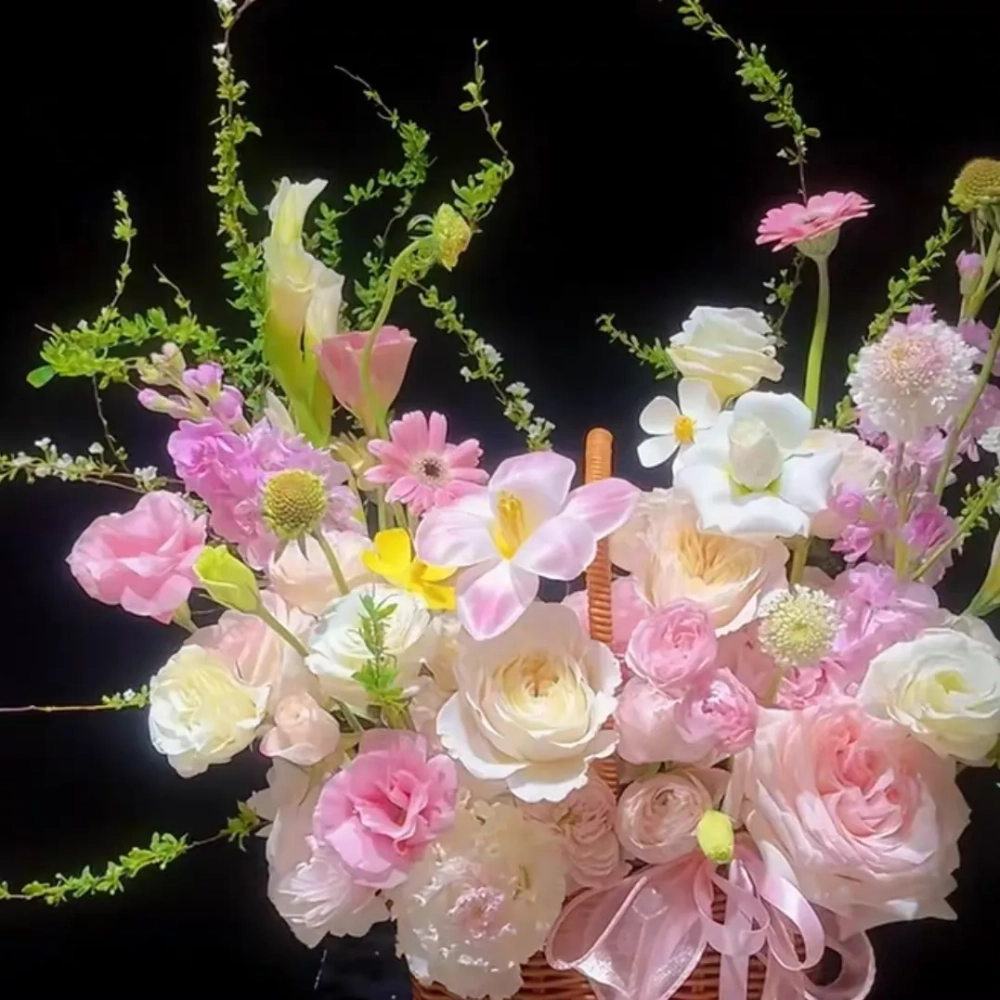
What is the principle of the root - scalding method?
When you buy fresh flowers and bring them home, do you often encounter the situation where they wilt the next day? Today, I'll teach you a super practical
-

How Do You Change the Sphagnum Moss for a Phalaenopsis Orchid? These Methods and Tips You Need to Master
Today I am going to share with you the method for repotting a Phalaenopsis orchid in sphagnum moss, so that even beginners can easily repot a Phalaenopsis orchid in sphagnum moss. 1. Removing from the pot and cleaning: Tap the edge of the pot lightly, insert a bamboo strip along the pot wall to loosen the potting medium, then slowly take out the plant. If the old sphagnum moss has become compacted, you can soak the roots in warm water for 5 minutes to soften it, then use tweezers to work along the roots.
-

The Principles of the Boiling-Water Stem Method and a Detailed Guide to Suitable Cut Flowers
When you buy fresh flowers and take them home, do you often find them wilting by the next day? Today I will teach you a super practical boiling-water stem preservation method. It is simple to do and can also extend the vase life. 1. Why do you need to scald the stems? When the temperature rises, fresh flowers dehydrate very easily, and the flower heads wilt and droop at the slightest provocation. 2. The principle of scalding the stems, put simply, is
-

Can a Phalaenopsis orchid with a flower spike be repotted? A detailed guide to repotting methods
For people who love flowers and plants, the Phalaenopsis orchid counts as a flower that combines beauty and symbolic meaning. After blooming, it has a unique butterfly shape, and because there are many varieties, its colors are also very vibrant. However, although it is the first choice for home decoration, during the care process quite a few flower lovers encounter a confusing
-

How Long After Pruning Does a Phalaenopsis Grow Flower Buds? A Detailed Guide to Care Methods
In the course of routine care, timely pruning is an important step in promoting healthy growth and reblooming in Phalaenopsis orchids. However, many orchid growers are often puzzled after completing a pruning operation about how long it will take for the Phalaenopsis to grow flower buds again, and they are also unsure how to care for it after pruning. The Phalaenopsis flower spike goes from formation to blooming through a dormant period, a growth period and a blooming period.
-

Reasons Why Phalaenopsis Does Not Grow After Pruning and the Correct Pruning Method
Many people find that after pruning their Phalaenopsis, the plant refuses to grow for a long time, and the expected new shoots and reblooming never appear. What exactly causes a Phalaenopsis to stop growing after pruning? And how should it be pruned correctly? Reasons why Phalaenopsis does not grow after pruning: Improper pruning timing: The growth and dormancy of Phalaenopsis follow a certain pattern. If pruned during its dormant period, the plant's physiological activity is low, its ability to heal wounds and sprout new shoots is weak, and growth stagnation easily occurs. For example, pruning in a low-temperature winter environment means the Phalaenopsis grows slowly and may show no new growth for a long time. In addition, right after the flowering period ends, the plant has consumed a large amount of nutrients; pruning immediately at this time without giving it time to recover its strength will also affect subsequent growth.
-
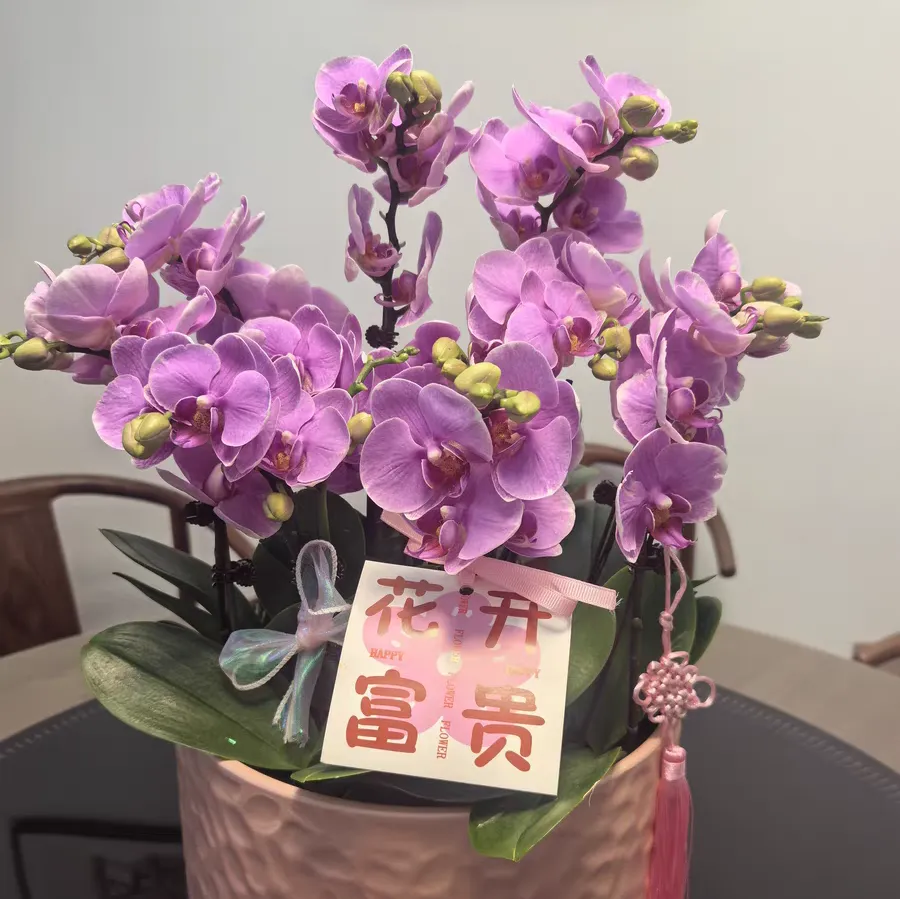
What are the methods for cultivating the roots of Phalaenopsis orchids?
When cultivating Phalaenopsis orchids, the key is to take good care of their roots. There are several practical methods, such as the inverted insertion method,
条件筛选