-
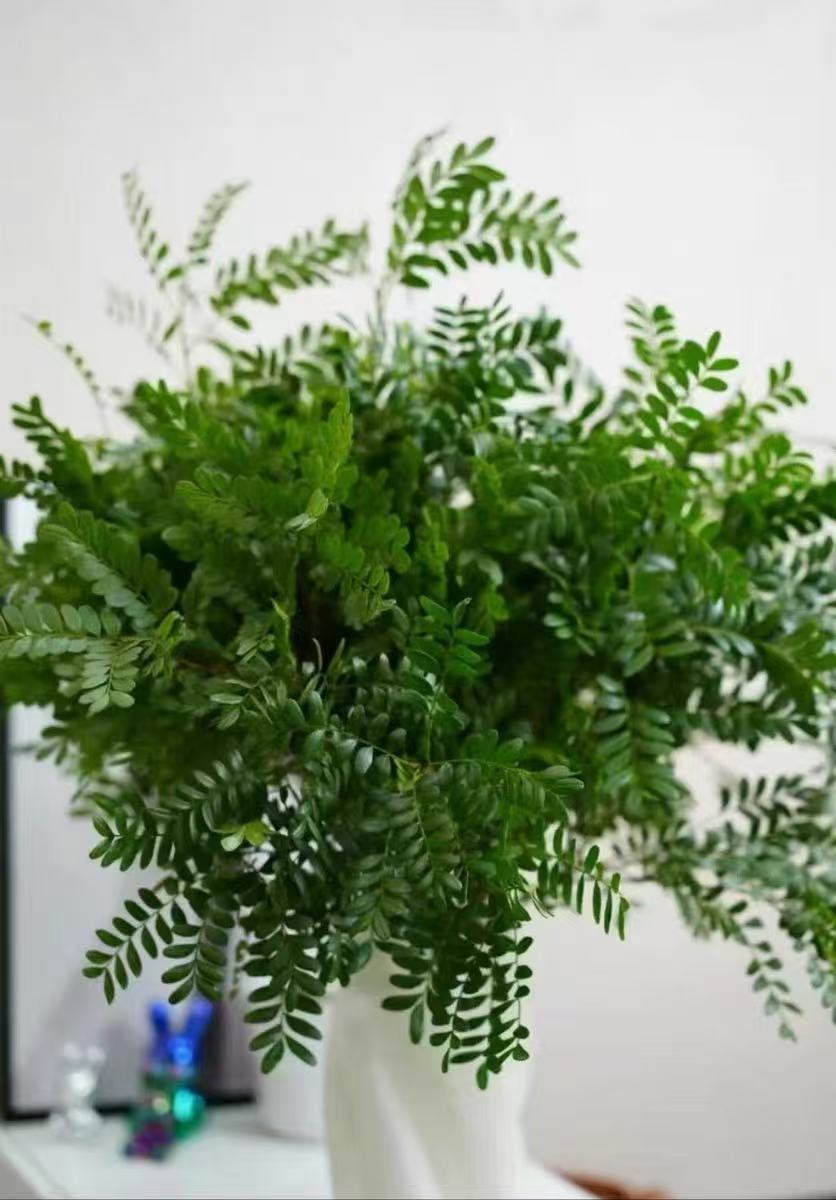
What is the cold tolerance of Pistacia weinmannifolia?
Pistacia weinmannifolia, as an evergreen shrub or small tree, is favored by many gardening enthusiasts for its unique ornamental value and fresh fragrance.
-

Is Qingxiangmu (Pistacia weinmannifolia) suitable for growing indoors? Learn about its benefits and effects
Is Qingxiangmu suitable for indoor care? From the perspective of its growing environment, Qingxiangmu prefers a warm location with plenty of light, but it also has a certain tolerance for shade. This means that indoors, as long as proper light and temperature conditions can be provided, Qingxiangmu can survive. However, it should be noted that the indoor environment
-
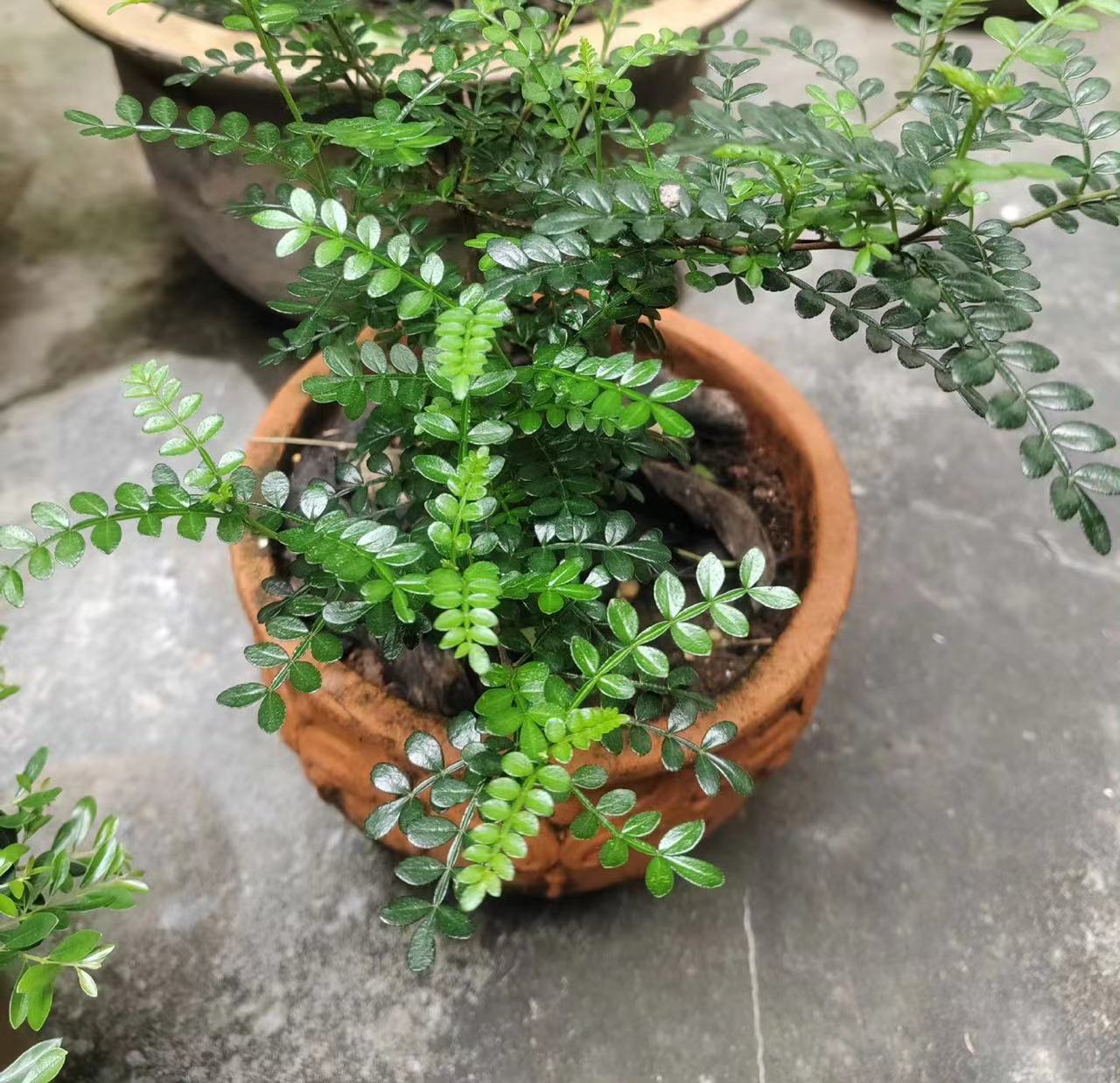
What are the effects and functions of Pistacia weinmannifolia?
Is Pistacia weinmannifolia suitable for indoor maintenance? From the perspective of the growth environment, Pistacia weinmannifolia likes a warm and well-lit
-
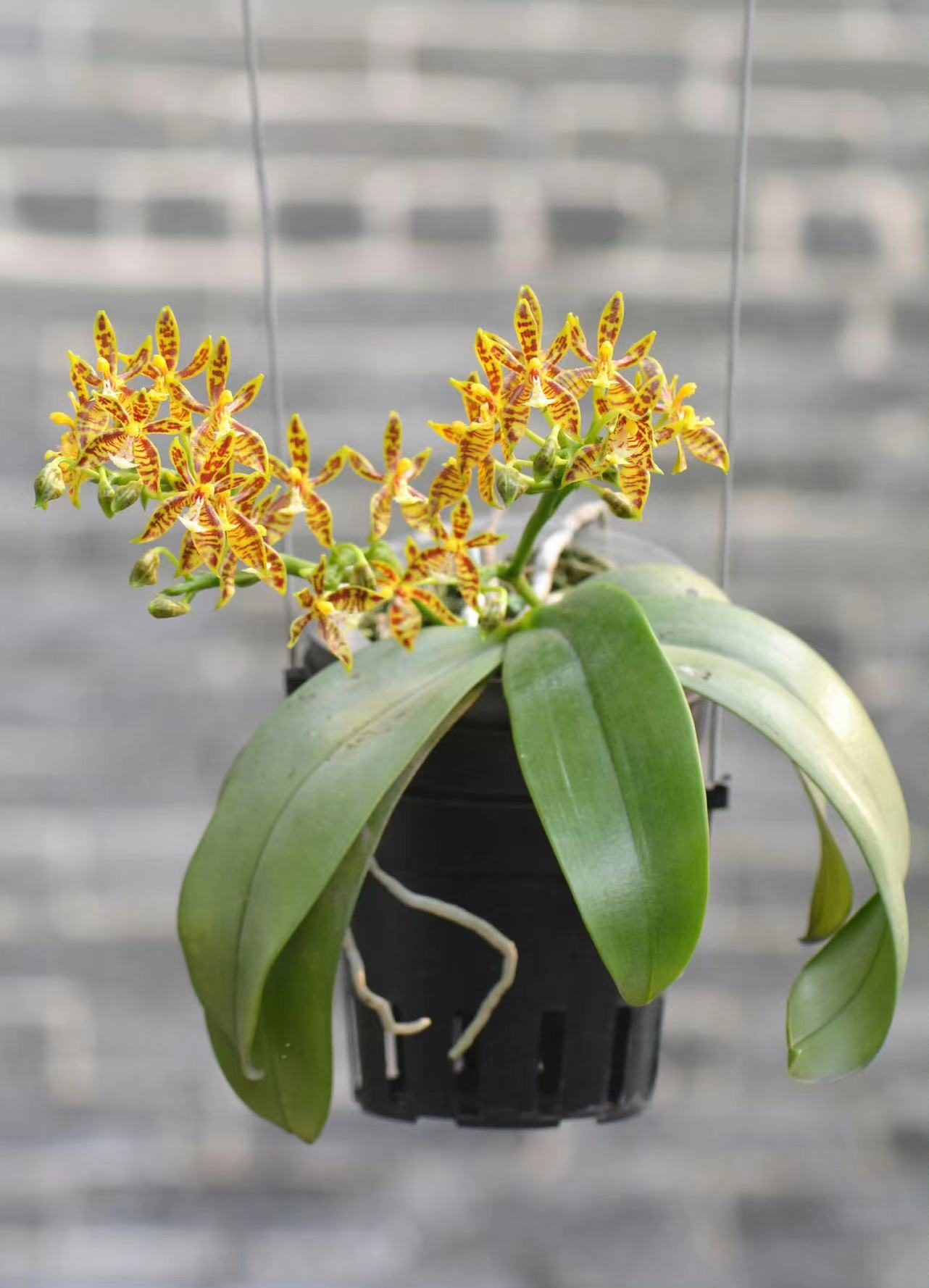
Is Phalaenopsis mannii a protected plant?
Phalaenopsis mannii, as one of the precious plant resources in China, has always attracted much attention. First of all, is Phalaenopsis mannii a protected
-
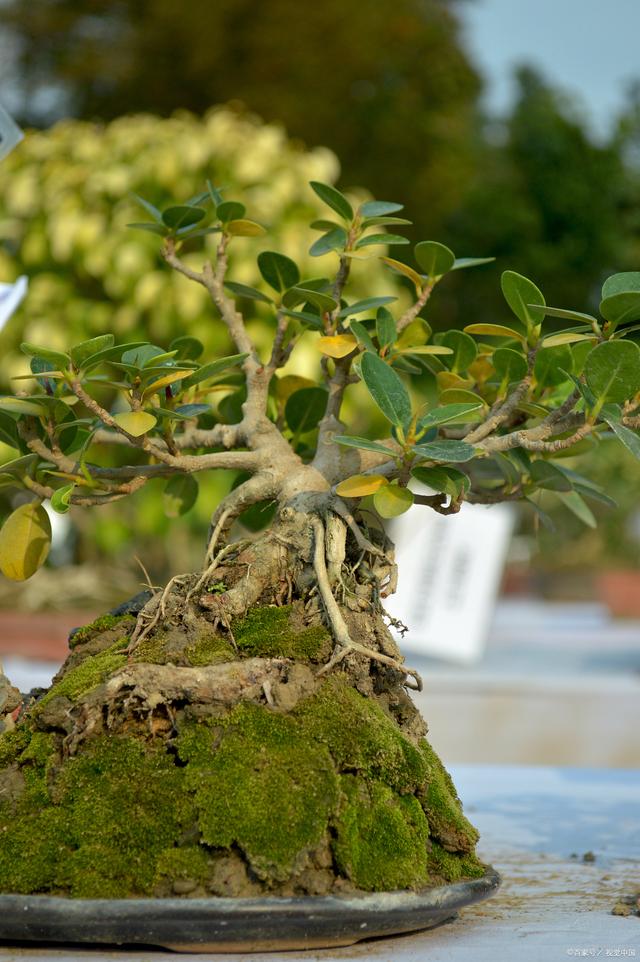
What should be noted when raising Pistacia weinmannifolia at home?
Pistacia weinmannifolia, scientifically known as Pistacia weinmannifolia, is a shrub or small tree belonging to the Pistacia genus of the Anacardiaceae family.
-

What are the methods for selecting and raising Rehmannia seeds?
Rehmannia, also known as Dihuang (Rehmannia glutinosa), is a Chinese herbal medicine with the effects of clearing heat, cooling the blood, nourishing yin and promoting fluid production, and it has many benefits for the human body. So how should Rehmannia seeds generally be selected? What are the seedling-raising methods? Friends who are thinking of growing Rehmannia can read the following to learn more! 1
-
How Big Can Hermann's Tortoises Grow? A Detailed Look at Adult Size
Generally, male Hermann's tortoises can grow to around 12-15 cm, while female Hermann's tortoises can grow to 15-20 cm. However, due to regional differences, some tortoises may grow larger and some may be smaller. For example, the eastern Hermann's tortoise can generally grow to 28 cm, while the western Hermann's tortoise rarely grows to
-
The Latest Rehmannia Planting Techniques and Methods Tutorial
Rehmannia, also known as Shengdi (raw rehmannia) and Shudi (prepared rehmannia), belongs to the Scrophulariaceae family, genus Rehmannia. Its rhizome is used medicinally and has effects such as strengthening the heart, diuresis, analgesia, lowering blood sugar, and protecting the liver. It can be cultivated throughout the country. The main techniques and key production measures for high-yield Rehmannia cultivation are as follows
-
The Latest Tutorial on Rehmannia Culture and Propagation Techniques
Rehmannia (Rehmannia glutinosa) is a perennial herb of the genus Rehmannia in the family Scrophulariaceae, and is one of China's traditional precious medicinal herbs. Because it contains rehmannin, cardiac glycosides, various organic acids and vitamins, sugars and other substances, it has the effects of strengthening the heart, promoting diuresis, lowering blood sugar and protecting the liver.
-
Latest overview of the origin and distribution of Rehmannia
Rehmannia is a perennial herbaceous plant of the genus Rehmannia in the Scrophulariaceae family. It grows on hillsides and in wasteland beside roads at altitudes of 50-1100 m. It is named Rehmannia because its underground tuberous roots are yellowish-white. Its root is one of the traditional Chinese medicines and was first recorded in the Shennong Bencao Jing. Below, let us
条件筛选